咖啡厅与小食档 收银系统

一款专为 咖啡馆与美食亭 打造的 收银系统。简化点餐管理,顺畅对接支付渠道,并可与自助点餐和会员方案无缝集成。

信任我们的餐饮企业

咖啡馆与外卖小食档不可或缺的收银系统功能

订单管理

通过 收银系统与厨房打印机或显示屏连接,实时准确地将订单信息传送到厨房。

即时菜单更新

可通过在线后台轻松自定义菜单项,适用于单店或多店管理。

库存管理

通过配方和库存管理追踪食材消耗及其他库存物品(如罐装饮料)。

厨房打印机/显示屏

新订单及订单更改即时更新,完成的订单可标记完成,避免沟通错误、食材浪费及漏单。

会员管理

内置会员忠诚度模块,激励顾客重复光临,提升回头客及销售额。

数码支付

保障咖啡馆收入安全,防止欺诈和账单错误,同时提供无缝的无现金支付体验。

时尚 POS 终端设计

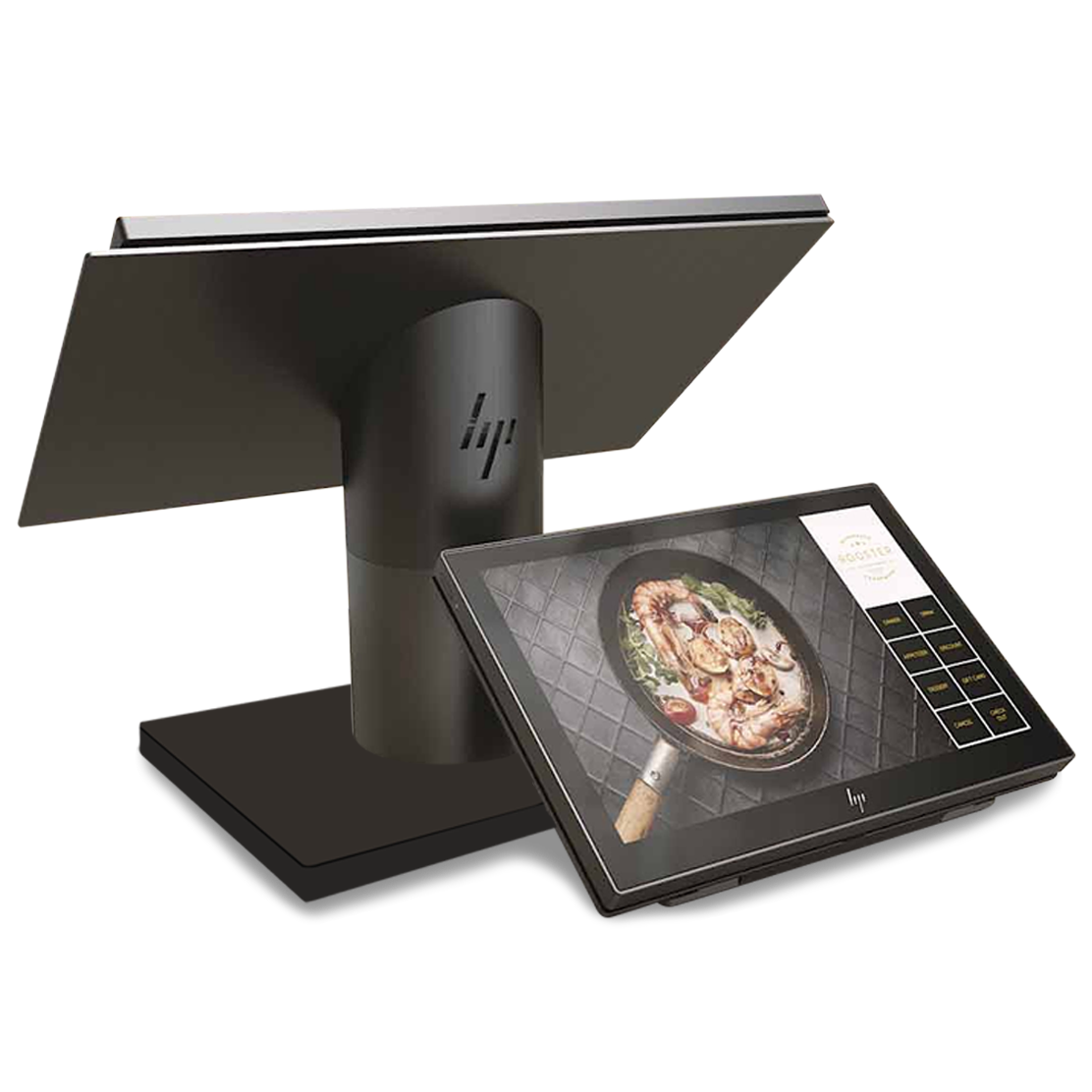
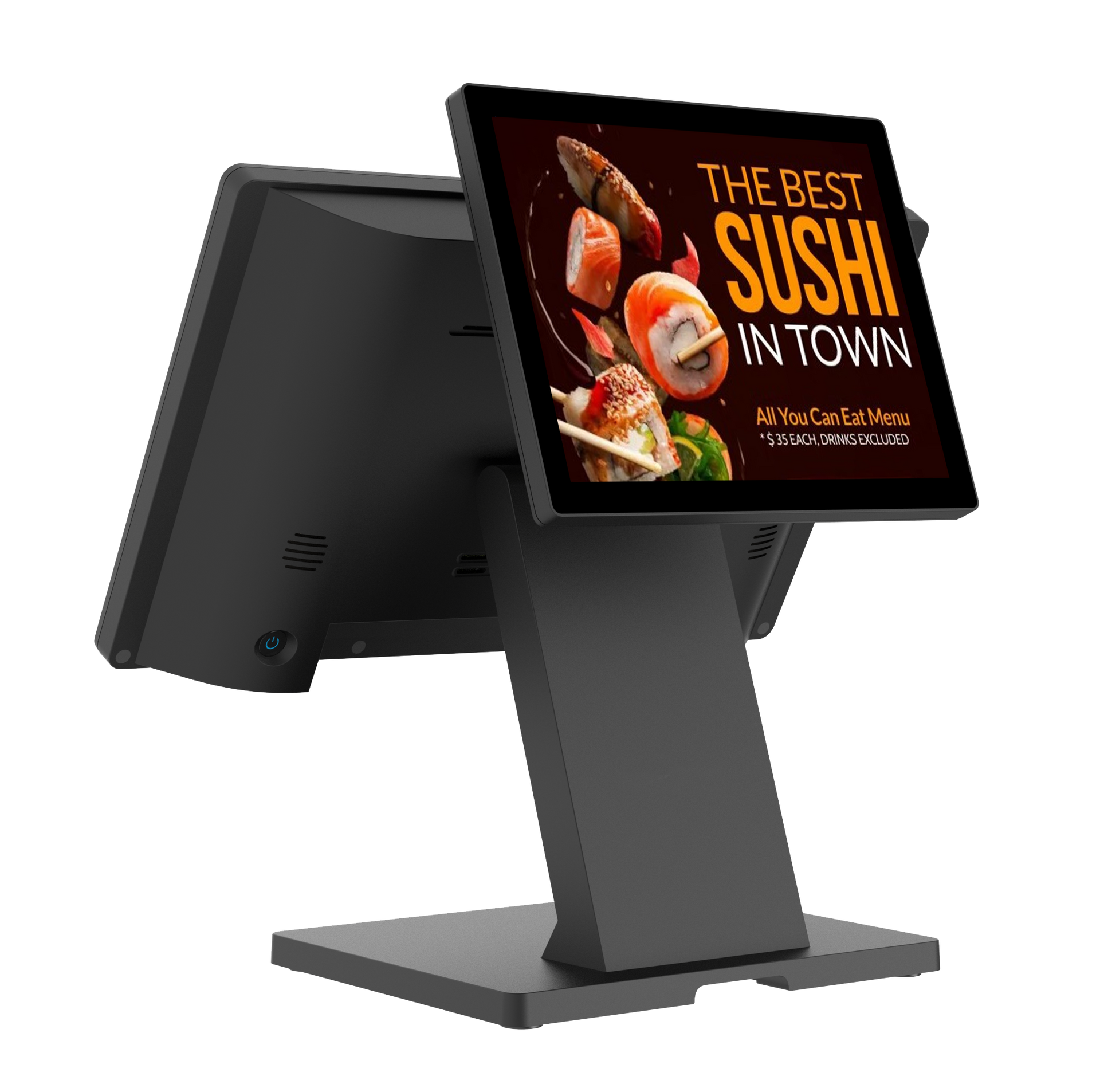
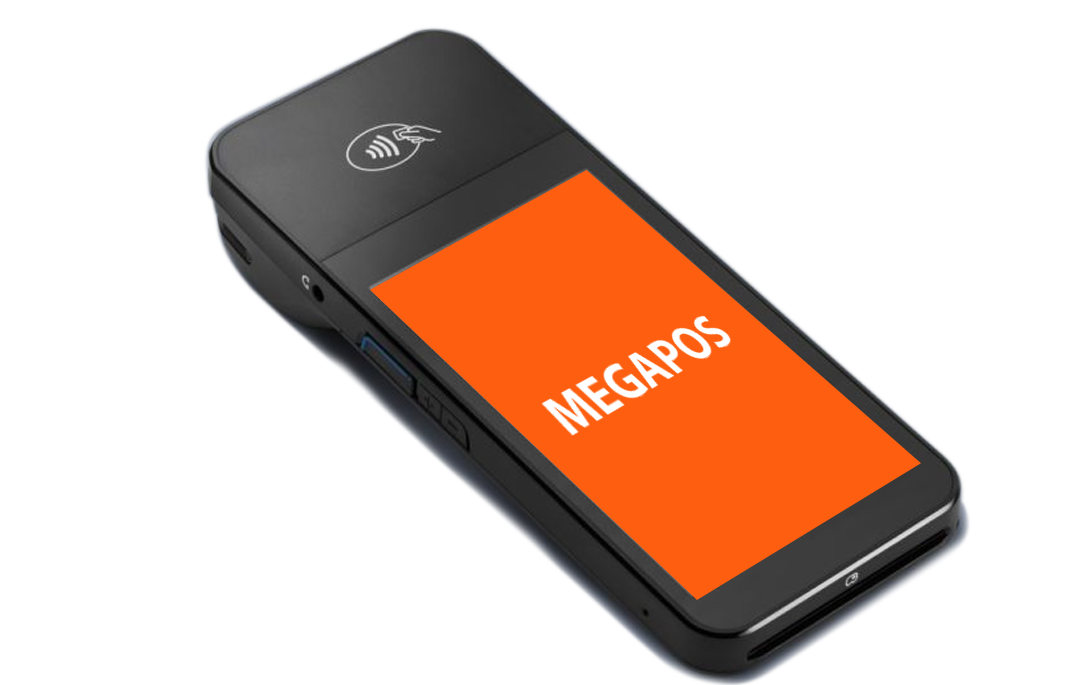
MEGAPOS 时尚精致的 收银系统终端可提升咖啡馆整体氛围,与装修自然融合。

员工考勤

通过 收银系统打卡功能轻松记录员工考勤和工时,简化工资核算。

实时在线报表与仪表板

通过 收银系统在线后台随时访问实时仪表板和经营报表,监控咖啡馆表现。

离线模式

网络中断也不会影响运营,收银系统 可自动切换至离线模式继续运行。

无缝整合

可与外卖平台、自助点餐、线上点餐及 会员管理方案系统连接,打造完整的餐饮业务解决方案。

咖啡馆与美食亭自助点餐解决方案

MEGAPOS 自研解决方案与您的咖啡馆及美食亭收银系统无缝集成。

MEGAPOS Self Ordering Kiosk Restaurants

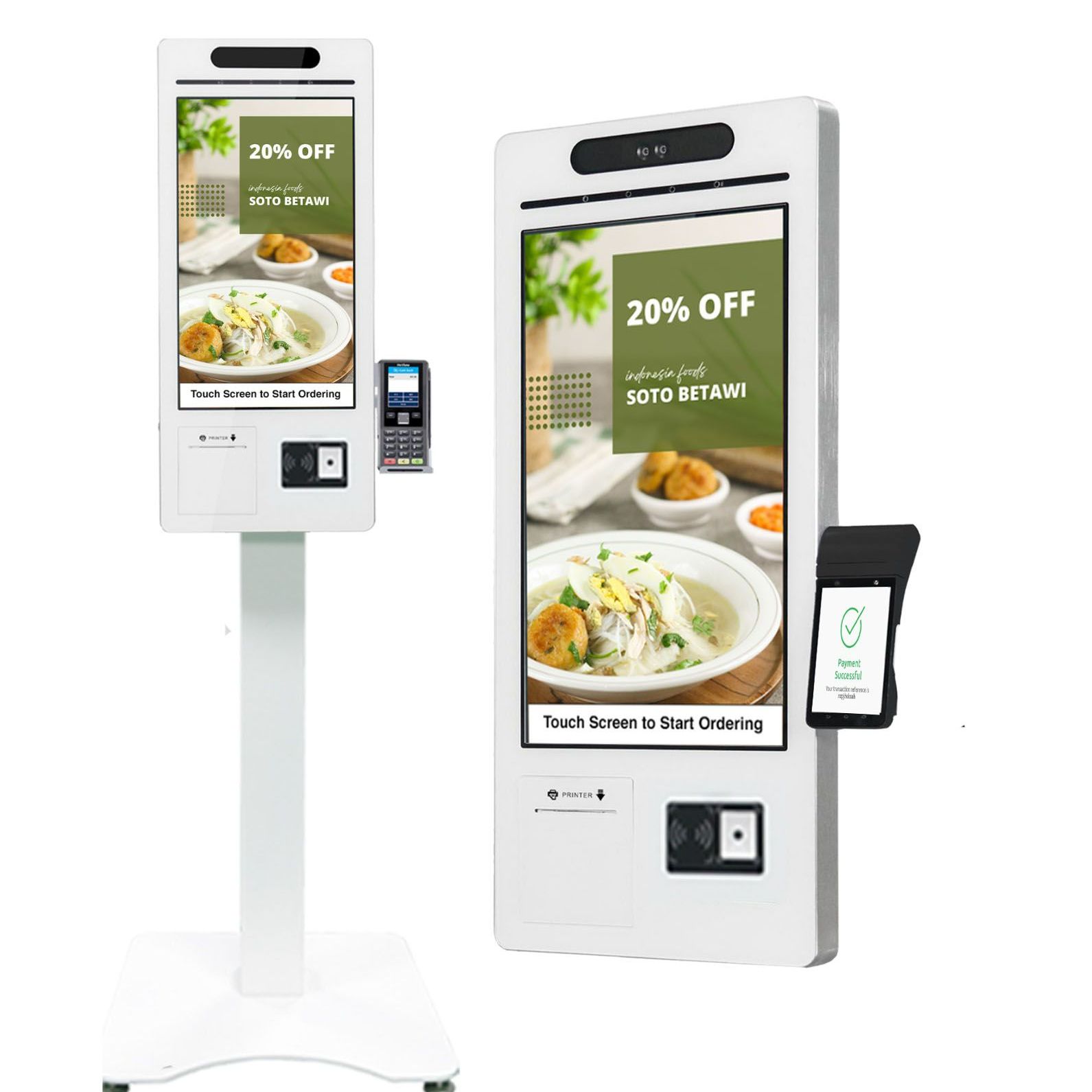
自助点餐机

减少对人工手动点餐的依赖,鼓励顾客自助点餐。

了解更多
MEGAPOS QR Ordering Restaurant

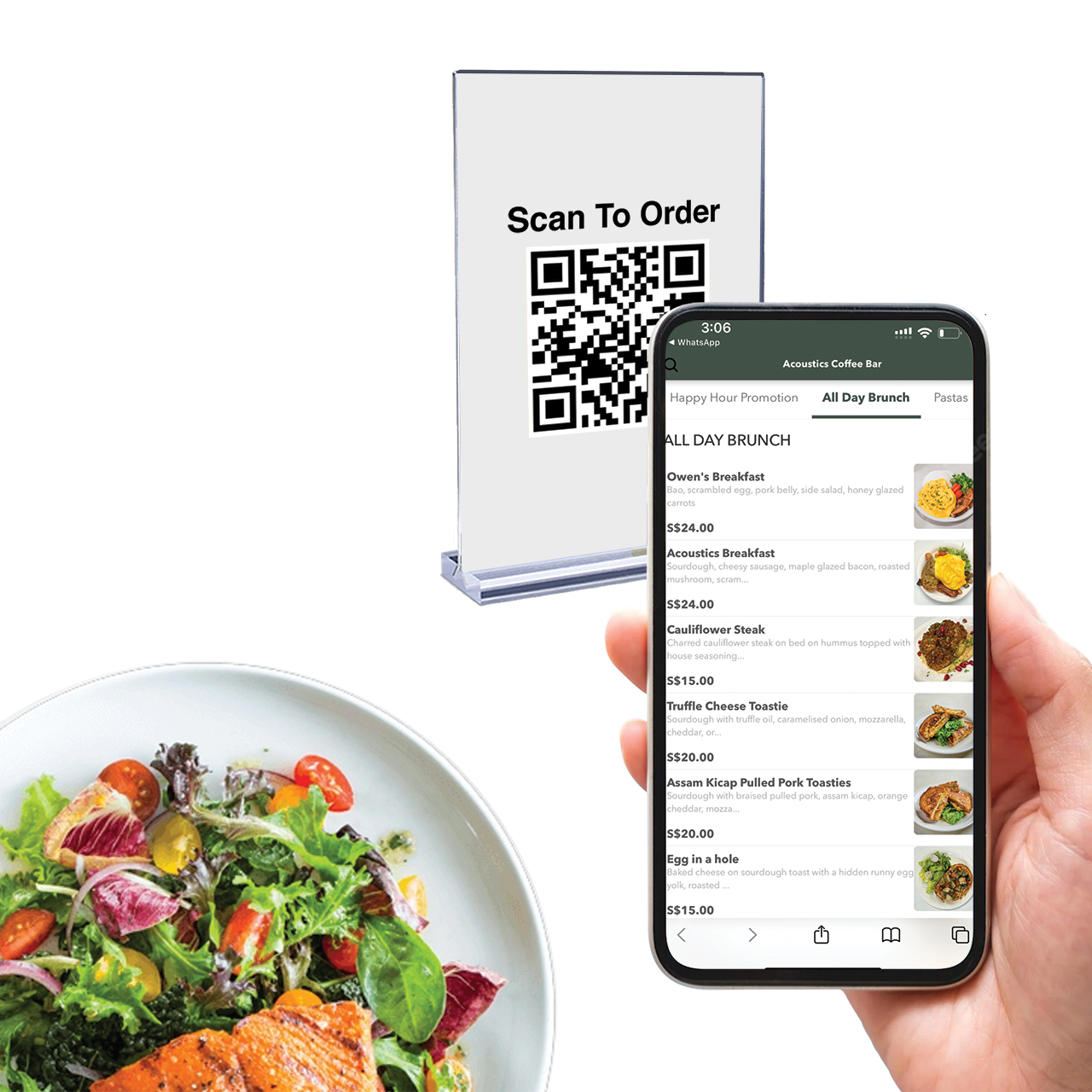
扫码点餐

顾客可扫描二维码,自行下单。

了解更多
MEGAPOS Hybrid Restaurant

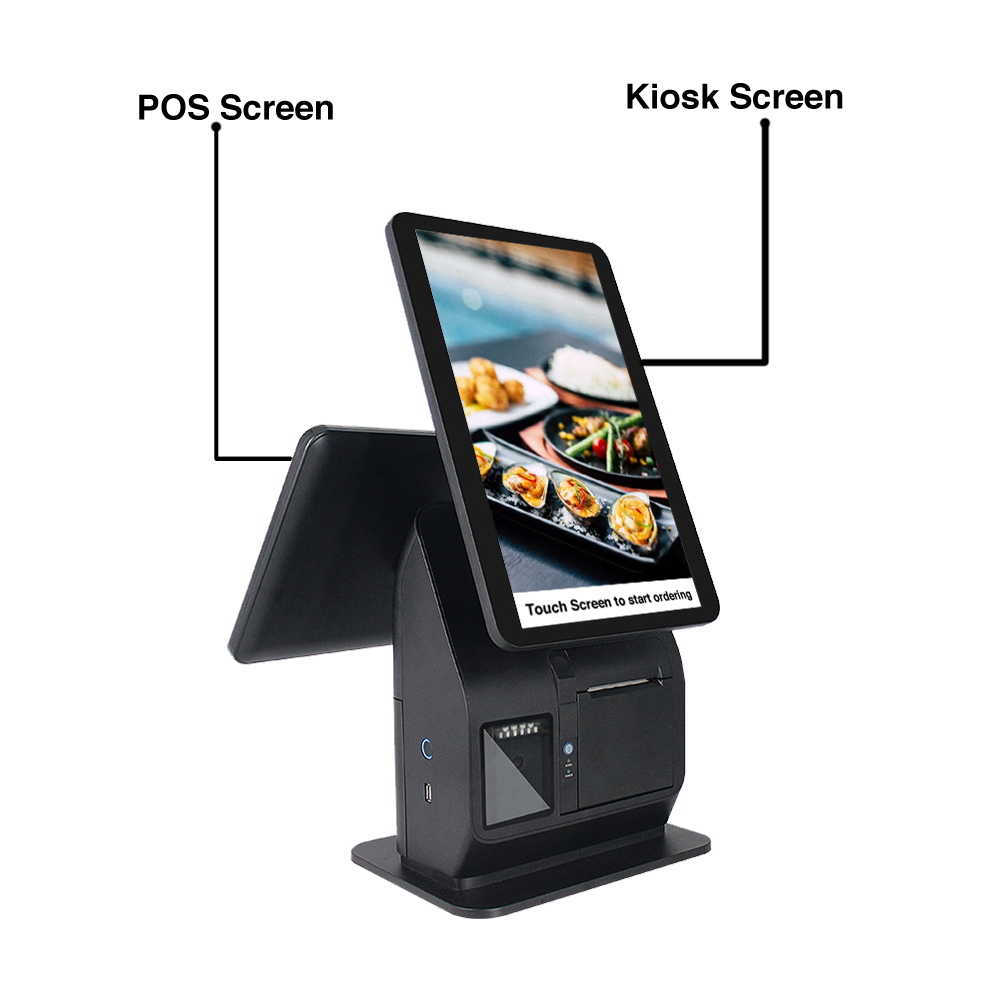
二合一 POS + 自助点餐机

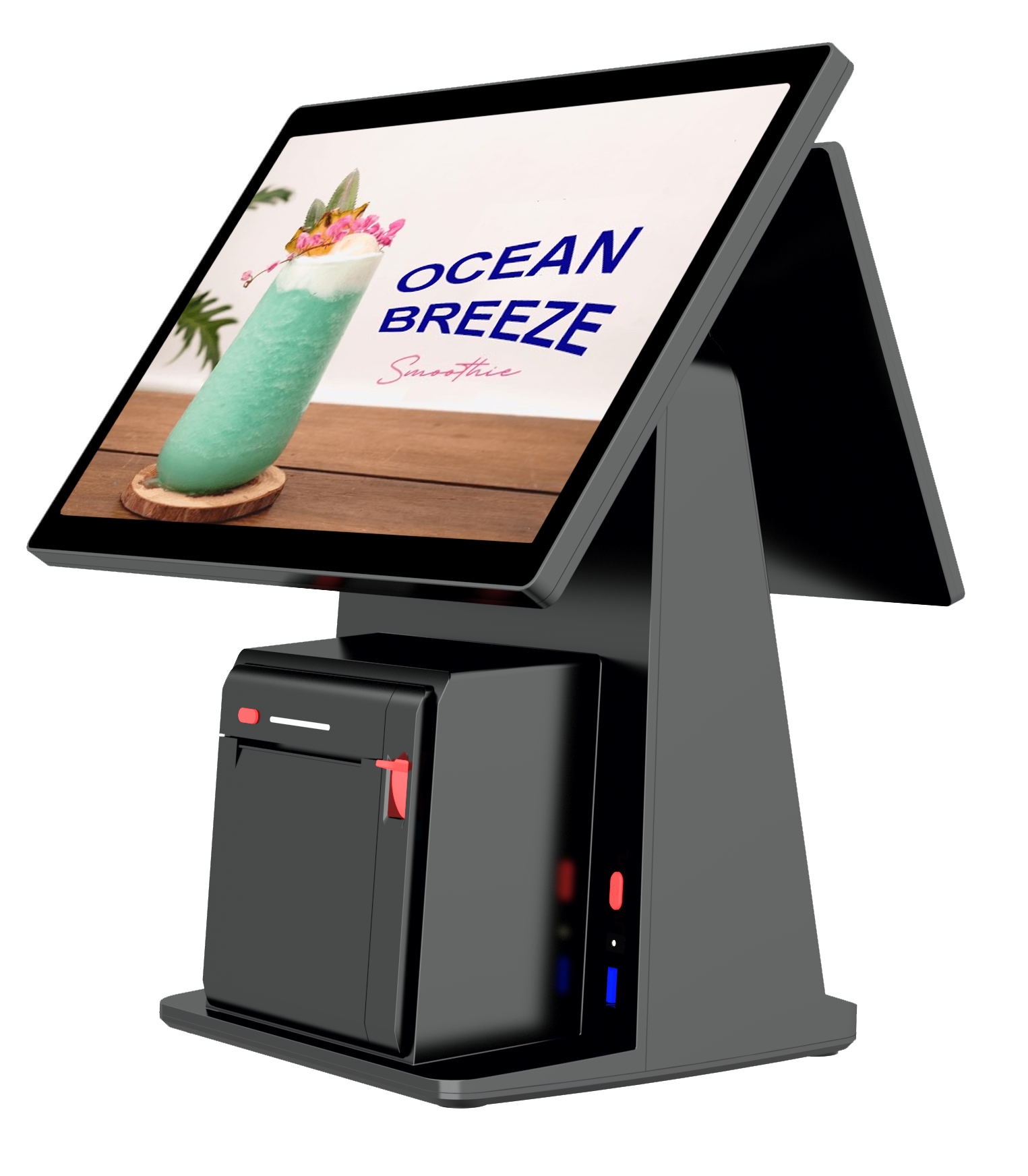
POS 系统与自助点餐机结合为一体,采用时尚双屏设计。

了解更多

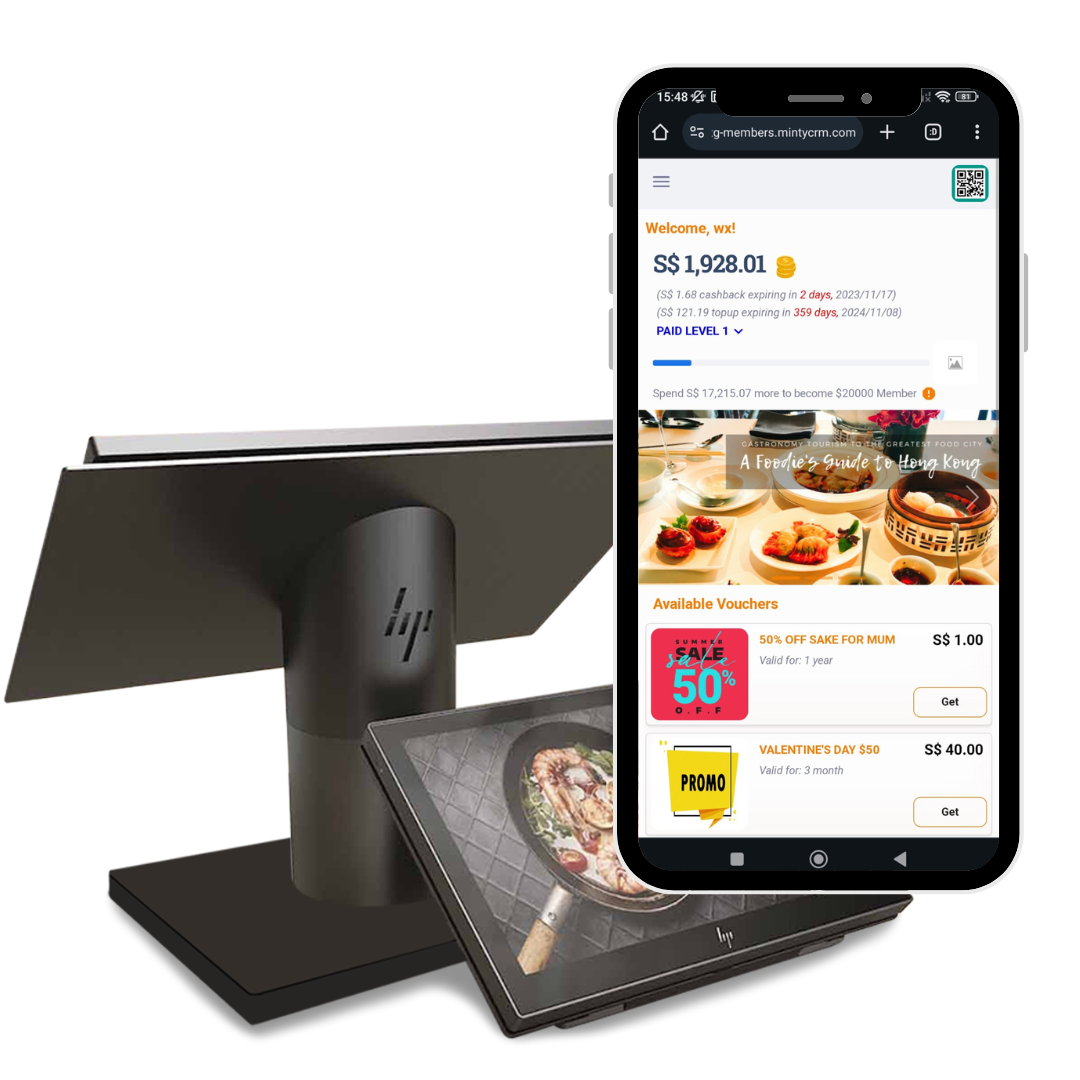
增强咖啡馆与外卖小食档会员粘性收银系统

  • 增强客户洞察

    收集并分析详细的客户数据,了解顾客偏好与行为,从而提供个性化服务和精准营销。

  • 简化运营

    同步咖啡馆及美食亭的 收银 系统与 会员管理系统,减少人工录入,降低错误率,提高整体运营效率。

  • 提升销售与客户忠诚度

    通过 CRM 数据制定精准的促销和会员计划,鼓励顾客重复光临,提升销售额。

  • 无纸化简化会员管理

    通过咖啡馆及美食亭 收银系统自动追踪和管理会员积分、奖励和兑换,让顾客和员工操作更轻松。

  • 集中数据管理

    通过在线后台或 收银 系统维护统一的客户与交易数据库,简化报表和分析流程。

  • 提升现金流

    允许顾客充值或预购套餐,让顾客享受更多优惠,同时为您的咖啡馆/美食亭增加额外现金流。

MEGAPOS 数码支付

几乎 0% PayNow 交易费率

准确且安全的支付

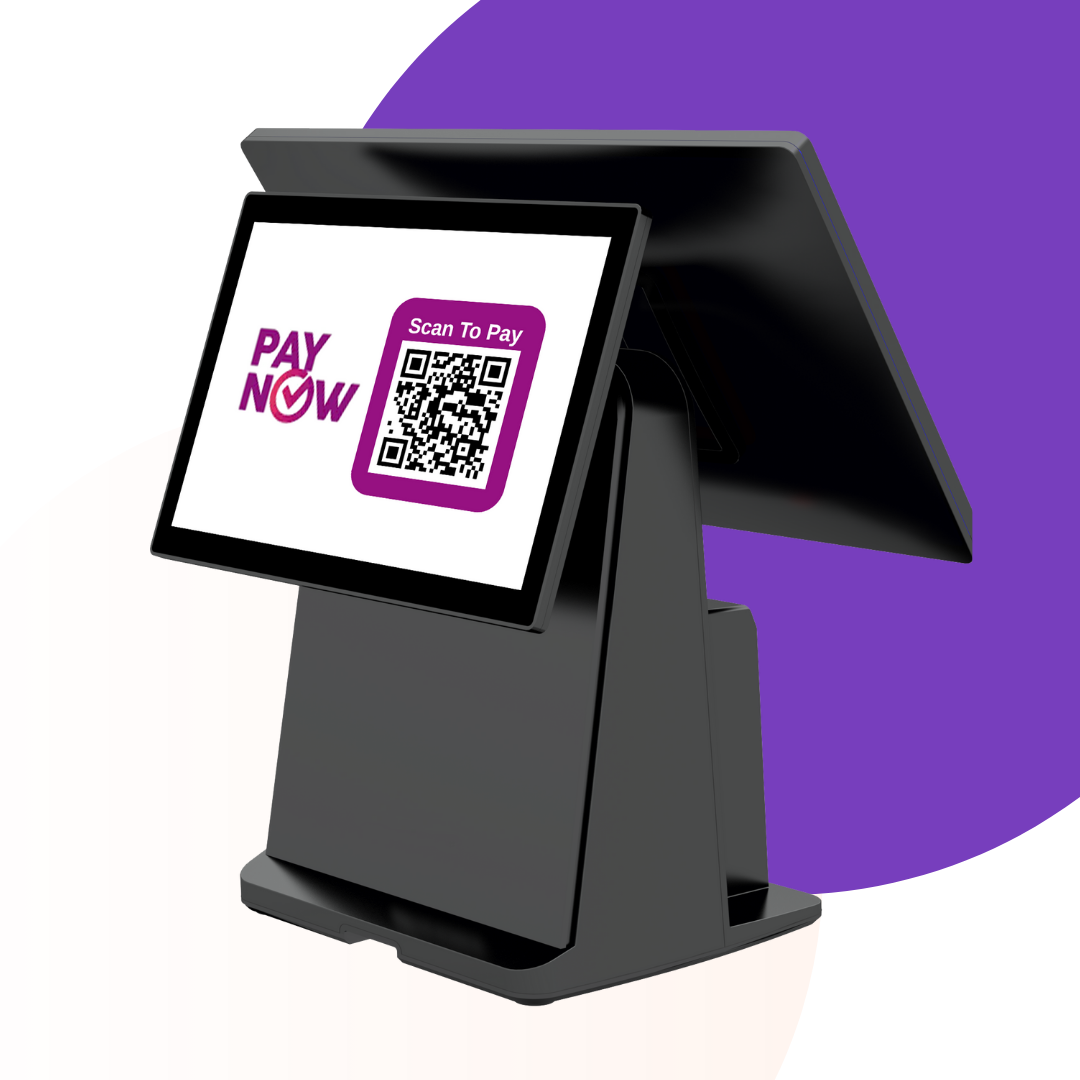
扫描 PayNow 二维码即可立即支付,无需手动输入。

节省大量交易费用

每笔 PayNow 交易都能节省更多费用,想想一年下来能节省多少交易费吧!

无需额外设备

可在 POS 终端、QR 点餐或自助点餐机上显示 PayNow 二维码。

与所有 MEGAPOS 解决方案链接

无需向多个支付供应商申请

低费率享受无现金支付

支持多种支付方式

想了解 MEGAPOS 咖啡馆 POS 系统吗?

联系我们

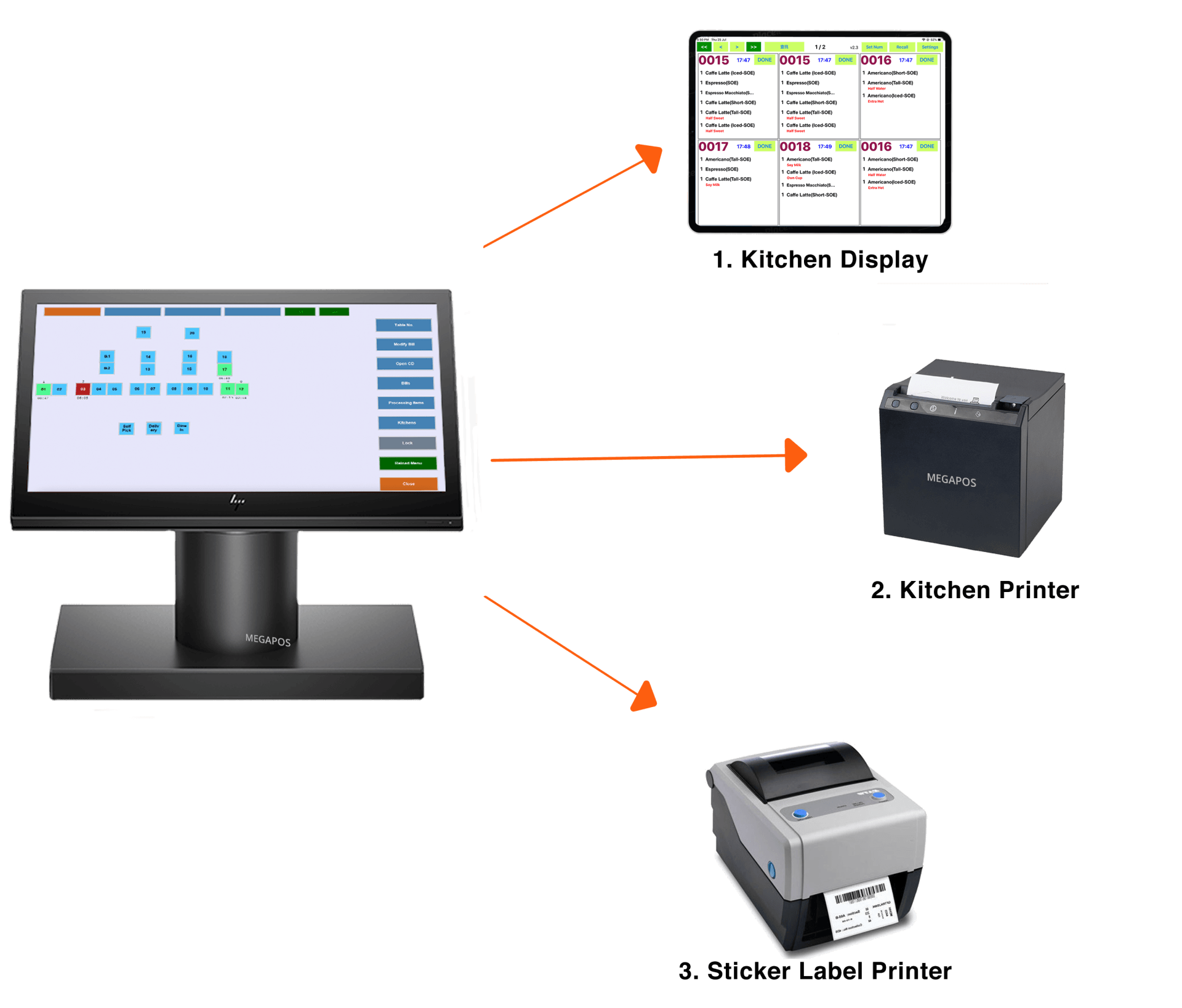
咖啡馆与外卖小食档订单管理解决方案

厨房显示

订单会在平板上系统化显示,订单变动可即时更新。完成的订单可标记完成,避免混乱。

厨房打印

MEGAPOS 咖啡馆 收银系统会将订单逐项列出,并发送到对应厨房区域的打印机。

贴纸标签打印

MEGAPOS 咖啡馆 收银系统会将订单逐项列出,并发送到对应厨房区域的打印机

restaurant POS system integrated kitchen tech

餐饮客户对我们收银系统及解决方案的评价

Swee Choon Tim Sum

Our business have been with MEGAPOS for 10 years now, in fact they pioneered the use of a POS system in our restaurant. Our business have grown leaps and bounds with them, and their constant advancement in technologies such as the recent introduction of QR code mobile ordering in our restaurant has helped us significantly. Will highly recommend MEGAPOS to any restaurant looking for a POS system!

Fulin Bar

"Very happy with the POS system. We had Bryan to assist with all the set up from the beginning. Very helpful guy. MEGAPOS is one of the best and very easy to use POS system for F&B operations. I would reccomend this POS system to anyone starting an F&B business."

您正在为您的咖啡馆咖啡厅或小食档位于新加坡寻找收银系统吗?

联系我们

MEGAPOS 地址:

160 Robinson Road 

SBF Center #26-02

Singapore 068914


电话:

(+65) 6224 5788

Contact Us

餐饮业博客

餐饮 收银系统、自助点餐解决方案及会员管理,餐饮经营技巧与客户成功案例分享

February 2, 2026
In 2026, food delivery remains a major revenue channel for restaurants in Singapore. Platforms like GrabFood and Foodpanda have become deeply embedded in consumer habits, and many F&B businesses depend on them for daily sales volume. But with rising manpower costs, rental pressures, and tighter profit margins, a crucial question is emerging:  Is relying heavily on delivery platforms still sustainable for Singapore F&B businesses? The answer is more complex than it seems. The Rise of Delivery Platforms in Singapore Food delivery platforms saw explosive growth during the pandemic, when dine-in traffic collapsed and restaurants had to pivot quickly. Even after restrictions were lifted, consumer behaviour did not fully revert. Singapore diners became accustomed to browsing menus online, comparing prices instantly, and enjoying meals delivered to their homes or offices. For many restaurants and cafés, delivery now contributes between 20% and 50% of total revenue. From a top-line perspective, this appears positive. More channels mean more visibility and more orders. However, revenue growth does not always equal sustainable profit. The Hidden Cost of Delivery Commissions One of the biggest challenges facing F&B operators in Singapore is platform commission fees, which typically range from 20% to 35% per order. When food cost already consumes 30% to 35% of revenue, and rental plus manpower account for another large portion, the remaining margin can become razor thin. If an average order is $25 and the commission is 25%, that’s $6.25 deducted immediately. Multiply that across hundreds or thousands of orders per month, and the numbers become significant. Over time, these fees can easily amount to tens of thousands of dollars annually effectively becoming a recurring operational tax. The uncomfortable reality is that some businesses are increasing revenue while simultaneously compressing profit margins. Discount Culture and the Race to the Bottom Another sustainability concern is the heavy reliance on platform promotions. Delivery apps frequently encourage flash deals, 20–30% discounts, and voucher stacking. While these campaigns drive traffic in the short term, they also condition customers to order only when discounts are available. Over time, this shifts customer loyalty away from the restaurant and toward whichever outlet offers the biggest discount that day. Instead of building brand preference, businesses become part of a price comparison ecosystem. In such an environment, differentiation becomes difficult, and profitability becomes fragile. The Ownership Problem: Who Really Owns Your Customers? Perhaps the most overlooked issue is customer ownership. When orders are placed through delivery platforms, the platform controls the customer relationship. Restaurants receive the transaction but do not fully own the customer data or communication channel. This means restaurants often have to pay commission repeatedly to reacquire the same customer. Without direct engagement tools such as membership programmes or CRM systems, long-term retention becomes dependent on platform algorithms rather than brand loyalty. In a competitive Singapore F&B market, that lack of control can be risky. A Smarter Strategy: Use Platforms for Acquisition, Build Your Own Channel for Retention The most forward-thinking F&B businesses in Singapore are not abandoning delivery platforms. Instead, they are repositioning them as customer acquisition tools rather than primary revenue engines. Delivery platforms help attract first-time customers. Once customers discover the brand, restaurants can encourage direct ordering through QR ordering systems, branded online stores, or self-pickup channels. By shifting even 20–30% of orders to direct channels, businesses can significantly improve margins. When paired with integrated POS and membership systems, direct ordering allows restaurants to track purchase behaviour, offer targeted promotions, and encourage repeat visits without paying high commission fees each time. This hybrid model reduces risk and increases long-term sustainability. Why Direct Ordering and Integrated Systems Matter Technology plays a key role in this transition. Modern F&B systems that integrate POS, QR ordering, online ordering, and membership solutions allow restaurants to centralise data and operate more efficiently. Instead of relying entirely on third-party ecosystems, businesses can build their own digital infrastructure. This provides greater control over pricing, promotions, and customer engagement, while still benefiting from platform visibility. In a cost-sensitive market like Singapore, control over margins and data is becoming a competitive advantage. The Bigger Question: Control vs Convenience Delivery platforms offer convenience, speed of setup, and built-in traffic. But convenience often comes at a cost. The question for F&B operators is not whether delivery should be used, but how much dependence is too much. Sustainability is no longer just about increasing order volume. It is about protecting profit margins, reducing external dependency, and strengthening customer retention. Restaurants that diversify their sales channels and invest in owned customer relationships are better positioned to navigate rising costs and shifting market conditions. Conclusion: Sustainable Growth Requires Balance Relying solely on delivery platforms may not be sustainable in the long term for Singapore F&B businesses. Commission fees, discount dependency, and lack of customer ownership create structural limitations that can weaken profitability over time. However, delivery platforms remain valuable when used strategically. The most resilient F&B brands combine platform exposure with direct ordering systems and loyalty programmes, allowing them to control margins while continuing to grow revenue. In today’s competitive landscape, sustainable F&B success depends not just on how much you sell but how much you keep. Interested to know more about online ordering solutions that can help you grow your memberbase, engage them, and boost repeat spends? Click here !
By Liang Wei Liaw January 30, 2026
This is a subtitle for your new post
By Liang Wei Liaw January 27, 2026
With rising wages, CPF contributions, levies, and manpower shortages, staffing has become one of the biggest cost pressures for F&B businesses in Singapore . Many operators are asking the same question: Is there a way to reduce manpower costs without sacrificing service quality? One solution that has gained rapid adoption is self-ordering kiosks , often paired with POS and QR ordering systems. The numbers show why. The True Cost of One Service Staff in Singapore Hiring just one service staff can cost an F&B business approximately: $2,340 per month $28,080 per year (Based on a $2,000 salary + 17% CPF contribution) This cost repeats every year and increases over time due to wage inflation and tighter labour regulations. Comparing Staff Cost vs Self-Ordering Technology When comparing manpower cost to technology adoption, the difference becomes clear. POS + QR Ordering Estimated Year 1 cost: ~$3,500 Year 1 savings: ~$24,500 Payback period: ~1.5 months Year 2 monthly cost: ~$100 Estimated monthly savings from Year 2: ~$2,240 Self-Ordering Kiosk Estimated cost: from ~$2,800 Year 1 savings: from ~$25,200 Payback period: 1.2–1.5 months Year 2 monthly cost: ~$150 Estimated monthly savings from Year 2: ~$2,190 POS + Self-Ordering Kiosk + QR Ordering Estimated Year 1 cost: ~$5,500 Year 1 savings: ~$22,500 Payback period: ~2.4 months Year 2 monthly cost: ~$180 Estimated monthly savings from Year 2: ~$2,160 In most cases, the system pays for itself within 1–2 months , after which the savings continue every single month. Why Self-Ordering Kiosks Save More Than Just Salary Costs The benefits go beyond replacing one staff member: Faster order taking during peak hours Reduced order errors , lowering rework and wastage Consistent upselling , increasing average order value Less dependency on manpower , especially during staff shortages Scalable operations without increasing headcount Instead of having staff tied up taking orders, teams can focus on food preparation, quality control, and customer experience . A Long-Term Investment That Pays Back Fast Unlike manpower costs that rise year after year, self-ordering systems are a one-time investment with minimal recurring costs . From Year 2 onwards, many F&B operators save over $2,000 per month , per outlet savings that go straight back into profit. Conclusion: Pays Back in Months, Saves for Years For F&B businesses facing rising manpower costs, self-ordering kiosks are no longer a “nice to have” — they are a strategic tool to stay profitable and competitive . With a payback period of just 1–2 months , self-ordering kiosks allow F&B operators to: Reduce manpower dependency Control operating costs Improve service speed Increase revenue through upselling Pays back in 1–2 months. Saves for years. Interested in finding out more about how self ordering can help you earn more and reduce costs? Click here to find out more!
By Liang Wei Liaw January 26, 2026
Located in Yishun , Hai Ge Ji ( 海哥记) Beef Noodles is a rising name in Singapore’s food scene. The concept is a collaboration between two local celebrities and the well-known Hwa Heng Beef Noodles , bringing together strong brand recognition and decades of beef noodle expertise. What makes Hai Ge Ji Beef Noodles stand out further is that it is Muslim-owned and Halal-certified , making its comforting beef noodles accessible to a wider audience. The stall has also garnered numerous positive reviews, with customers frequently praising the rich, flavourful broth and tender sliced beef that melts in the mouth . Designed for Efficiency in a High-Demand Environment To support smooth operations during busy periods, Hai Ge Ji (海哥记 )Beef Noodles uses a MEGAPOS wall-mounted self-ordering kiosk . This setup allows customers to place their own orders, reducing reliance on manpower while maintaining service speed and accuracy. The wall-mounted kiosk is designed with: A scrollable advertising screen to showcase the latest dishes and promotions A clear and intuitive user interface that guides customers through the ordering process Flexible order modification options Automatic upsell prompts before checkout , encouraging add-ons and upgrades These features work together to improve order accuracy, shorten queues, and create a more efficient ordering experience. Increasing Average Bill Size Through Smart Upselling Beyond manpower savings, the self-ordering kiosk also helps increase revenue. As customers browse the menu and customise their orders, the system intelligently suggests add-ons and upgrades. This has proven effective in increasing average bill size , as customers are more likely to explore options when ordering at their own pace. By combining self-ordering with automated upselling, Hai Ge Ji (海哥记 ) Beef Noodles is able to operate leaner while improving profit margins — without compromising on customer experience. A Modern Approach to Running an F&B Business Hai Ge Ji (海哥记) Beef Noodles demonstrates how traditional food concepts can benefit from modern F&B technology. By adopting self-ordering kiosks, the brand improves operational efficiency, reduces manpower dependency, and drives higher per-order value all while delivering the quality and taste customers expect. If you’re looking to increase profit margins, reduce manpower reliance, and streamline operations for your F&B business, MEGAPOS offers solutions designed to help you do just that. Contact MEGAPOS by clicking here to find out more.
Show more

咖啡馆/小食档 收银系统常见问题

  • 咖啡馆/美食亭 POS 系统是否能与叫号系统集成?

    Yes, MEGAPOS POS System is integrated with our LCD number calling system. It allows you to display high-resolution images of your choice to capture the attention of walk-in customers and also updates your customers on their order status by displaying their order numbers in the "preparing" or "ready" columns.

  • MEGAPOS 咖啡馆/美食亭 POS 系统能在收据上打印商标吗?

    Yes, provide us with your logo image and we will be able to set up logo printing on your receipt for you.

  • 咖啡馆/美食亭 POS 系统是否具备 CRM 功能?

    Yes, we do. Apart from just saving customer data into your POS system, you are able to configure member points collection and redemption system, or even configure different discount levels to be applied to different membership tiers.


    This will help you to boost your restaurant's customer retention rate. MEGAPOS also integrates with third-party CRM solutions to help you boost your customer retention.

  • 咖啡馆/美食亭 POS 系统有保修吗?

    Yes, we do provide a 3-year direct manufacturer warranty with HP for your HP POS system's hardware.


    As for MDoes cafe/food kiosk POS system have any warranty?EGAPOS restaurant POS software, first-year technical support is covered. 

  • 如果 HP 硬件出现问题,我该如何申请保修?

    如果您的 HP POS 系统仍在 3 年 HP 原厂保修期内,MEGAPOS 会协助您完成保修流程。

    在维修期间,我们也可以为您安排临时借用 POS 系统。

  • 如果遇到技术问题该怎么办?

    您可以拨打我们的支持热线,MEGAPOS 技术支持会提供线上和电话协助。

    如果无法通过线上或电话解决,我们将安排技术人员上门支持。