By Liang Wei Liaw
•
March 5, 2026
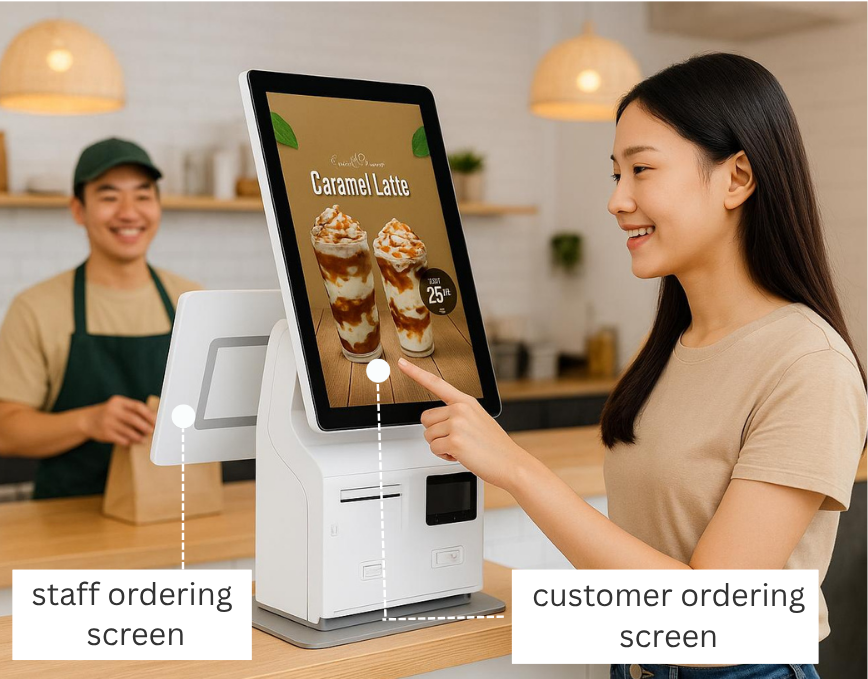
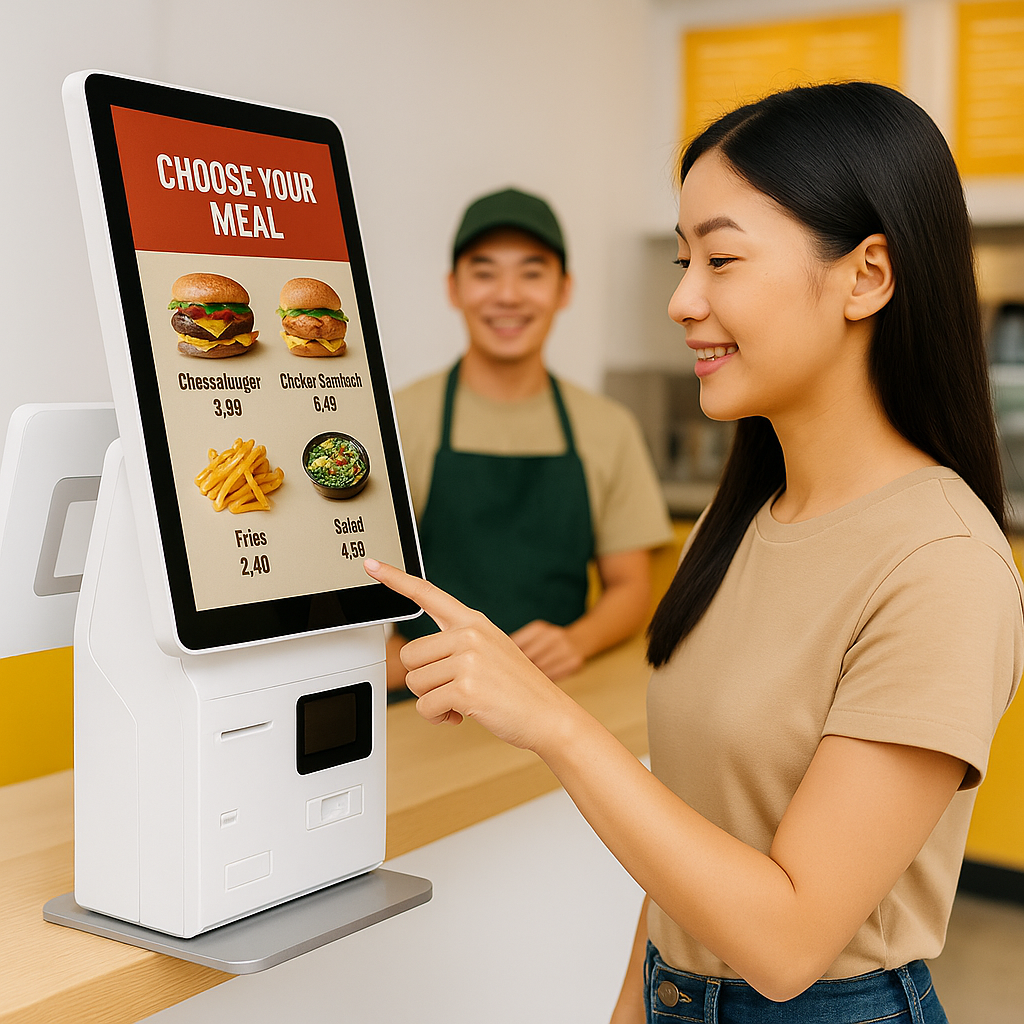
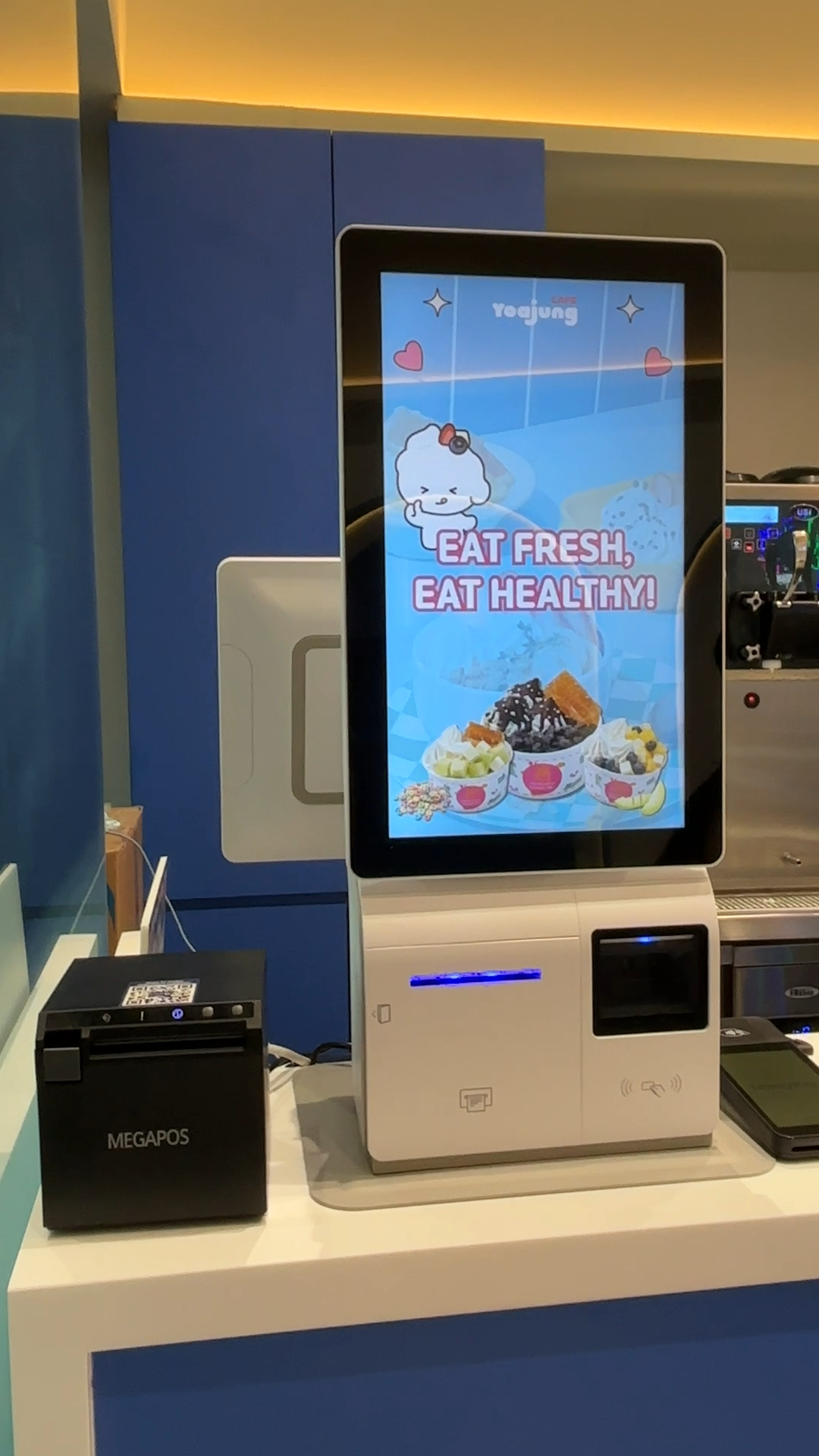
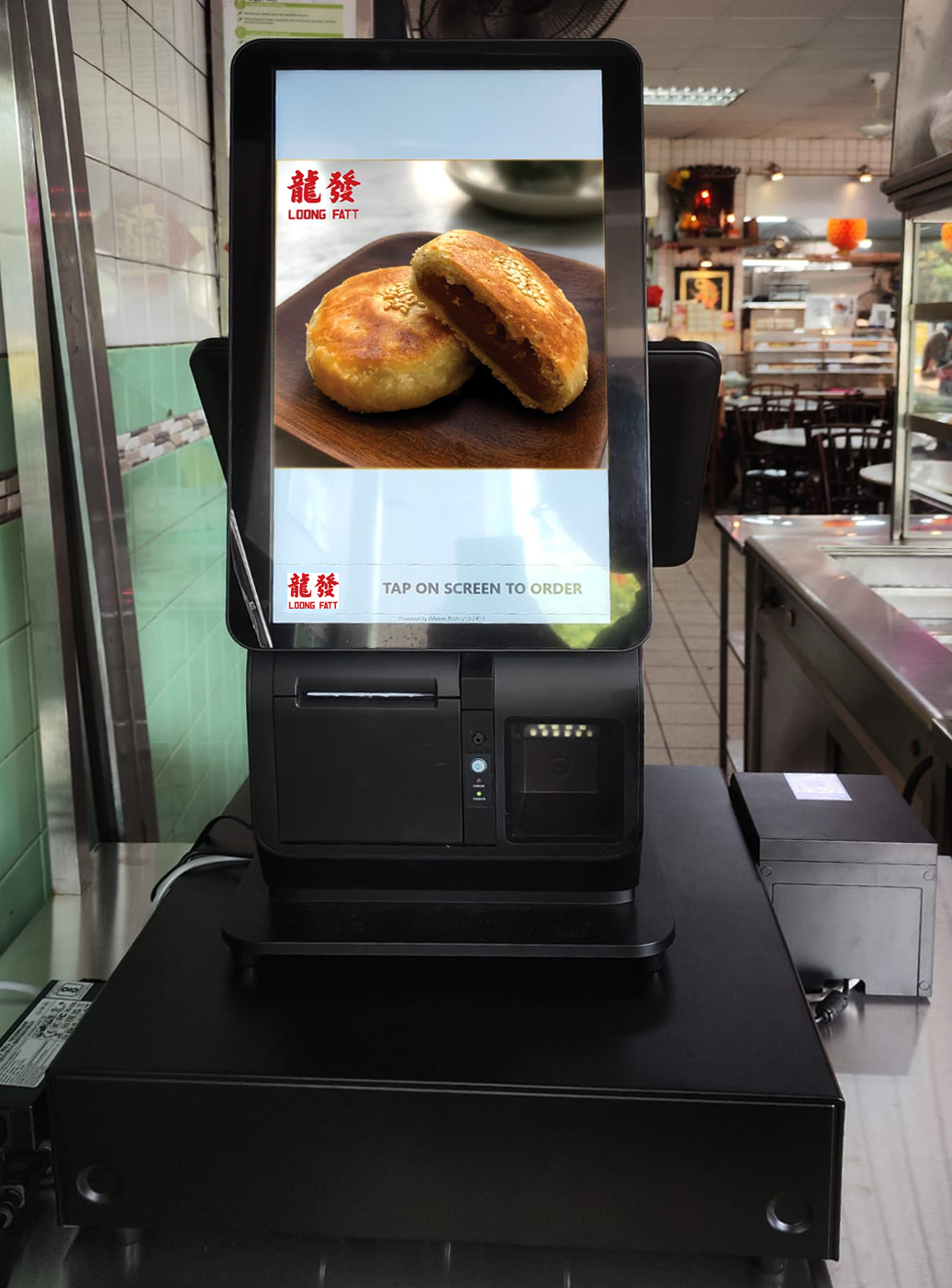
In Singapore’s competitive F&B industry, it’s common to see two restaurants located just a few streets apart with completely different outcomes. One is constantly busy with customers waiting for tables, while the other struggles to attract diners even during peak hours. For many F&B owners, this difference can feel confusing. The food quality may be similar, prices may be comparable, and both businesses may have invested heavily in décor and branding. Yet one continues to thrive while the other struggles to maintain consistent sales. The reality is that successful F&B operations often rely on more than just good food and a good location. Behind the scenes, many of the busiest outlets are making strategic decisions about how they manage operations, customer engagement, and data. Understanding these differences can help F&B operators build a more sustainable and profitable business. Consistency Matters More Than Occasional Success Many restaurants experience occasional busy days, especially during weekends or after a successful marketing campaign. However, the most successful outlets focus on maintaining consistent daily sales rather than relying on unpredictable spikes in traffic. Consistency often comes from operational efficiency. Restaurants that serve customers quickly, manage orders accurately, and minimise mistakes create better dining experiences. When service is smooth and food is good, customers are more likely to return. Operational consistency also helps staff work more effectively. When processes are streamlined and systems are easy to use, teams can focus on delivering good service rather than managing chaos during peak periods. Customer Retention Is Often Overlooked One of the biggest mistakes many F&B businesses make is focusing almost entirely on attracting new customers while neglecting their existing ones. In reality, repeat customers are often the backbone of a successful restaurant. A loyal customer who visits regularly can contribute significantly more revenue over time than a first-time diner. Businesses that perform well tend to have ways of keeping their brand in the customer’s mind. This can include loyalty programmes, membership systems, promotions, or simply maintaining a database of customers they can engage with in the future. Without these strategies, every day becomes a new effort to attract strangers instead of building long-term relationships with customers who already enjoy the food. Branding Plays a Bigger Role Than Many Owners Realise Branding is another factor that often separates busy restaurants from struggling ones. Branding is not just about having a nice logo or interior design it is about how customers remember and talk about your business. Successful F&B outlets usually have a clear identity that customers can easily recognize, whether it is a unique dining concept, a memorable signature dish, or a strong theme that makes the experience stand out. In today’s social media driven environment, branding also influences how shareable your restaurant is. When customers find a place that feels distinctive or memorable, they are more likely to recommend it to friends or post about it online. Over time, this word-of-mouth and online exposure can become one of the most powerful drivers of sustained traffic for an F&B business. Speed of Service Can Make or Break Peak Hours Another factor that separates busy restaurants from struggling ones is the ability to handle peak-hour demand efficiently. When customers experience long queues, slow order taking, or confusion at the counter, frustration builds quickly. Even if the food is good, many customers will not return if the process feels inconvenient. Restaurants that manage peak hours well often rely on structured workflows and tools that reduce bottlenecks. Faster ordering processes, clear communication between front-of-house and kitchen teams, and efficient payment systems can significantly improve service speed. In a fast-paced market like Singapore, where diners have countless options nearby, convenience plays a major role in where customers choose to eat. Data Helps Owners Make Better Decisions Many small F&B operators rely mainly on intuition when making decisions about pricing, menu items, or promotions. While experience is valuable, data can provide insights that are difficult to see otherwise. For example, understanding which menu items generate the most revenue, which hours are most profitable, and how often customers return can help owners make smarter adjustments. Some restaurants discover that their best-selling dish is actually not their most profitable one. Others realise that a certain promotion drives traffic but reduces overall margins. Having access to reliable data allows businesses to optimise their menu, pricing, and operations with greater confidence. The Future of F&B Is Operational Efficiency With rising rental costs, manpower shortages, and increasing competition, running an F&B business in Singapore has become more challenging than ever. Successful operators are not just focusing on cooking great food. They are also looking at ways to improve efficiency, reduce unnecessary costs, and create better experiences for customers. This includes adopting smarter operational practices, understanding customer behaviour, and using systems that help them manage their business more effectively. While these changes may seem small individually, together they can make a significant difference in the long-term sustainability of an F&B outlet. Final Thoughts The difference between a busy restaurant and an empty one is rarely just about the food. More often, it comes down to how well the business manages its operations, understands its customers, and adapts to the evolving F&B landscape. For restaurant owners, gaining insight into these factors can be the first step toward building a stronger and more resilient business. In an industry where margins are tight and competition is fierce, small improvements in efficiency, customer engagement, and decision-making can have a major impact on long-term success. If you are looking for F&B solutions that can boost customer retention, branding, online presence and help you to streamline operations with a centralised POS system, click here to find out more