Retail Cloud POS System

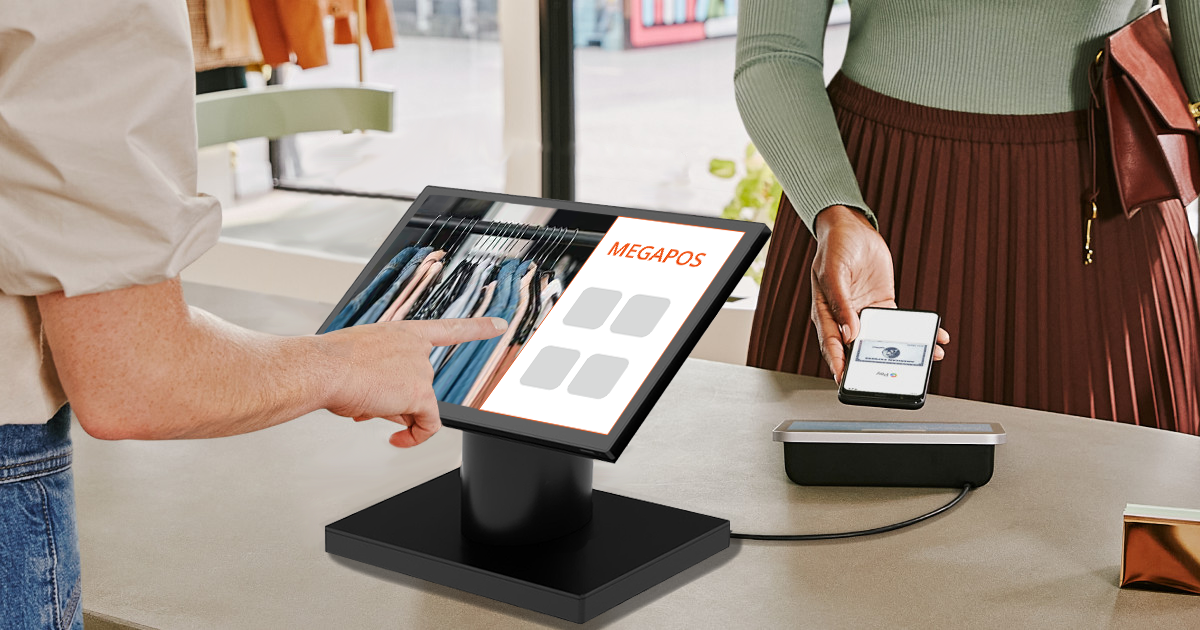
Getting a MEGAPOS retail POS (point-of-sale) system helps you deliver the end-to-end experience customers expect.


MEGAPOS retail POS system helps you achieve a single, 360-degree view of your customer, inventory, transactions and data, giving your retail business the prerequisite to thrive and make strategic decisions that maximize their growth.
Arrange a Free Demo
retail pos system

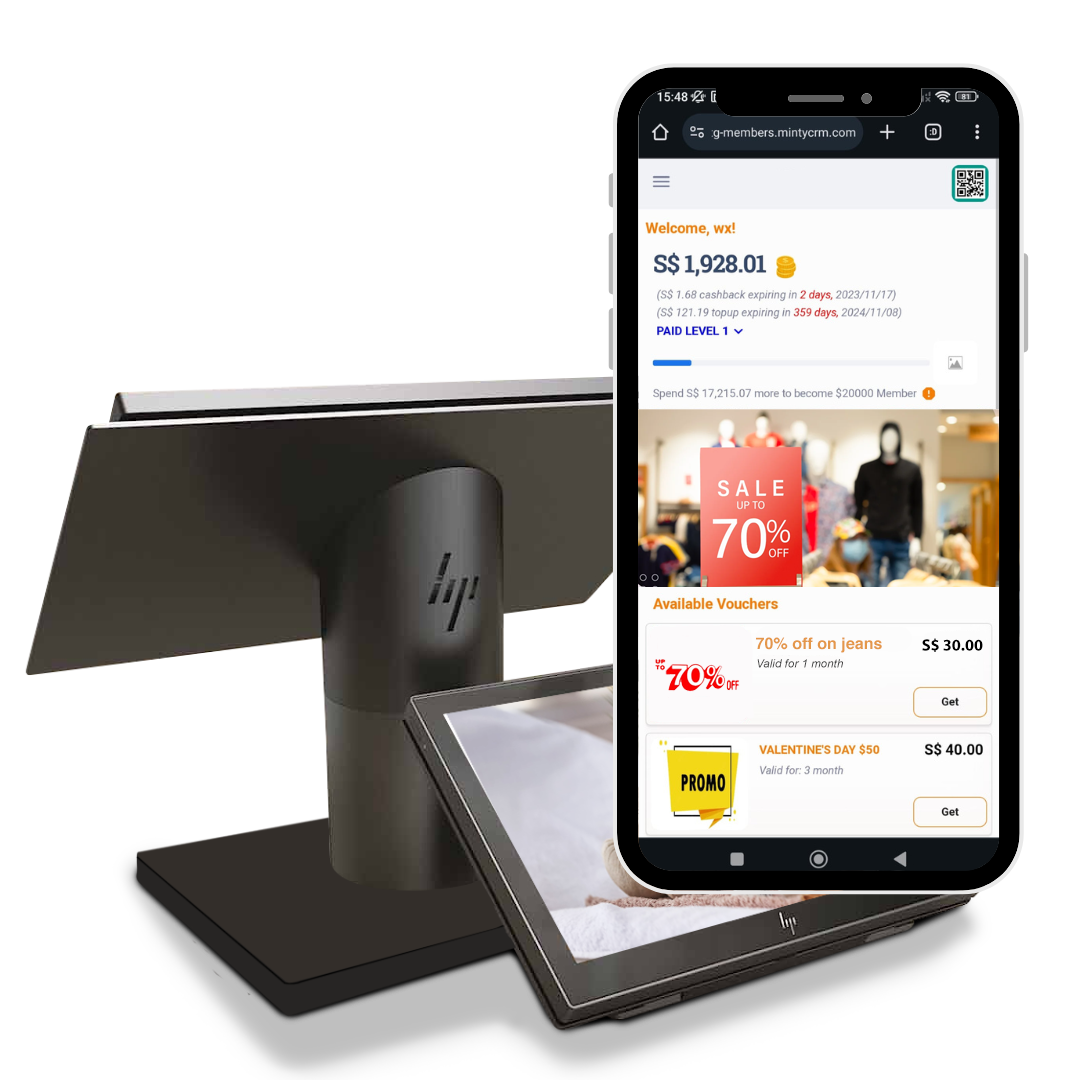
Retail POS system & CRM membership seamlessly combined

Encourage repeat visits and purchases from customers
  • Enhanced customer retention

    Loyalty Rewards: Offer reward points, special discounts, and exclusive deals to encourage repeat visits and purchases.


    Personalized Offers: Use customer data from your retail POS system and CRM to tailor promotions and rewards, enhancing the shopping experience and fostering loyalty.

  • Deeper member insights

    Purchase History Tracking: A retail POS with membership modules combines sales, inventory and member data to provide valuable insights into members' preferences and buying patterns.


    Targeted Marketing: Using insightful data, you can customers and create targeted marketing campaigns, to increase its effectiveness.

  • Streamlined operations

    Integrated System: Combine sales, inventory, and loyalty management into one seamless system, reducing administrative workload and errors.


    Centralized Processes: Centralize the  redemption of loyalty points through your retail POS system, for seamless member experience.

  • Increased sales and cashflow

    Boost Sales: Encourage higher spending by offering rewards and incentives for larger purchases.


    Increase cashflow: Allow customers to pre purchase vouchers and top up credits to an eWallet which encourages repeat visits.

  • Improved customer experience

    Faster Checkouts: Speed up the checkout process with easy loyalty point redemption and member discounts centralized through your retail POS system.


    Consistent Experience: Provide a seamless membership experience across all touchpoints, whether in-store or online, ensuring customer satisfaction.

  • Better inventory management

    Data-Driven Decisions: With your retail POS system's inventory management & loyalty management module centralized. it is easy to forecast demand and manage inventory more effectively.


    Reduce Waste: Optimize stock levels based on customer preferences and purchase history, minimizing excess inventory.

    Button
  • Enhanced customer communication

    Direct Engagement: Communicate directly with customers through the loyalty program, sending updates on new products, sales, and events.


    Feedback and Reviews: Collect customer feedback and reviews through the online member's loyalty portal which helps youto improve your retail business's products and services.

    Button
  • Increased brand loyalty

    Brand Ambassadors: Loyal customers are often brand advocates who promote your store to friends and family.


    Exclusive Membership Perks: Offer exclusive events, early access to sales, and special rewards for members, making them feel valued and appreciated.

    Button
  • Competitive advantage

    Stand Out: Differentiate your retail business by offering a comprehensive loyalty program that rivals competitors.


    Customer Retention: A strong loyalty program can be a key factor in retaining customers and preventing them from switching to competitors.

    Button

Feature Highlights

Hand-picked for the retail industry


Barcode Printing

Easy and fast in printing barcode for every item and quickly scan in your customers order using barcode scanner.

Auto Email Reports

Reports are emailed timely to stakeholders for instant performance review. Get ready-to-use reports anywhere anytime.

Intelligent Business Reports

Intelligence reports will help you to improve your business and profit margin all in real-time.

Inventory Reports

Have full control and visibility of your entire inventory and its movement history. 

Stock Movement Report

Render movement history of inventory items at a glance. 

Manage multiple outlets*

Ready to scale up when you expand. MegaPOS is designed to manage your multiple locations with ease.

Variance report

The variance stock are summarised in the report to reflect any potential inventory control problems.

Customer database management

Organise and keep track every customer’s particulars and purchase history.

Accounting Software Integration

Manual data entry will be a thing of the past. Boost your productivity and eliminate human error with our latest integration with Xero Accounting Software.
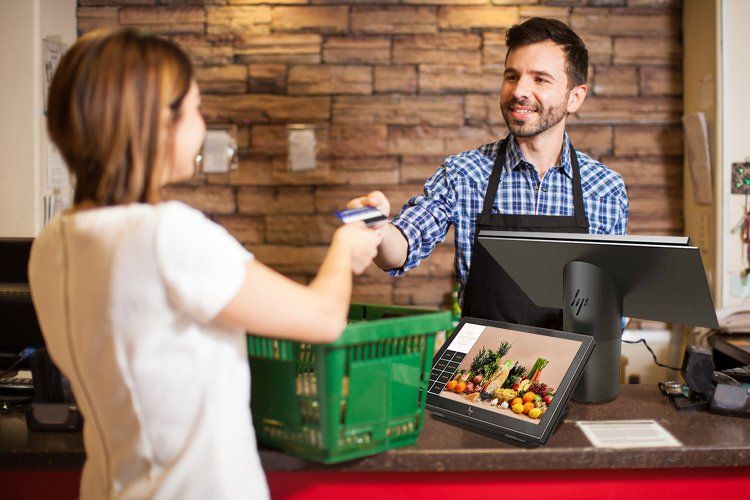
minimart retail pos system

Suitable business types


✓ Clothing and Fashion Shops

✓ Minimarts

✓ Bakery

✓ Cosmetics Shops

✓ Jewellery and Accessories Retail Shops

✓ Spectacle Retail Shops

✓ Gifts/Toys Retail Shops

✓ Pet Shops

✓ Bookshops/ Stationary Retail Shops

✓ Hardware Retail Shops

✓ Sports Gear Shops

✓ Retail Chain Outlets

✓ Any type of retail shops

MEGAPOS Retail Cloud POS System


MEGAPOS offers the best touch screen POS system for your retail operations. Manage inventory, access comprehensive reports and update your inventory through an online backend portal.


Our POS system caters to all your operation needs, boosting your retail operation efficiency.

Scaling as your business grows


Future Ready

MEGAPOS retail POS system has the capability to cater to the needs and wants of your retail business as it grows.

Bring Down Cost

Bring wastage and excess manpower down to minimum by using data analytics.

System Reliability

Getting a MEGAPOS System is a protection of investment. Our team practices stringent QC control on every hardware and software.

Intuitive Backend

Whether single or multiple locations, maintenance tasks such as price update, creating new users and promotions are easy to carry out for timely execution.

Business Digitalization

Data driven, customer centric and ready to scale. MEGAPOS digitalises your business to boost up your operation efficiency, so you can focus to sell more.

Business Security

Prevent and preclude employee cheating. MEGAPOS protects your bottom line.

Dedicated Support

MEGAPOS support team is friendly, knowledgeable and always ready to help. We use efficient support tools and methodology for quick response and resolution.

Our Hardware


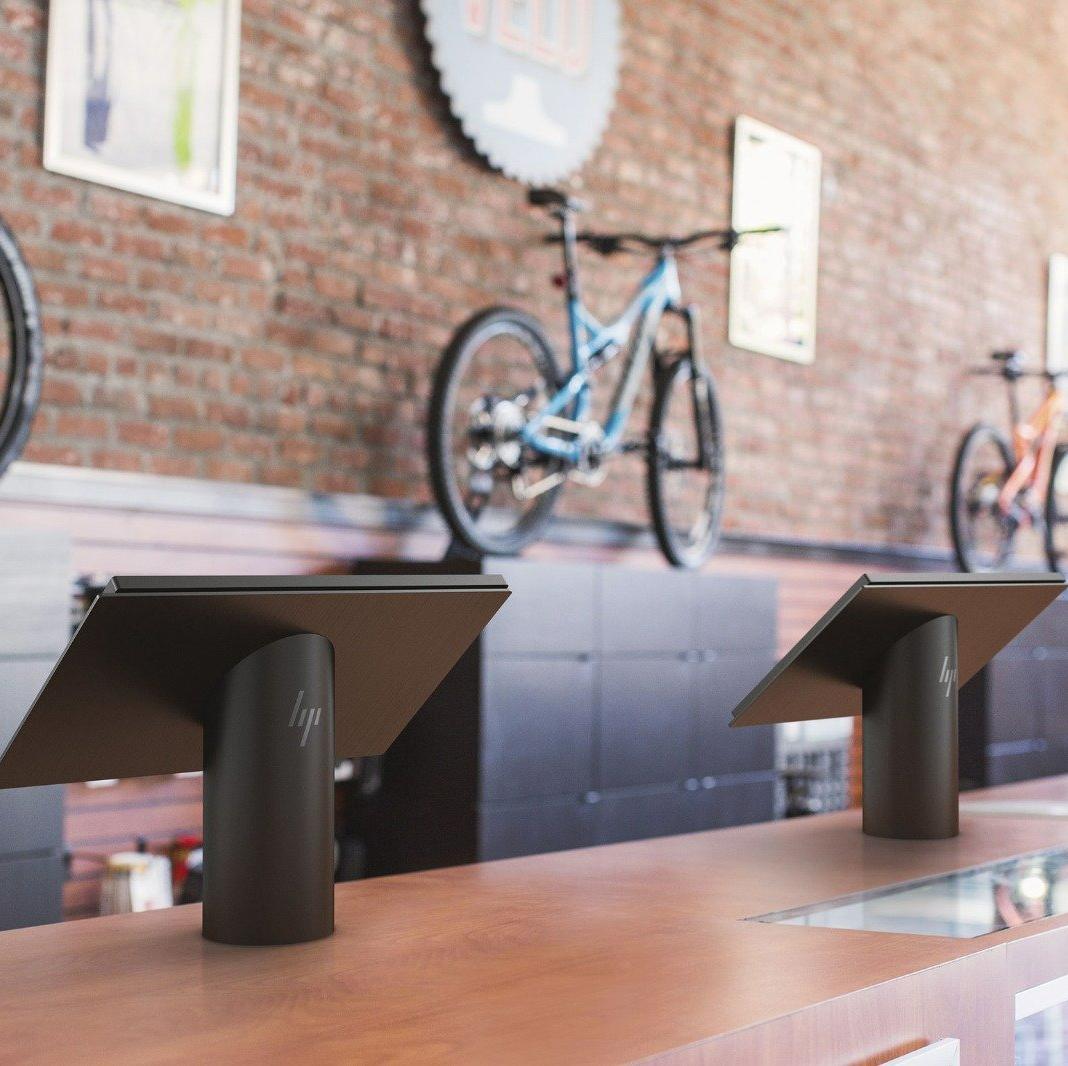
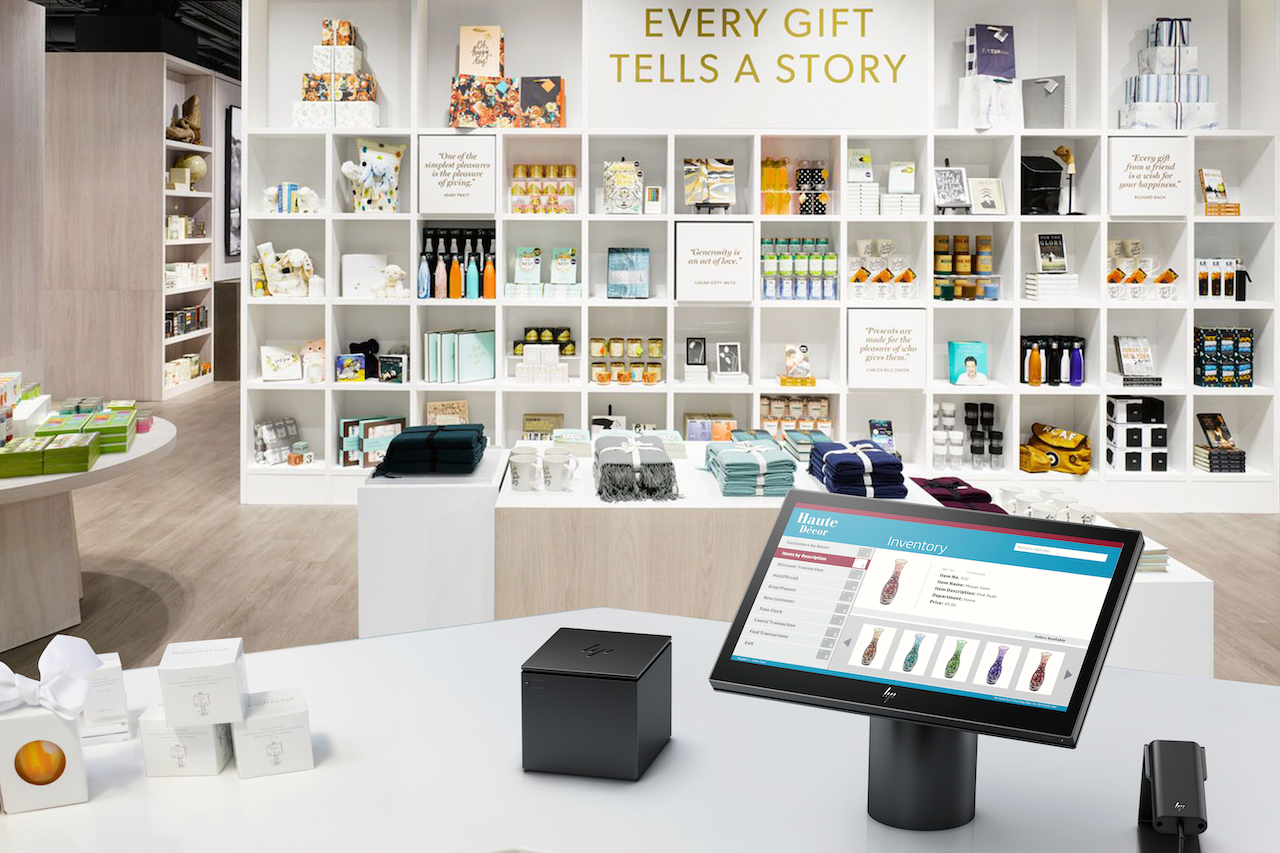
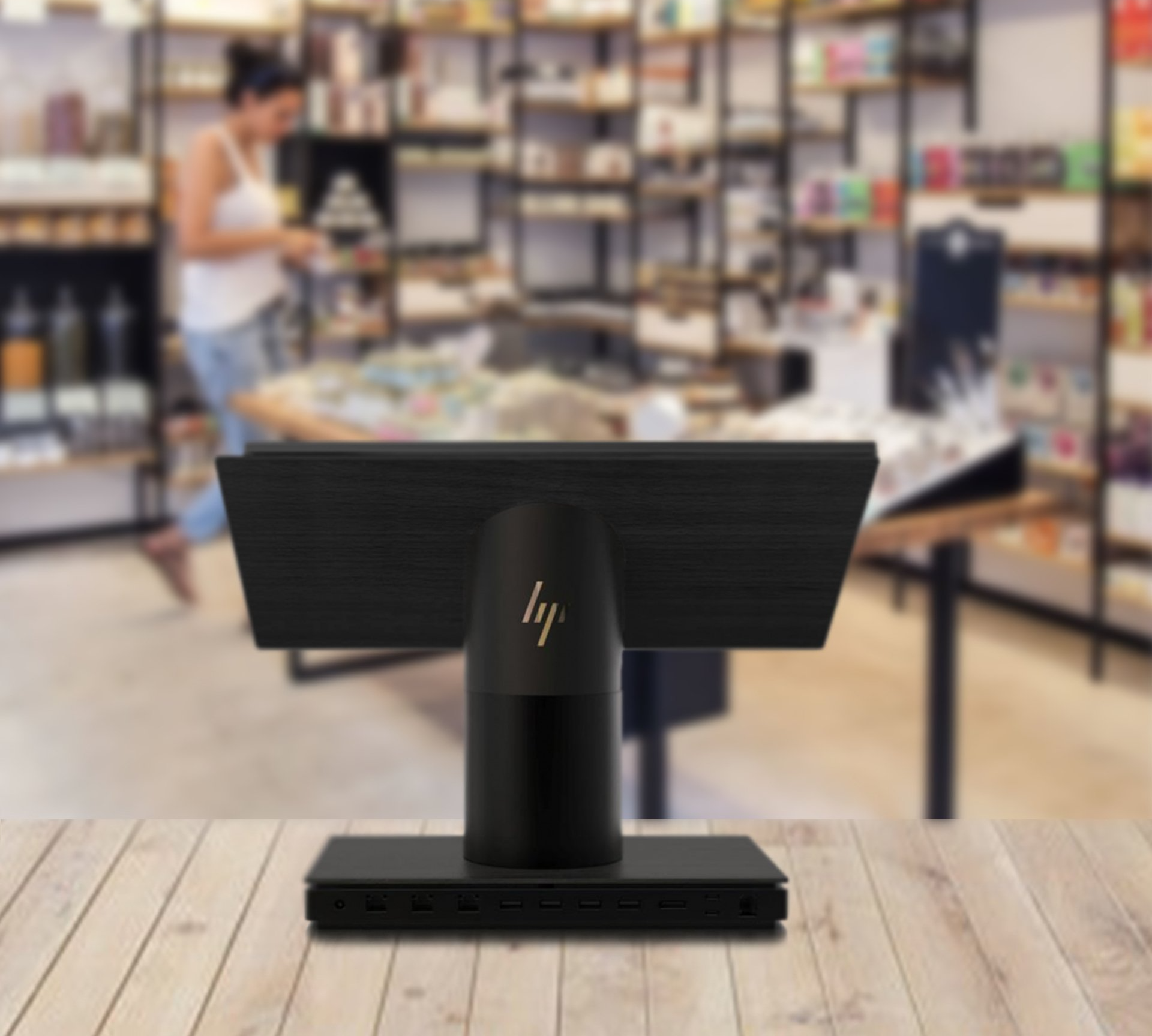
Our Retail Cloud POS system boast a comprehensive and future proof POS software coupled with a sleek and robust POS terminal from HP, one of the world's leading POS terminal producters.
Find Out More

Essential Modules for Retail POS System

Make retail management simple
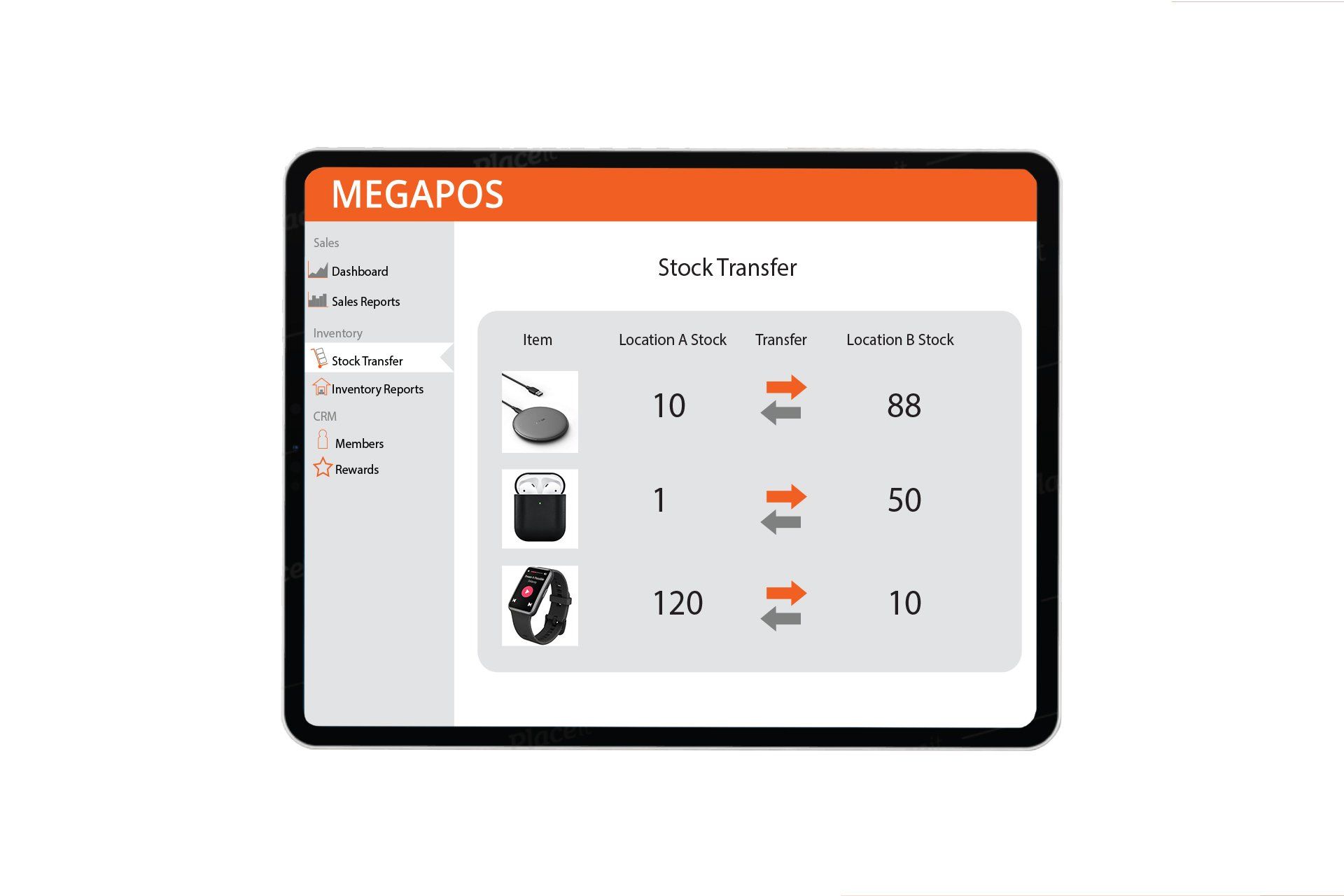

retail POS system inventory management

Stock Management

Get low stock reports, manage stock in & out, get an at-a-glance view of your inventory stock levels.
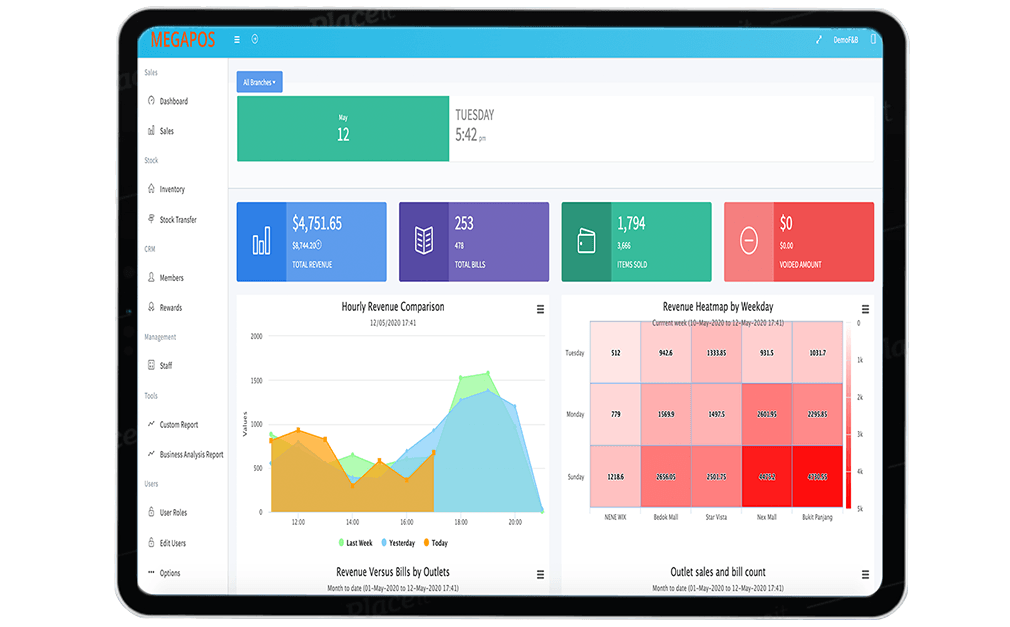

retail pos system cloud based backend

Cloud Based Backend

Manage your POS backend settings, inventory & analyze reports through any internet enabled device where ever you are.
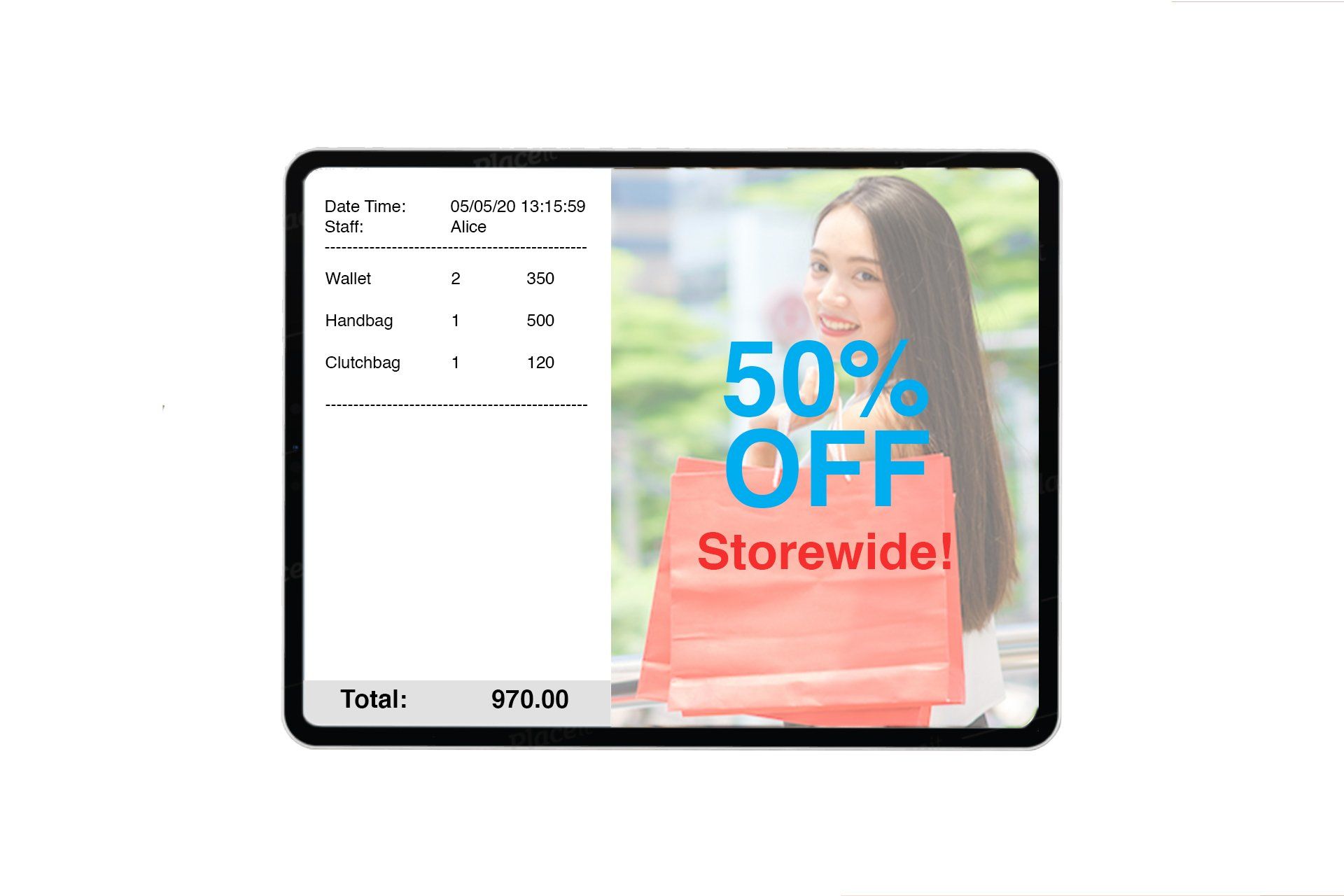

retail pos system customer display

Customer Display

Display latest promotions & products to your customers while they are verifying their bills on the customer second display.


Is your retail business based in Singapore and looking for a retail POS system?

Contact Us


Fill up your contact details to proceed to the demo booking page.

MEGAPOS Address:

160 Robinson Road 

SBF Center #26-02

Singapore 068914


Call us:

(+65) 6224 5788

Contact Us

Informative Retail Reads

Read more about the latest retail POS systems, technology and tips business tips
By Liang Wei Liaw March 12, 2026
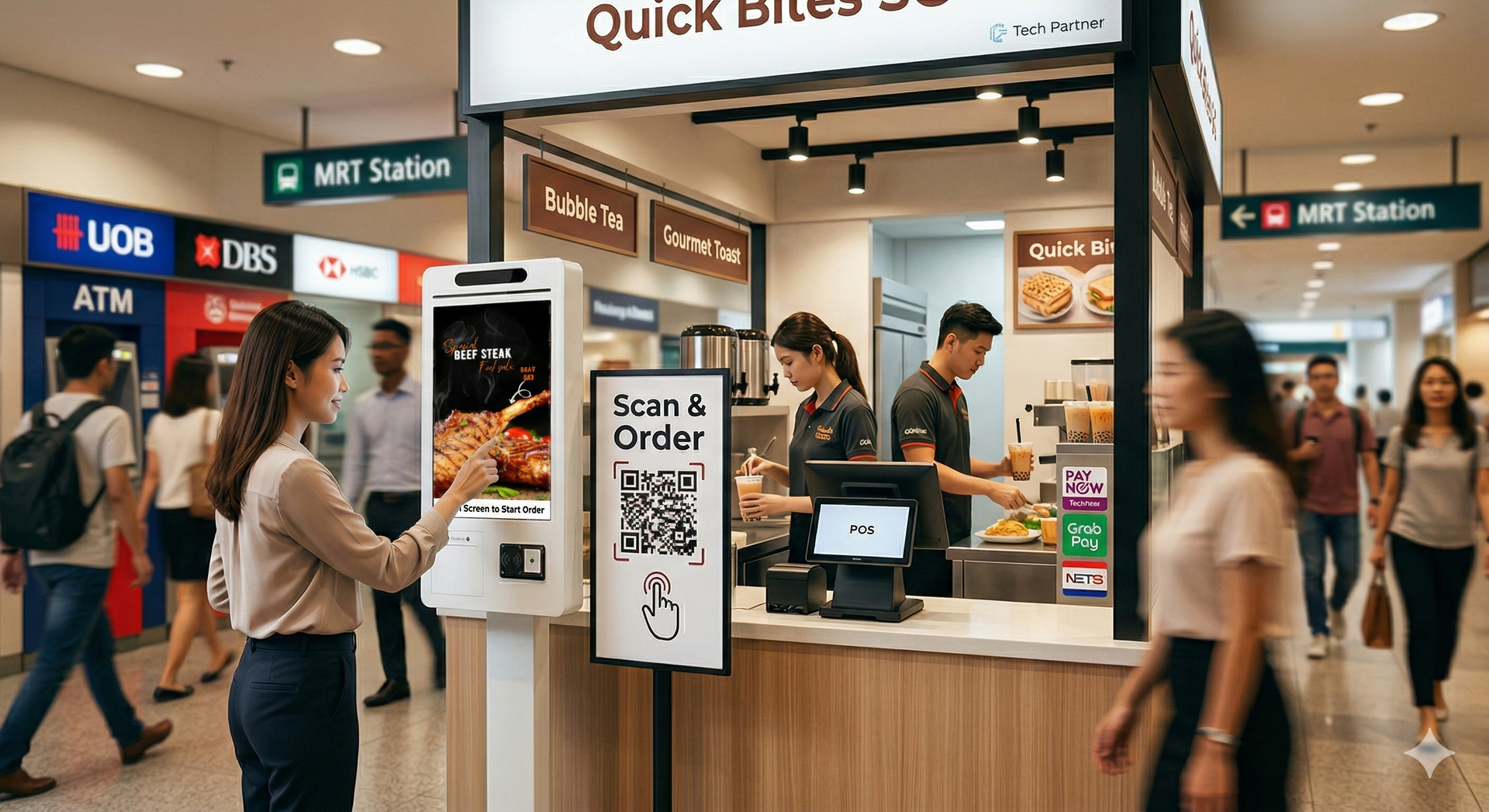
Walk around Singapore during lunch hour and you’ll notice something interesting. Some stalls and cafés always have a queue outside the shop, while others nearby remain half empty. What’s surprising is that the busiest places don’t always have the best food. Many F&B owners have probably wondered the same thing at some point: why does that stall always have customers while mine sometimes doesn’t? After observing many food businesses across Singapore, certain patterns appear again and again. People Trust What Other People Are Eating Humans naturally follow the crowd. When customers walk past a shop and see a line forming outside, their first instinct is often to assume the food must be good. Even without knowing anything about the restaurant, the queue itself becomes a signal of quality. On the other hand, an empty shop can unintentionally send the opposite message. Customers may subconsciously question whether the food is good or if something is wrong with the place. This is why a stall with several people waiting often attracts even more customers, while a stall with no queue may struggle to draw attention despite serving good food. Simple Menus Often Perform Better Many of Singapore’s busiest food stalls operate with surprisingly small menus. Some famous hawker stalls sell only three to six dishes, yet they remain consistently popular. A focused menu allows the kitchen to work faster and maintain consistent quality. It also makes ordering easier for customers. When people see too many options, they often take longer to decide, slowing down the queue and increasing pressure on the kitchen. By concentrating on a few strong dishes, many successful outlets are able to deliver food faster while keeping standards consistent. Speed Matters More Than Many Owners Think In busy districts such as the CBD or major office areas, many customers have limited time for lunch. Office workers often want to order, eat, and return to work within thirty to forty-five minutes. When the ordering process is smooth and the kitchen runs efficiently, customers feel that the experience fits naturally into their schedule. Long waiting times, confusing ordering processes, or delays in food preparation can discourage repeat visits, even if the food itself is good. Many of the busiest outlets in Singapore succeed simply because they are able to serve customers quickly and reliably during peak hours. Familiarity Creates Loyal Customers Another powerful factor in the success of many F&B outlets is familiarity. Customers often return not just because of the food, but because they feel comfortable with the place. Think about the kopi stall uncle who remembers your usual order, or the café staff who greet regular customers when they walk in. These small moments create a sense of connection that customers appreciate. Over time, the shop becomes part of the customer’s daily routine. This familiarity encourages repeat visits and helps build a steady base of loyal customers. The Best Shops Are Consistent Consistency is one of the most important traits shared by successful F&B businesses. Customers value reliability more than many operators realise. When someone finds a place they enjoy, they want the food to taste the same every time they visit. If the portion size changes, the flavour becomes inconsistent, or the service quality drops, customers may start looking for alternatives. Many of the most successful food stalls in Singapore are not constantly introducing new items or changing their menu. Instead, they focus on delivering the same dependable experience day after day. Final Thoughts Running an F&B business in Singapore is not easy. Rising rental costs, manpower challenges, and intense competition are realities that most operators face daily. However, when looking at outlets that remain busy year after year, the formula often comes down to a few simple principles: building trust through social proof, keeping menus focused, serving customers efficiently, creating familiarity, and maintaining consistency. In the end, success in the F&B industry is not always about having the most complex menu or the most creative concept. Sometimes, it’s about doing the simple things well and doing them consistently. If are interested in solutions that can help you automate order taking for consistent, fast ordering, without heavy reliance on manpower, or a solution that helps you handle member engagement to bring back customers, click here to learn more!
By Liang Wei Liaw March 6, 2026
When most people talk about the cost of running an F&B business in Singapore, two things usually come to mind: rent and manpower . These are certainly major expenses. Rental in prime locations continues to rise, and hiring staff has become increasingly difficult due to labour shortages, levies, and increasing salary expectations. However, there is another cost that many F&B owners overlook and it quietly eats into profits every single day. That cost is operational inefficiency . Unlike rent or salaries, inefficiencies are harder to notice. They appear in small daily problems that seem insignificant on their own but add up over time. Understanding where these inefficiencies occur can help F&B businesses protect their margins and operate more sustainably in Singapore’s competitive market. Time Lost During Peak Hours In many outlets, the busiest periods are also when operations become the most chaotic. Staff are rushing between customers, orders are written down manually, and the kitchen may struggle to keep up with incoming requests. During these moments, even small delays can have a large impact. A slower ordering process can increase queues, frustrate customers, and reduce the number of orders that can be handled during peak hours. When customers see a long queue or experience slow service, many will simply choose another nearby restaurant. For businesses located in malls or food courts where alternatives are only a few steps away, speed and convenience often determine where customers decide to dine. Human Errors That Affect Profit Manual processes often lead to mistakes that can quietly reduce revenue. Orders may be recorded incorrectly, items may be forgotten, or billing errors may occur during busy periods. In some cases, staff may even forget to charge for certain add-ons or extras. Individually, these mistakes may seem minor. But over the course of weeks and months, they can represent a significant loss in revenue. Reducing these types of errors helps protect margins and ensures that businesses capture the full value of every order placed. The Challenge of Managing Data Many F&B operators rely mainly on daily sales totals to understand how their business is performing. While this information is useful, it only provides a surface-level view. More detailed insights can reveal valuable information, such as: which menu items generate the most profit which hours bring the highest revenue which promotions actually increase spending which customers return frequently Without access to these insights, it becomes difficult for owners to make informed decisions about pricing, promotions, or menu changes. Data-driven decision making is increasingly becoming an advantage for F&B businesses looking to stay competitive. Customer Retention Is Often Ignored Another hidden cost comes from constantly needing to attract new customers. Marketing campaigns, promotions, and discounts are often used to bring new diners through the door. However, acquiring new customers repeatedly can become expensive. Repeat customers, on the other hand, are far more valuable over time. A regular diner who visits every week contributes significantly more revenue than a one-time visitor. Businesses that find ways to keep customers engaged and returning tend to build a much more stable and predictable revenue stream. Adapting to Singapore’s Competitive F&B Market Singapore’s F&B landscape is one of the most competitive in the region. Consumers have many options, and expectations for convenience and speed continue to increase. Successful F&B businesses are not just focusing on food quality. They are also looking closely at how efficiently their operations run and how they can improve the overall customer experience. Small improvements in operational efficiency, service speed, and customer engagement can make a meaningful difference to profitability over time. Final Thoughts Running an F&B business in Singapore will always involve significant costs. Rent, manpower, and ingredient prices are unlikely to decrease anytime soon. However, by identifying and addressing operational inefficiencies, F&B owners can reduce unnecessary losses and improve the sustainability of their business. In an industry where margins are tight, even small improvements in efficiency can have a significant impact on long-term success. For many businesses, the key is not simply increasing sales but ensuring that every order, every customer, and every hour of operation is managed as efficiently as possible. If you are interested in F&B solutions that can boost your operation efficiency, like POS, self ordering kiosks, QR ordering and membership solutions, click here to get in touch with us and learn more!
By Liang Wei Liaw March 5, 2026
In Singapore’s competitive F&B industry, it’s common to see two restaurants located just a few streets apart with completely different outcomes. One is constantly busy with customers waiting for tables, while the other struggles to attract diners even during peak hours. For many F&B owners, this difference can feel confusing. The food quality may be similar, prices may be comparable, and both businesses may have invested heavily in décor and branding. Yet one continues to thrive while the other struggles to maintain consistent sales. The reality is that successful F&B operations often rely on more than just good food and a good location. Behind the scenes, many of the busiest outlets are making strategic decisions about how they manage operations, customer engagement, and data. Understanding these differences can help F&B operators build a more sustainable and profitable business. Consistency Matters More Than Occasional Success Many restaurants experience occasional busy days, especially during weekends or after a successful marketing campaign. However, the most successful outlets focus on maintaining consistent daily sales rather than relying on unpredictable spikes in traffic. Consistency often comes from operational efficiency. Restaurants that serve customers quickly, manage orders accurately, and minimise mistakes create better dining experiences. When service is smooth and food is good, customers are more likely to return. Operational consistency also helps staff work more effectively. When processes are streamlined and systems are easy to use, teams can focus on delivering good service rather than managing chaos during peak periods. Customer Retention Is Often Overlooked One of the biggest mistakes many F&B businesses make is focusing almost entirely on attracting new customers while neglecting their existing ones. In reality, repeat customers are often the backbone of a successful restaurant. A loyal customer who visits regularly can contribute significantly more revenue over time than a first-time diner. Businesses that perform well tend to have ways of keeping their brand in the customer’s mind. This can include loyalty programmes, membership systems, promotions, or simply maintaining a database of customers they can engage with in the future. Without these strategies, every day becomes a new effort to attract strangers instead of building long-term relationships with customers who already enjoy the food. Branding Plays a Bigger Role Than Many Owners Realise Branding is another factor that often separates busy restaurants from struggling ones. Branding is not just about having a nice logo or interior design it is about how customers remember and talk about your business. Successful F&B outlets usually have a clear identity that customers can easily recognize, whether it is a unique dining concept, a memorable signature dish, or a strong theme that makes the experience stand out. In today’s social media driven environment, branding also influences how shareable your restaurant is. When customers find a place that feels distinctive or memorable, they are more likely to recommend it to friends or post about it online. Over time, this word-of-mouth and online exposure can become one of the most powerful drivers of sustained traffic for an F&B business. Speed of Service Can Make or Break Peak Hours Another factor that separates busy restaurants from struggling ones is the ability to handle peak-hour demand efficiently. When customers experience long queues, slow order taking, or confusion at the counter, frustration builds quickly. Even if the food is good, many customers will not return if the process feels inconvenient. Restaurants that manage peak hours well often rely on structured workflows and tools that reduce bottlenecks. Faster ordering processes, clear communication between front-of-house and kitchen teams, and efficient payment systems can significantly improve service speed. In a fast-paced market like Singapore, where diners have countless options nearby, convenience plays a major role in where customers choose to eat. Data Helps Owners Make Better Decisions Many small F&B operators rely mainly on intuition when making decisions about pricing, menu items, or promotions. While experience is valuable, data can provide insights that are difficult to see otherwise. For example, understanding which menu items generate the most revenue, which hours are most profitable, and how often customers return can help owners make smarter adjustments. Some restaurants discover that their best-selling dish is actually not their most profitable one. Others realise that a certain promotion drives traffic but reduces overall margins. Having access to reliable data allows businesses to optimise their menu, pricing, and operations with greater confidence. The Future of F&B Is Operational Efficiency With rising rental costs, manpower shortages, and increasing competition, running an F&B business in Singapore has become more challenging than ever. Successful operators are not just focusing on cooking great food. They are also looking at ways to improve efficiency, reduce unnecessary costs, and create better experiences for customers. This includes adopting smarter operational practices, understanding customer behaviour, and using systems that help them manage their business more effectively. While these changes may seem small individually, together they can make a significant difference in the long-term sustainability of an F&B outlet. Final Thoughts The difference between a busy restaurant and an empty one is rarely just about the food. More often, it comes down to how well the business manages its operations, understands its customers, and adapts to the evolving F&B landscape. For restaurant owners, gaining insight into these factors can be the first step toward building a stronger and more resilient business. In an industry where margins are tight and competition is fierce, small improvements in efficiency, customer engagement, and decision-making can have a major impact on long-term success. If you are looking for F&B solutions that can boost customer retention, branding, online presence and help you to streamline operations with a centralised POS system, click here to find out more
Show More