• Slide title

    Write your caption here
    Button
  • Slide title

    Write your caption here
    Button
  • Slide title

    Write your caption here
    Button
  • Slide title

    Write your caption here
    Button
  • Slide title

    Write your caption here
    Button
  • Slide title

    Write your caption here
    Button

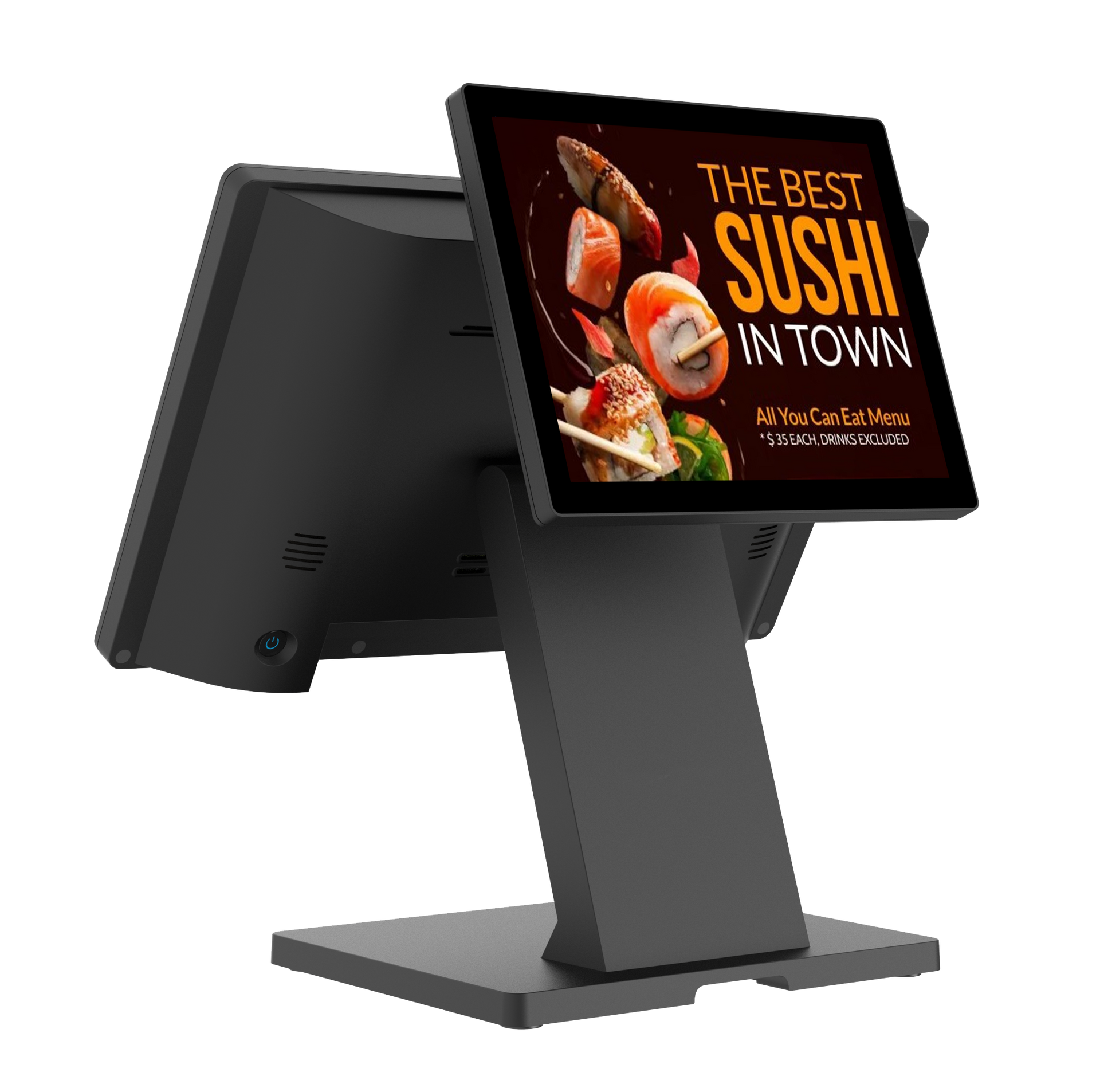
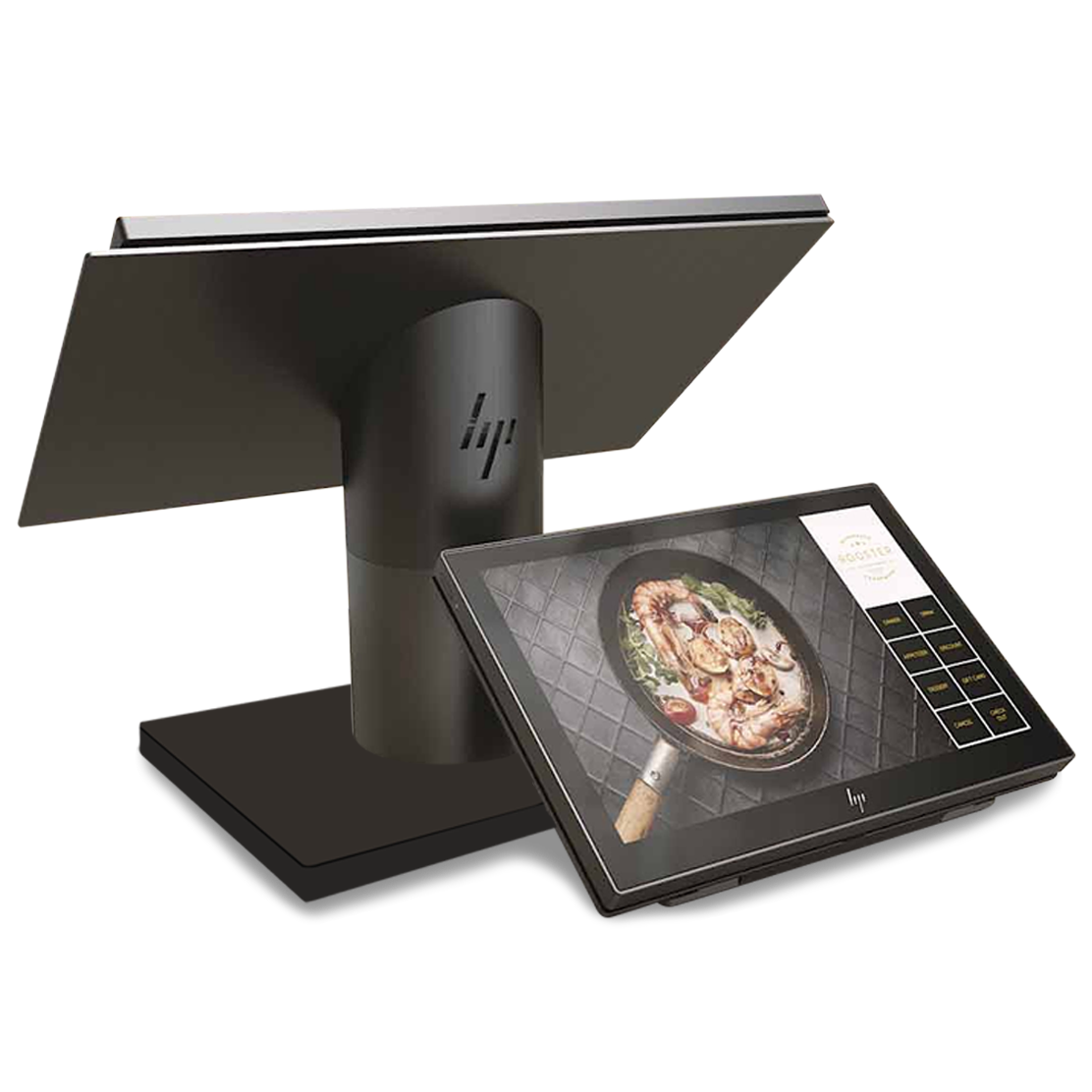
F&B POS System

Feature-rich, user-friendly POS with online portal for managing menus, inventory, and reports anytime. Scalable
  • Slide title

    Write your caption here
    Button
  • Slide title

    Write your caption here
    Button
  • Slide title

    Write your caption here
    Button
  • Slide title

    Write your caption here
    Button
  • Slide title

    Write your caption here
    Button
Find out more

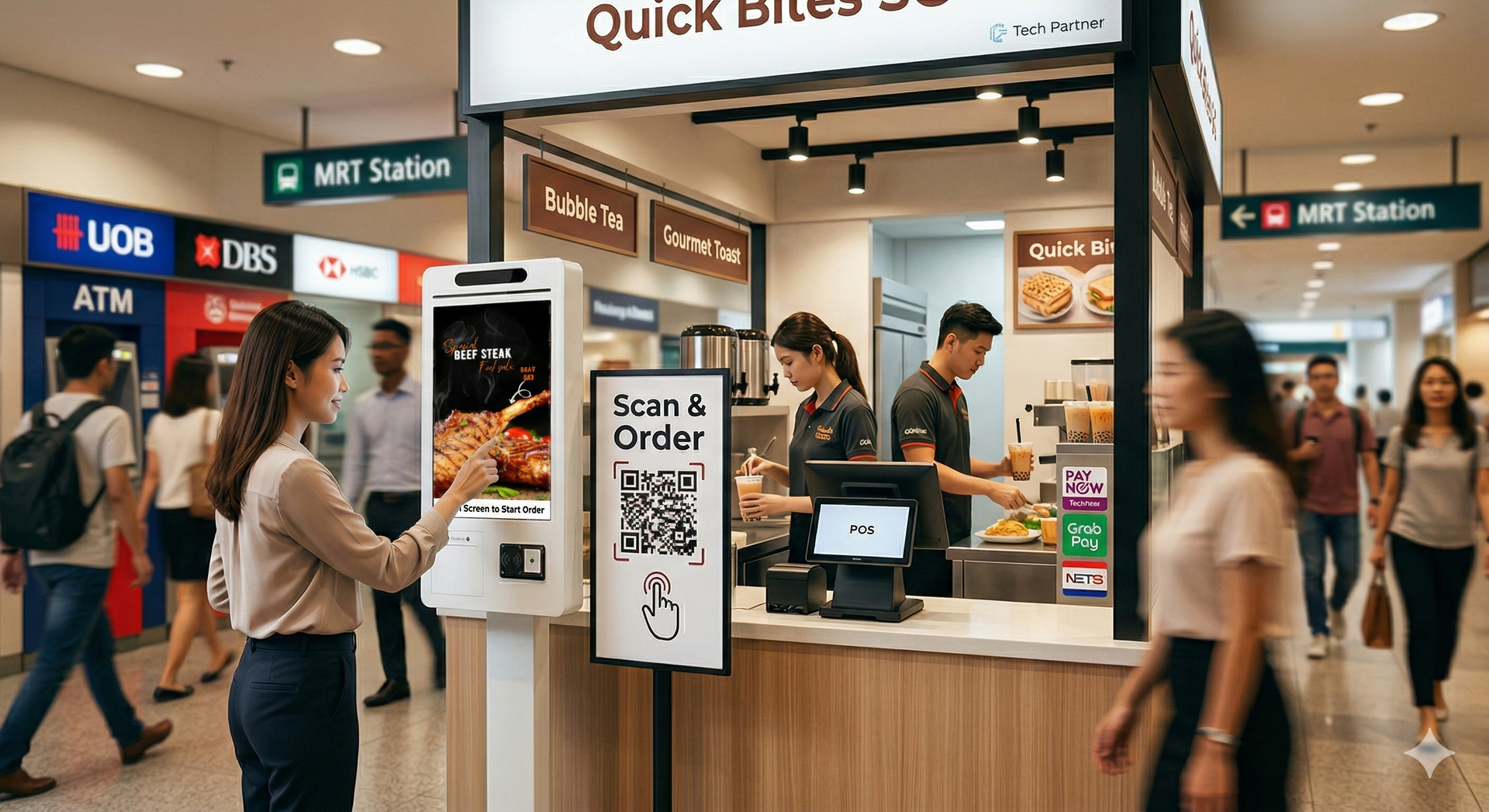
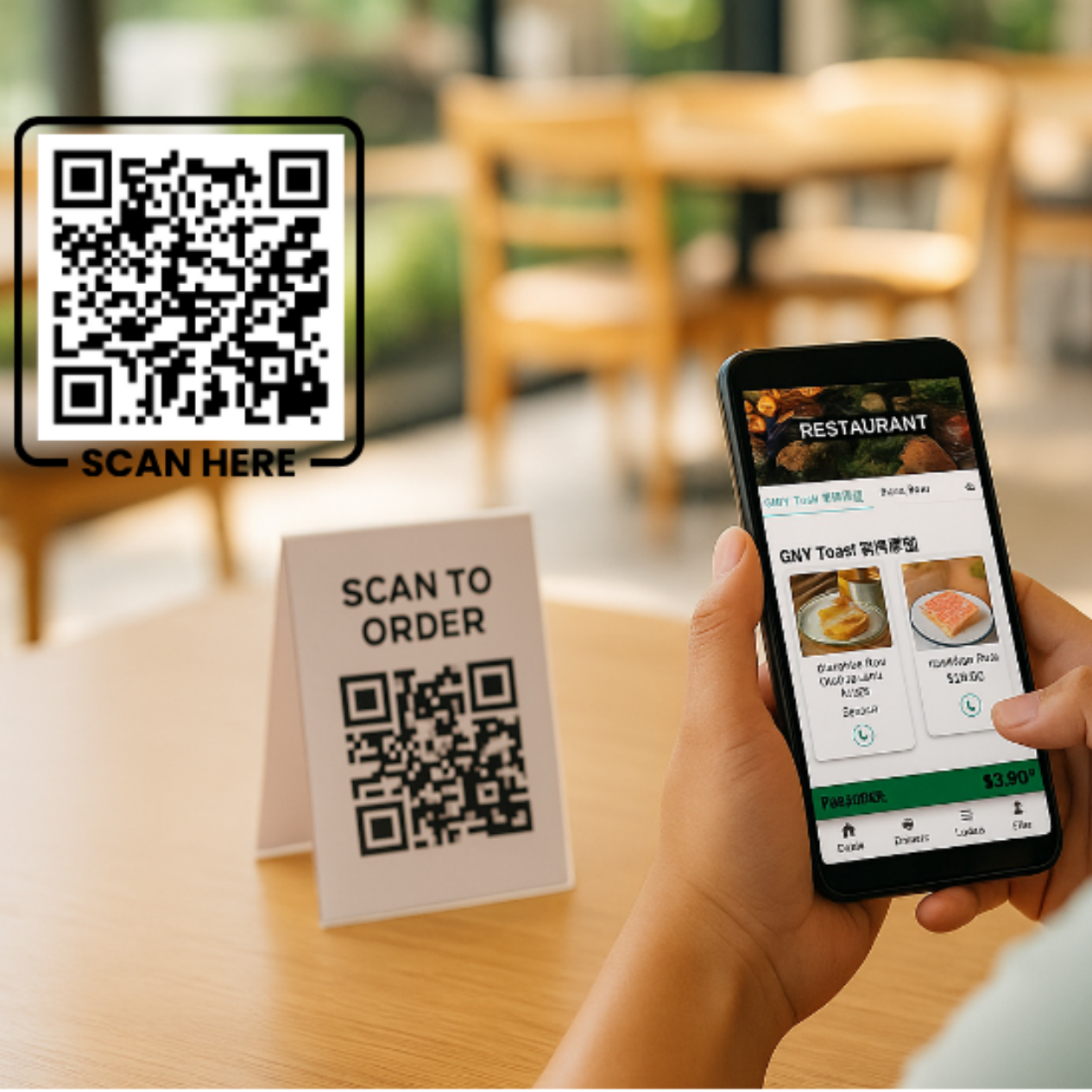
QR Ordering

Streamline orders by letting customers scan, order, and pay via QR codes. Orders are sent directly to your POS and kitchen printers/display screens
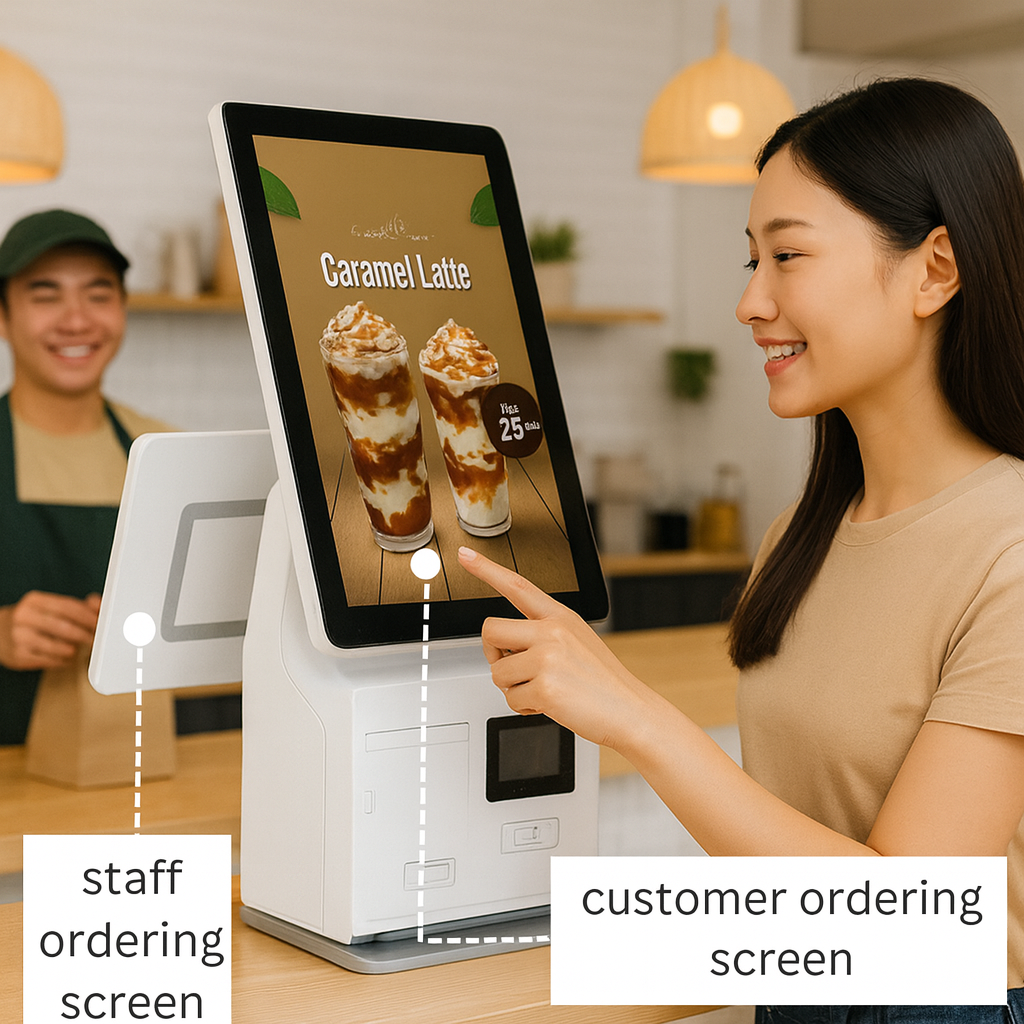
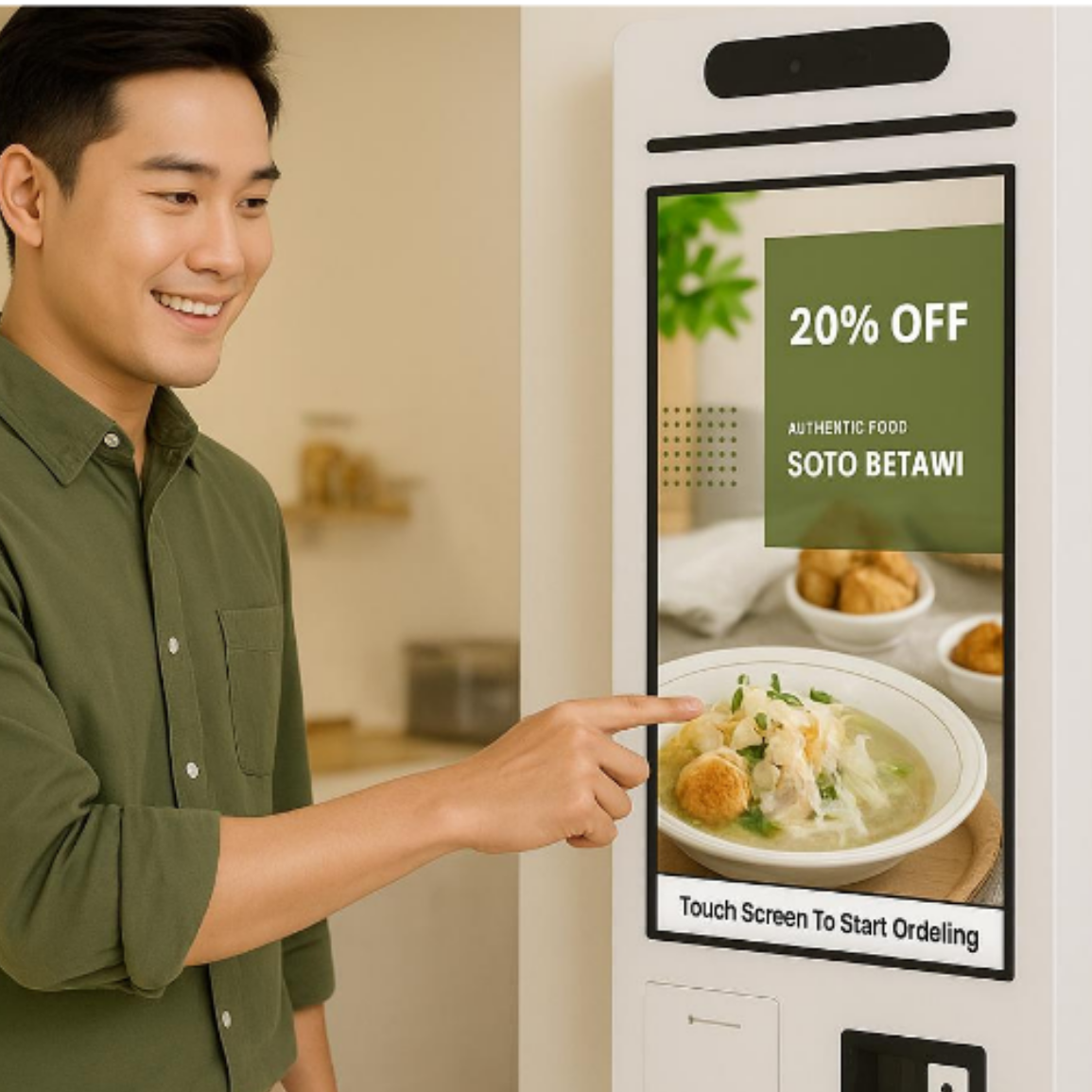
Self Ordering Kiosk

A POS system with self-ordering kiosk reduces staff needs and minimizes errors by sending itemized orders directly to the kitchen
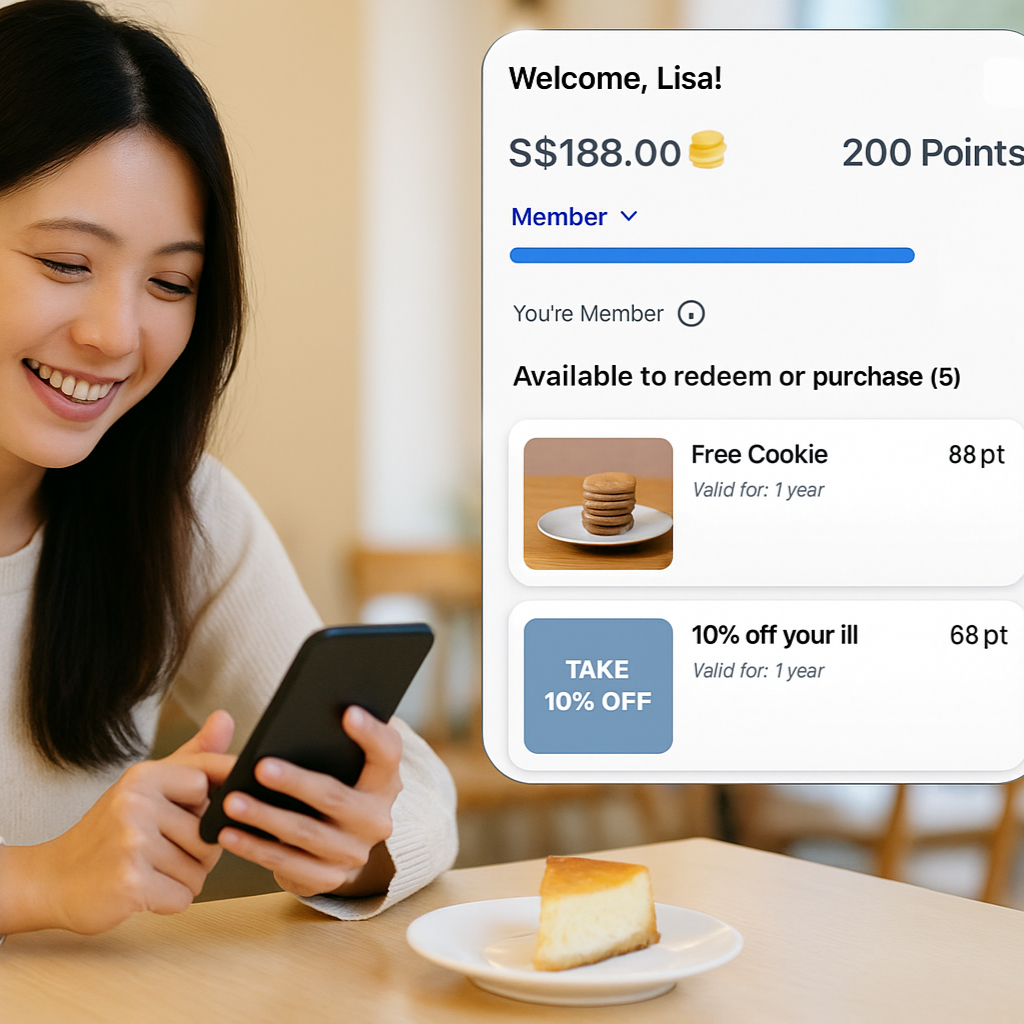
CRM Membership

A mobile CRM integrated with your POS streamlines customer loyalty, enabling easy redemption of points, rewards, and eVouchers via mobile
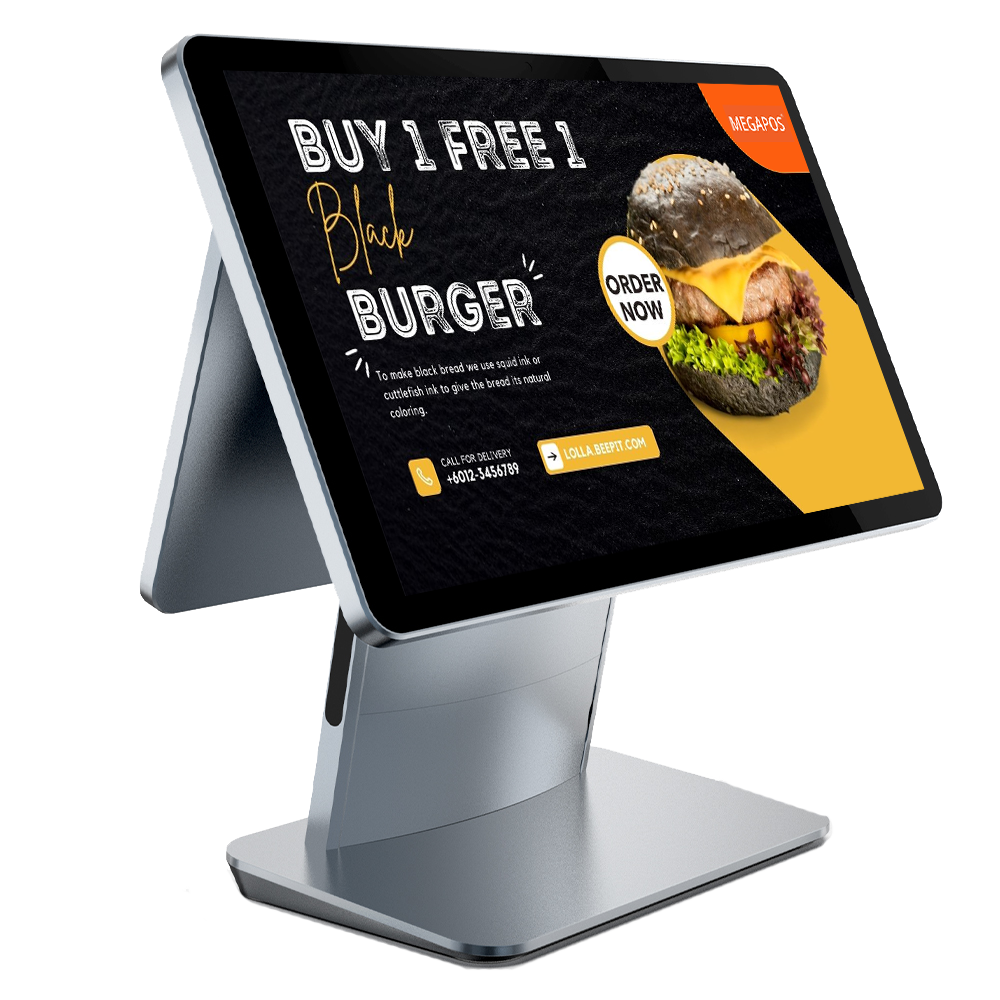
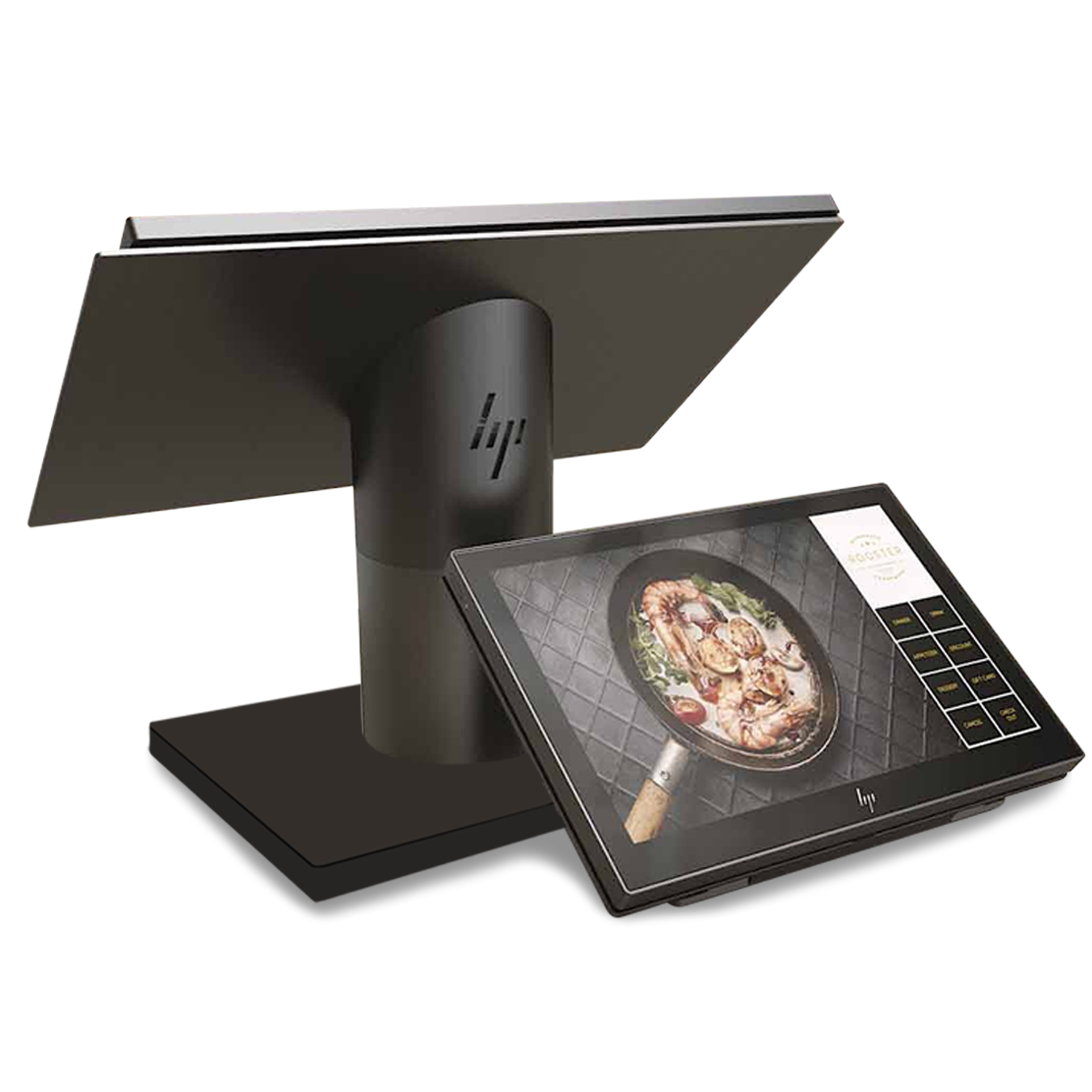
Hybrid POS+ Kiosk

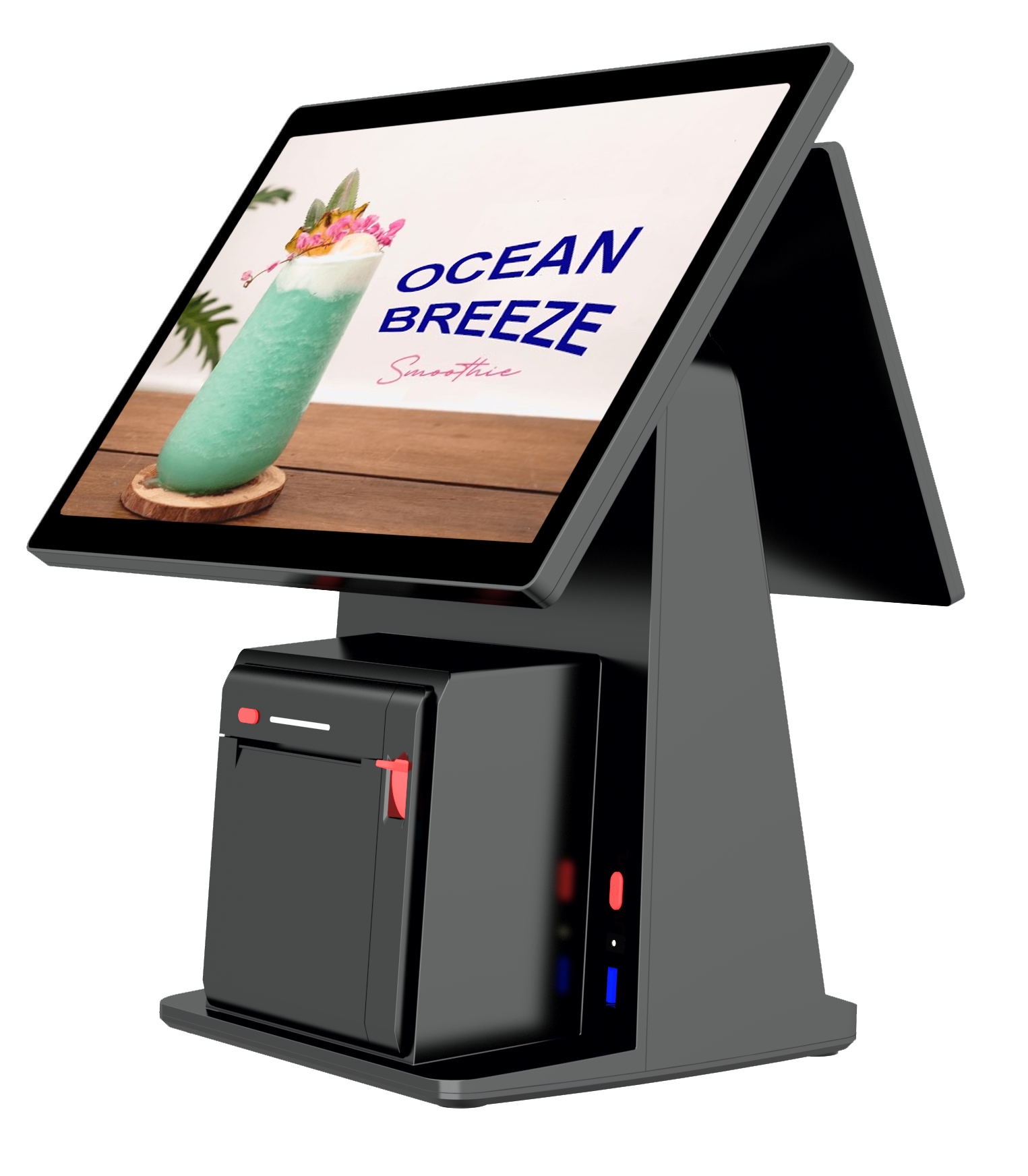
A solution that combines your POS and self ordering kiosk into one counter top friendly dual screen device. Enjoy space saving and operation flexibility

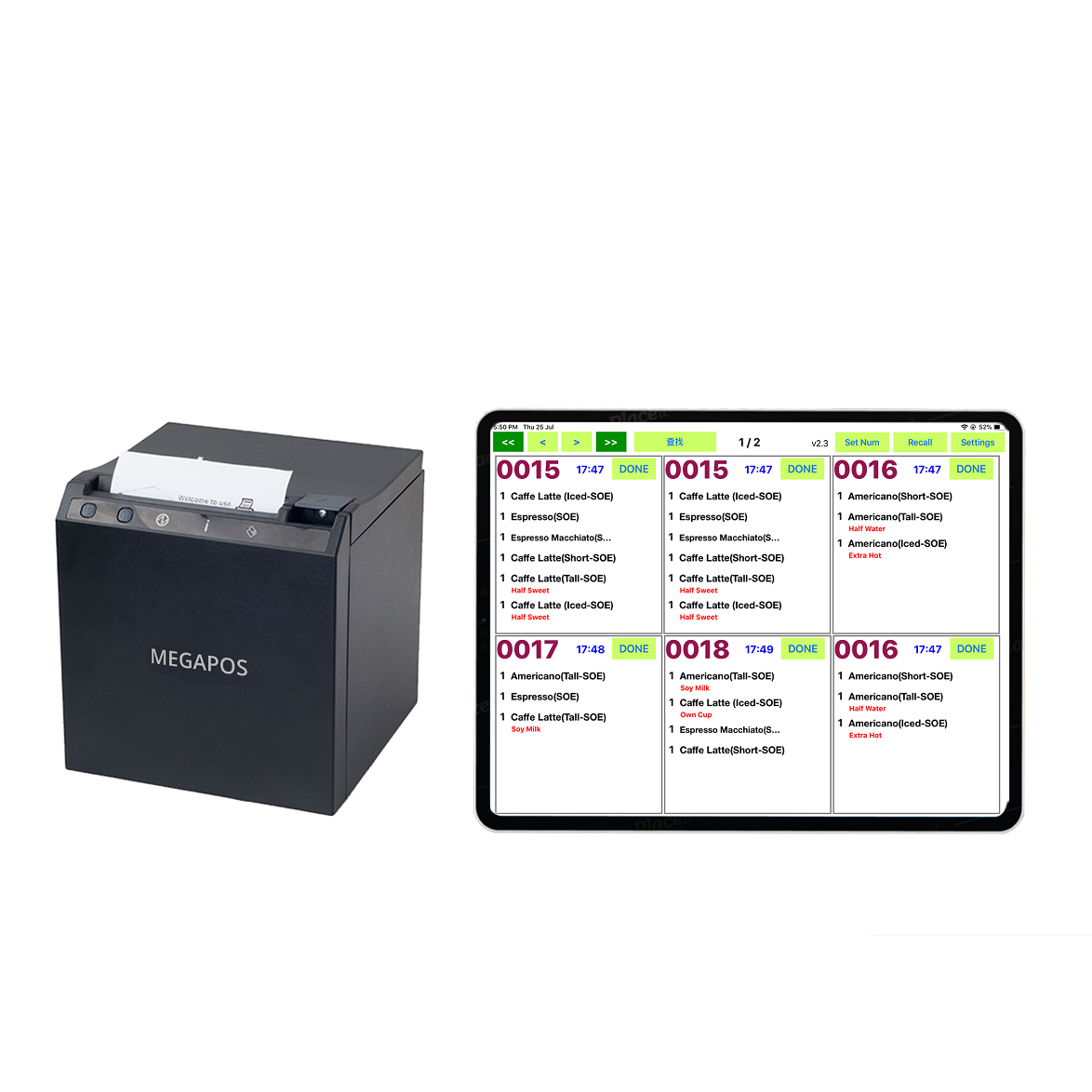
Kitchen Management

Orders from your POS system, QR ordering & Self Ordering Kiosks & GrabFood will be itemized and sent to designated kitchen department printers or display screens
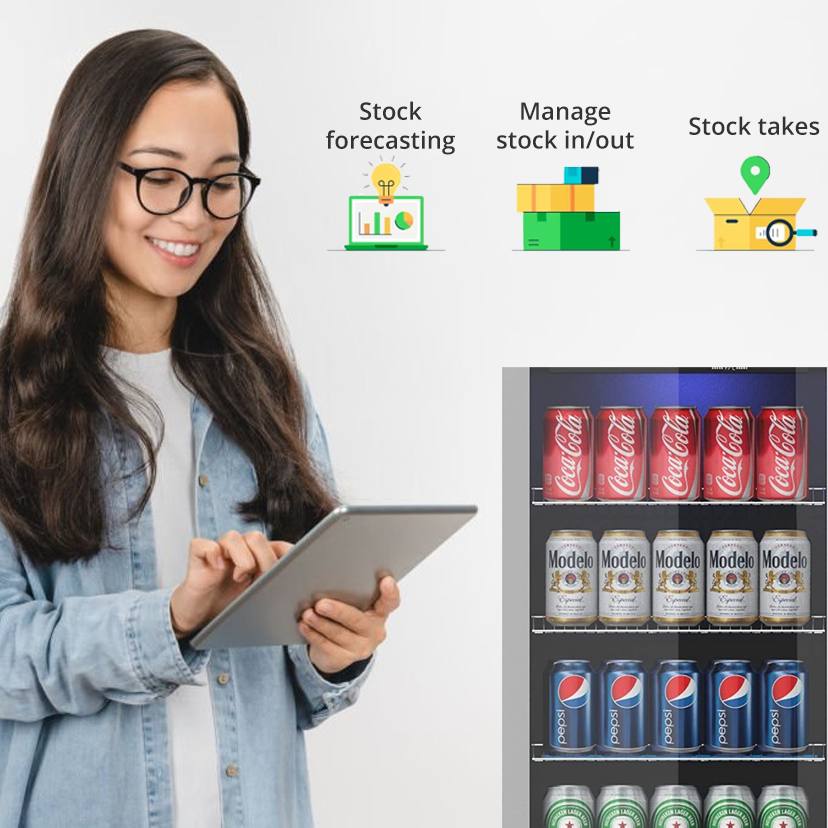
Inventory management

Linking inventory with POS enables real-time tracking, reduces wastage, automates restocking, improves cost management, and optimizes purchasing decisions.
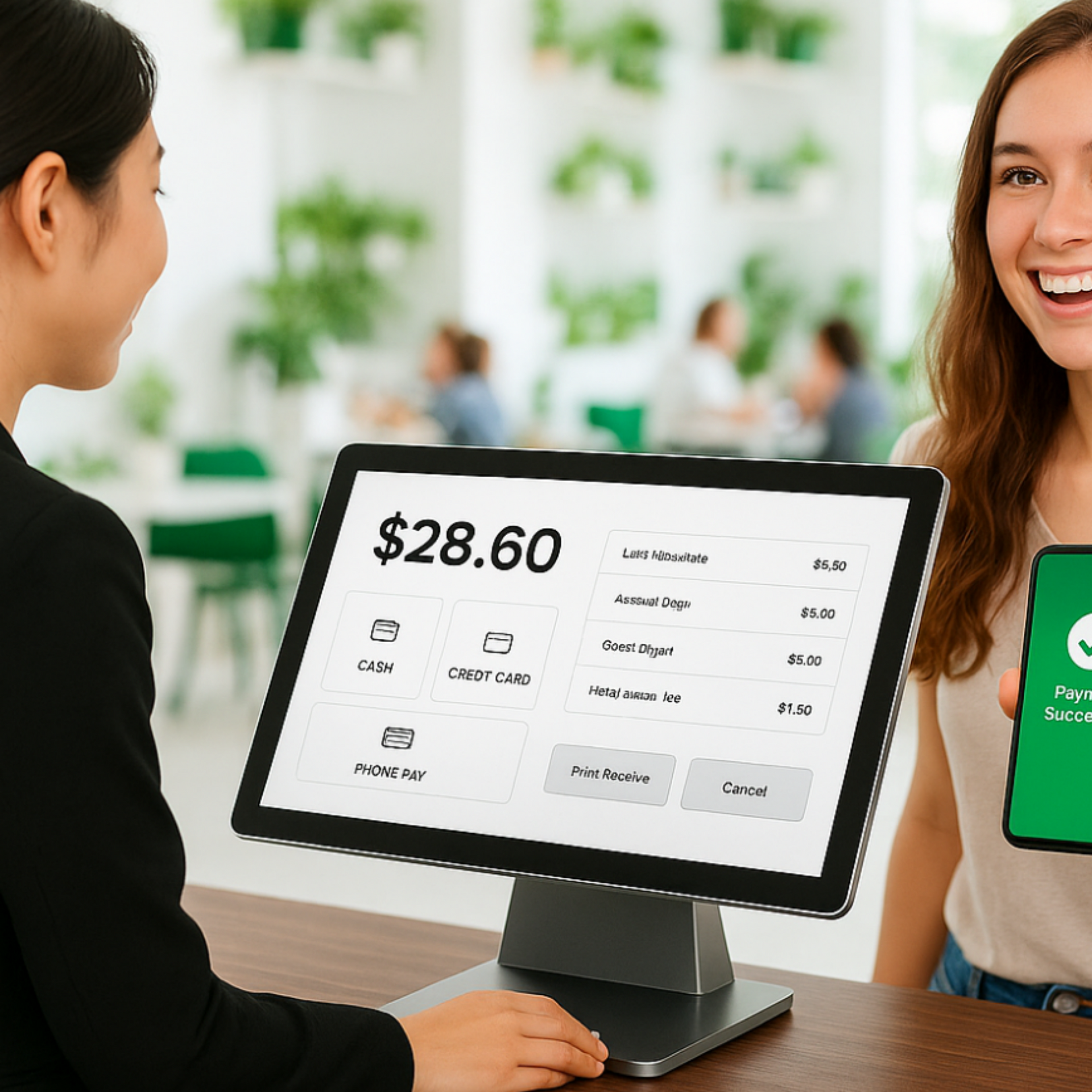
Payment

Cashless payment terminals with low rates and integrate seamlessly with POS, kiosks, and online payments.
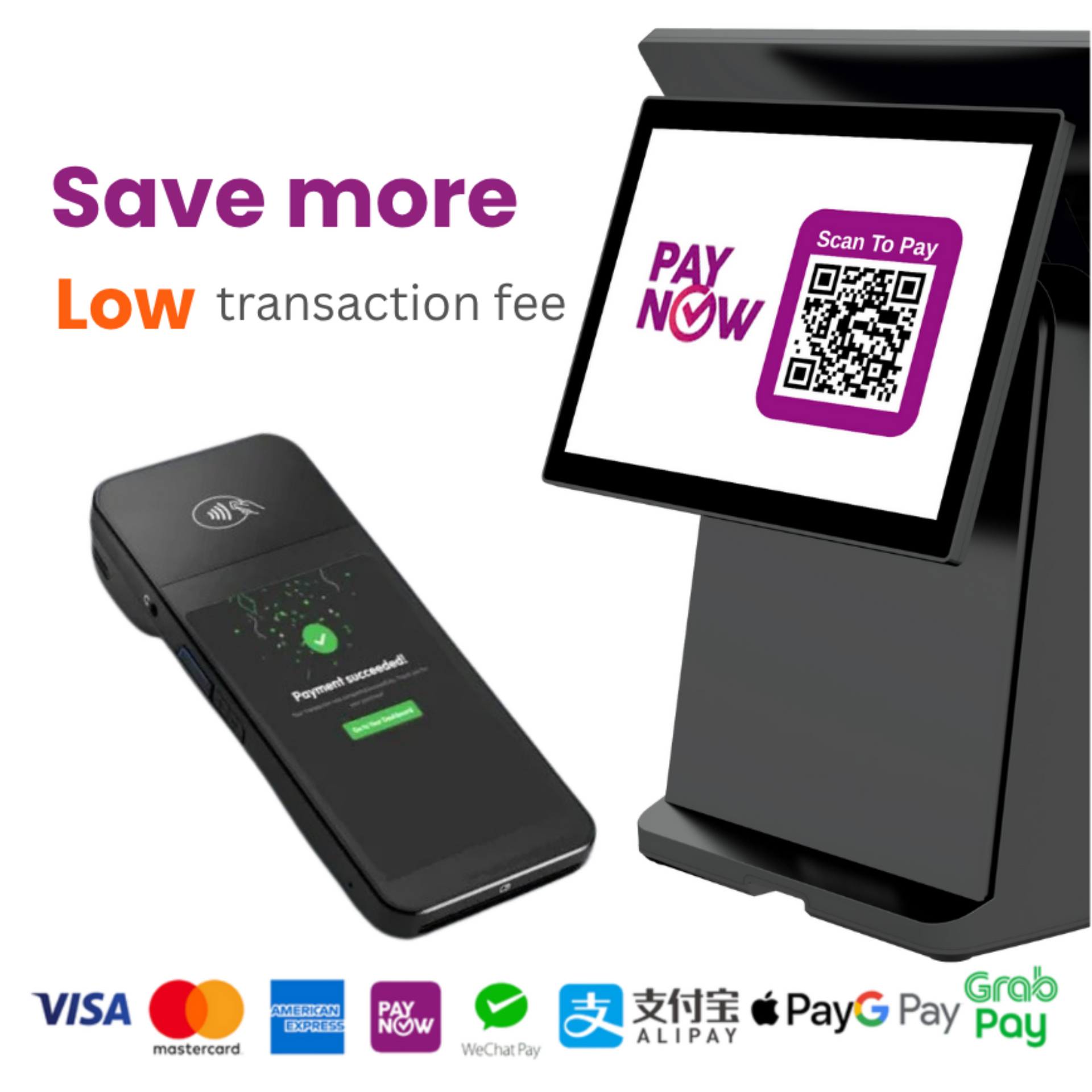
MEGAPOS Payments

Almost 0% PayNow Transaction Rates

Accurate Secure Payment

Scan PayNow QR and pay instantly.

No manual entry needed

Save Big on Transaction Fees

Save more per PayNow transaction. Think of how much you could save in transaction fees in a year!

No additional Device Needed

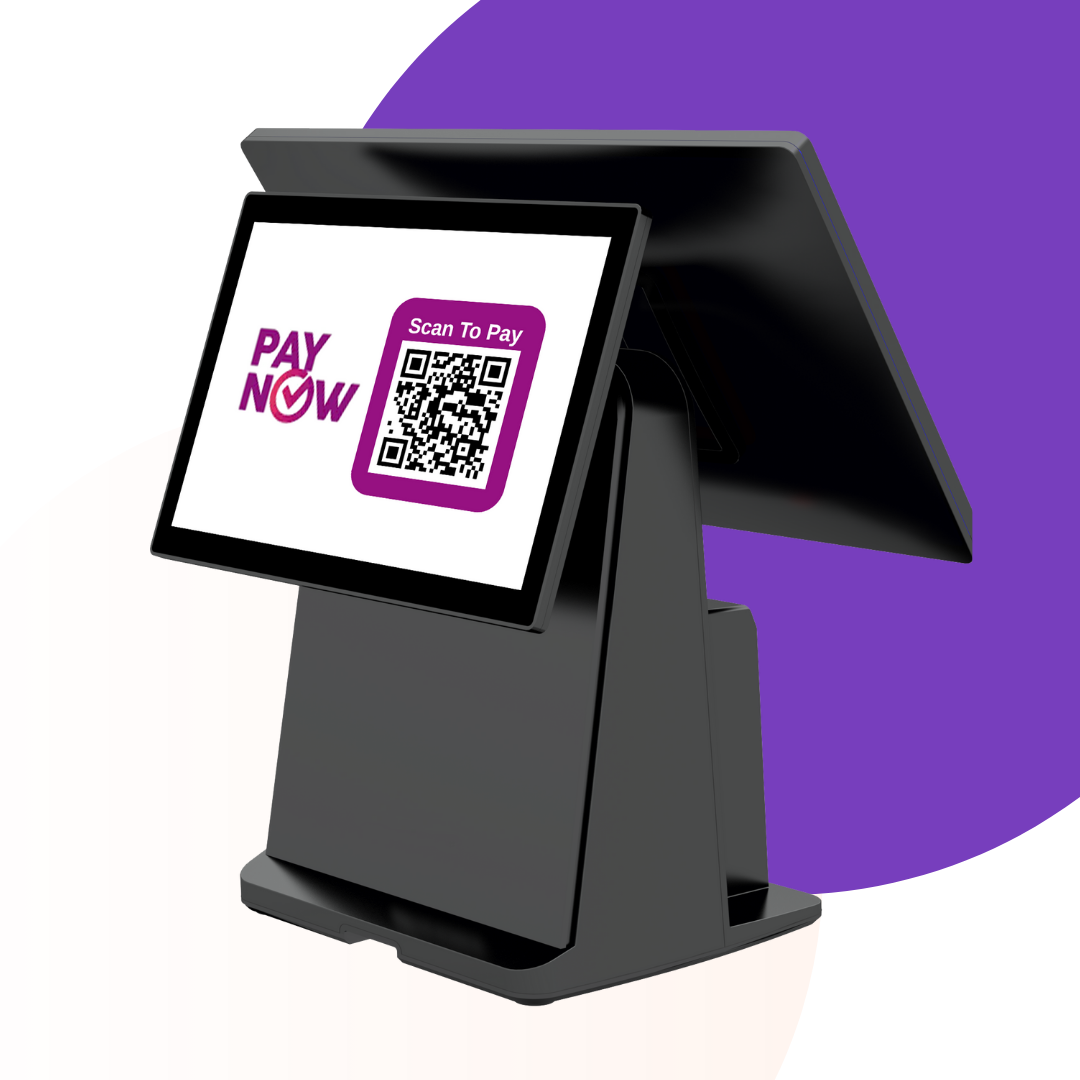
Display PayNow QR on POS terminal, QR Ordering, or Self Ordering Kiosk .
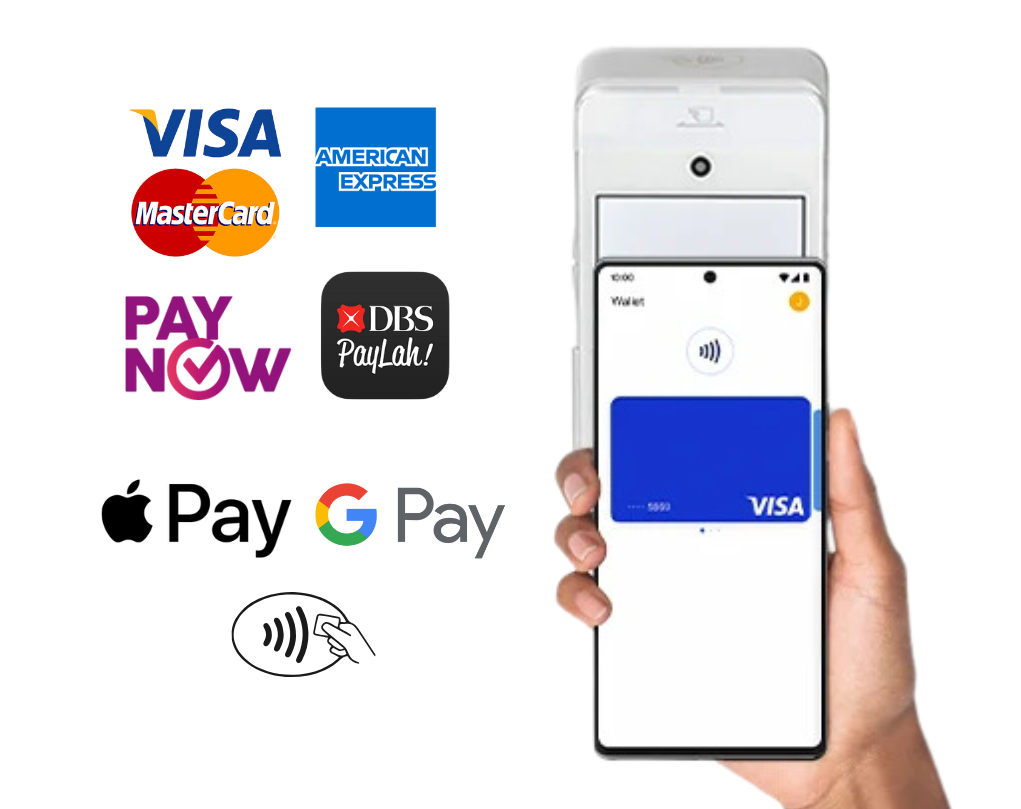
Card Payments
Links with all MEGAPOS ordering solutions

No need for multiple payment vendors

Get cashless payments at

LOWEST rates!

Accepts various payment methods
What Our POS System Users Say

The Sucre People Pte Ltd

"MegaPos system is super user friendly and their latest version comes with daily sales report , breakdown by product category.
The POS gives a good bird eye's perspective of what is performing and what is not.
They are also very quick to response if we have any queries or encounter any issues."

Fulin Bar

"Very happy with the POS system. We had Bryan to assist with all the set up from the beginning. Very helpful guy. MEGAPOS is one of the best and very easy to use POS system for F&B operations. I would reccomend this POS system to anyone starting an F&B business."

Stagelook

"Have been using megapos pos system for 5 month till date. I must give weixiang a very good thumb up. He is very prompt in responding and solving all the technical issue I’ve raise to him with immediate action. Even though I’ve still some area which is not familiar yet but he always put in his 100% effort no matter when and what time."

Swee Choon Tim Sum

Our business have been with MEGAPOS for 10 years now, in fact they pioneered the use of a POS system in our restaurant. Our business have grown leaps and bounds with them, and their constant advancement in technologies such as the recent introduction of QR code mobile ordering in our restaurant has helped us significantly. Will highly recommend MEGAPOS to any restaurant looking for a POS system!
Giselle

Megapos is so helpful to a F&B shop, it really improved our efficiency and saves manpower! Awesome product and super good service team!
Singapore Souvenir Centre

The vendor is very responsive , whenever there is a problem they will always settle fast ..MEGAPOS is much user friendly as compare to other brand .. have been using their system for 10 years 😊

POS System for all industries
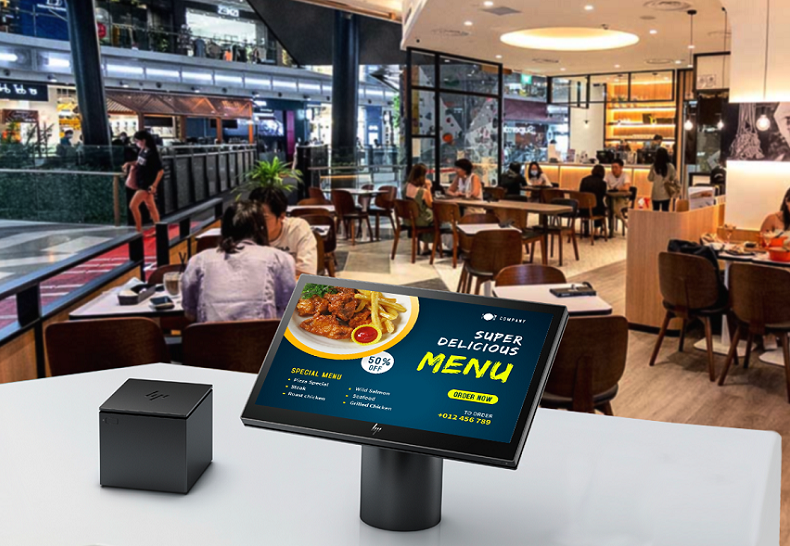
All in One F&B POS System


✓ Easy to use for fast cashiering 


 Cashless payment ready 


✓ A POS terminal that Integrates with food delivery platforms


✓ Integrated with Self Ordering Kiosks & QR ordering


✓ Integrated with kitchen printer and displays


Links with Loyalty Solution (CRM) to grow your memberbase
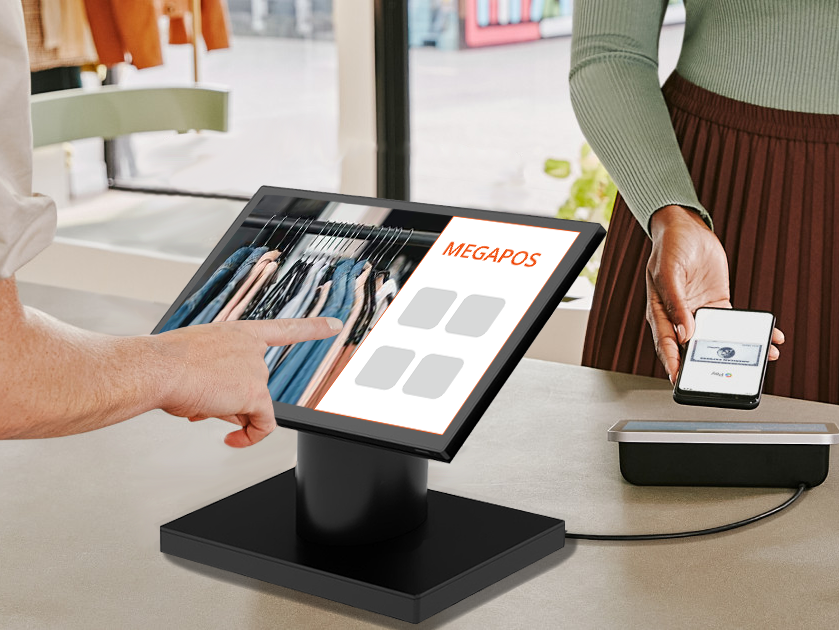

A POS system with powerful inventory management


✓ Easy to use POS machine with quick product find feature for fast cashiering


 Manage stock levels, transfers, movement and create unlimited SKUs and barcodes for products


✓ Cashless payment ready


 Integrates with loyalty solution / CRM to grow your memberbase
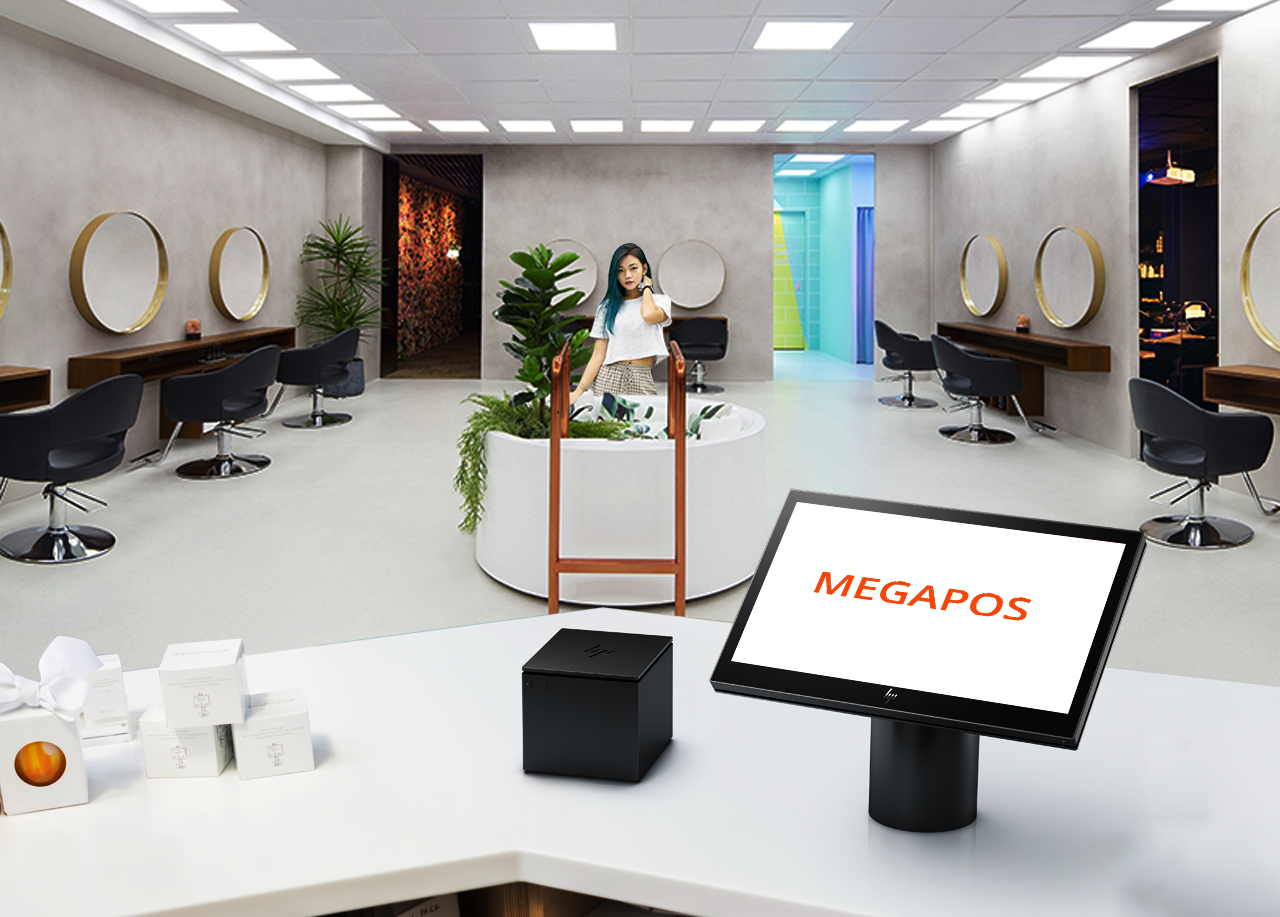

Simplify complex processes with your POS system


✓ Streamline your operations by centralising processes through your POS system


✓ Manage inventory, service packages, customer credit balance, staff commissions & more through your POS system


Integrates with loyalty solutions (CRM) to boost customer retention


Is your business based in Singapore & looking for a POS system?


Contact us

MEGAPOS Address:

160 Robinson Road 

SBF Center #26-02

Singapore 068914


Call us:

(+65) 6224 5788

Contact Us

MEGAPOS Articles

POS System updates, F&B, Retail, Beauty & Wellness industry news and tech updates
February 2, 2026
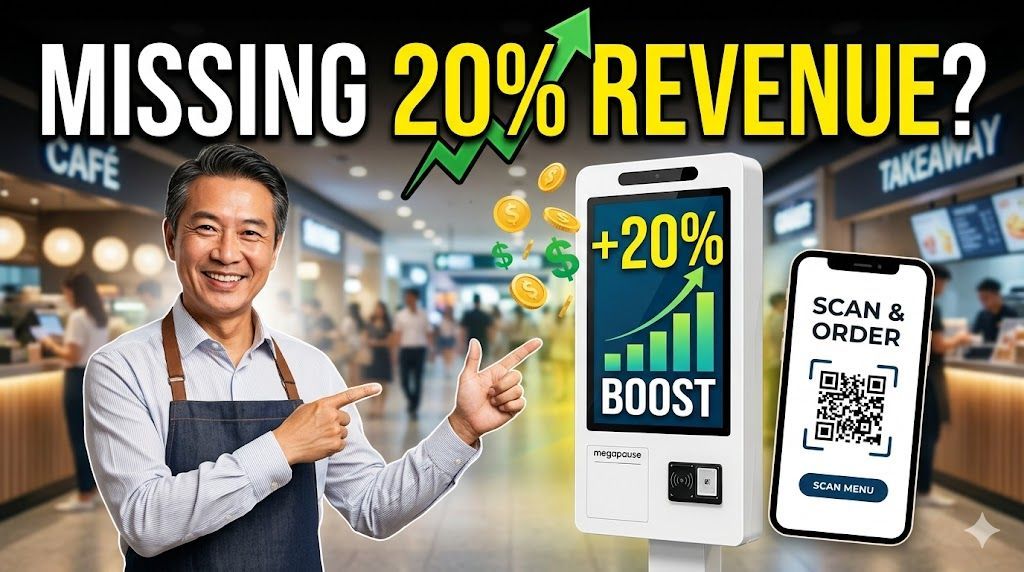
In 2026, food delivery remains a major revenue channel for restaurants in Singapore. Platforms like GrabFood and Foodpanda have become deeply embedded in consumer habits, and many F&B businesses depend on them for daily sales volume. But with rising manpower costs, rental pressures, and tighter profit margins, a crucial question is emerging:  Is relying heavily on delivery platforms still sustainable for Singapore F&B businesses? The answer is more complex than it seems. The Rise of Delivery Platforms in Singapore Food delivery platforms saw explosive growth during the pandemic, when dine-in traffic collapsed and restaurants had to pivot quickly. Even after restrictions were lifted, consumer behaviour did not fully revert. Singapore diners became accustomed to browsing menus online, comparing prices instantly, and enjoying meals delivered to their homes or offices. For many restaurants and cafés, delivery now contributes between 20% and 50% of total revenue. From a top-line perspective, this appears positive. More channels mean more visibility and more orders. However, revenue growth does not always equal sustainable profit. The Hidden Cost of Delivery Commissions One of the biggest challenges facing F&B operators in Singapore is platform commission fees, which typically range from 20% to 35% per order. When food cost already consumes 30% to 35% of revenue, and rental plus manpower account for another large portion, the remaining margin can become razor thin. If an average order is $25 and the commission is 25%, that’s $6.25 deducted immediately. Multiply that across hundreds or thousands of orders per month, and the numbers become significant. Over time, these fees can easily amount to tens of thousands of dollars annually effectively becoming a recurring operational tax. The uncomfortable reality is that some businesses are increasing revenue while simultaneously compressing profit margins. Discount Culture and the Race to the Bottom Another sustainability concern is the heavy reliance on platform promotions. Delivery apps frequently encourage flash deals, 20–30% discounts, and voucher stacking. While these campaigns drive traffic in the short term, they also condition customers to order only when discounts are available. Over time, this shifts customer loyalty away from the restaurant and toward whichever outlet offers the biggest discount that day. Instead of building brand preference, businesses become part of a price comparison ecosystem. In such an environment, differentiation becomes difficult, and profitability becomes fragile. The Ownership Problem: Who Really Owns Your Customers? Perhaps the most overlooked issue is customer ownership. When orders are placed through delivery platforms, the platform controls the customer relationship. Restaurants receive the transaction but do not fully own the customer data or communication channel. This means restaurants often have to pay commission repeatedly to reacquire the same customer. Without direct engagement tools such as membership programmes or CRM systems, long-term retention becomes dependent on platform algorithms rather than brand loyalty. In a competitive Singapore F&B market, that lack of control can be risky. A Smarter Strategy: Use Platforms for Acquisition, Build Your Own Channel for Retention The most forward-thinking F&B businesses in Singapore are not abandoning delivery platforms. Instead, they are repositioning them as customer acquisition tools rather than primary revenue engines. Delivery platforms help attract first-time customers. Once customers discover the brand, restaurants can encourage direct ordering through QR ordering systems, branded online stores, or self-pickup channels. By shifting even 20–30% of orders to direct channels, businesses can significantly improve margins. When paired with integrated POS and membership systems, direct ordering allows restaurants to track purchase behaviour, offer targeted promotions, and encourage repeat visits without paying high commission fees each time. This hybrid model reduces risk and increases long-term sustainability. Why Direct Ordering and Integrated Systems Matter Technology plays a key role in this transition. Modern F&B systems that integrate POS, QR ordering, online ordering, and membership solutions allow restaurants to centralise data and operate more efficiently. Instead of relying entirely on third-party ecosystems, businesses can build their own digital infrastructure. This provides greater control over pricing, promotions, and customer engagement, while still benefiting from platform visibility. In a cost-sensitive market like Singapore, control over margins and data is becoming a competitive advantage. The Bigger Question: Control vs Convenience Delivery platforms offer convenience, speed of setup, and built-in traffic. But convenience often comes at a cost. The question for F&B operators is not whether delivery should be used, but how much dependence is too much. Sustainability is no longer just about increasing order volume. It is about protecting profit margins, reducing external dependency, and strengthening customer retention. Restaurants that diversify their sales channels and invest in owned customer relationships are better positioned to navigate rising costs and shifting market conditions. Conclusion: Sustainable Growth Requires Balance Relying solely on delivery platforms may not be sustainable in the long term for Singapore F&B businesses. Commission fees, discount dependency, and lack of customer ownership create structural limitations that can weaken profitability over time. However, delivery platforms remain valuable when used strategically. The most resilient F&B brands combine platform exposure with direct ordering systems and loyalty programmes, allowing them to control margins while continuing to grow revenue. In today’s competitive landscape, sustainable F&B success depends not just on how much you sell but how much you keep. Interested to know more about online ordering solutions that can help you grow your memberbase, engage them, and boost repeat spends? Click here !
By Liang Wei Liaw January 30, 2026
This is a subtitle for your new post
By Liang Wei Liaw January 27, 2026
With rising wages, CPF contributions, levies, and manpower shortages, staffing has become one of the biggest cost pressures for F&B businesses in Singapore . Many operators are asking the same question: Is there a way to reduce manpower costs without sacrificing service quality? One solution that has gained rapid adoption is self-ordering kiosks , often paired with POS and QR ordering systems. The numbers show why. The True Cost of One Service Staff in Singapore Hiring just one service staff can cost an F&B business approximately: $2,340 per month $28,080 per year (Based on a $2,000 salary + 17% CPF contribution) This cost repeats every year and increases over time due to wage inflation and tighter labour regulations. Comparing Staff Cost vs Self-Ordering Technology When comparing manpower cost to technology adoption, the difference becomes clear. POS + QR Ordering Estimated Year 1 cost: ~$3,500 Year 1 savings: ~$24,500 Payback period: ~1.5 months Year 2 monthly cost: ~$100 Estimated monthly savings from Year 2: ~$2,240 Self-Ordering Kiosk Estimated cost: from ~$2,800 Year 1 savings: from ~$25,200 Payback period: 1.2–1.5 months Year 2 monthly cost: ~$150 Estimated monthly savings from Year 2: ~$2,190 POS + Self-Ordering Kiosk + QR Ordering Estimated Year 1 cost: ~$5,500 Year 1 savings: ~$22,500 Payback period: ~2.4 months Year 2 monthly cost: ~$180 Estimated monthly savings from Year 2: ~$2,160 In most cases, the system pays for itself within 1–2 months , after which the savings continue every single month. Why Self-Ordering Kiosks Save More Than Just Salary Costs The benefits go beyond replacing one staff member: Faster order taking during peak hours Reduced order errors , lowering rework and wastage Consistent upselling , increasing average order value Less dependency on manpower , especially during staff shortages Scalable operations without increasing headcount Instead of having staff tied up taking orders, teams can focus on food preparation, quality control, and customer experience . A Long-Term Investment That Pays Back Fast Unlike manpower costs that rise year after year, self-ordering systems are a one-time investment with minimal recurring costs . From Year 2 onwards, many F&B operators save over $2,000 per month , per outlet savings that go straight back into profit. Conclusion: Pays Back in Months, Saves for Years For F&B businesses facing rising manpower costs, self-ordering kiosks are no longer a “nice to have” — they are a strategic tool to stay profitable and competitive . With a payback period of just 1–2 months , self-ordering kiosks allow F&B operators to: Reduce manpower dependency Control operating costs Improve service speed Increase revenue through upselling Pays back in 1–2 months. Saves for years. Interested in finding out more about how self ordering can help you earn more and reduce costs? Click here to find out more!
Show More