F&B Cloud POS System


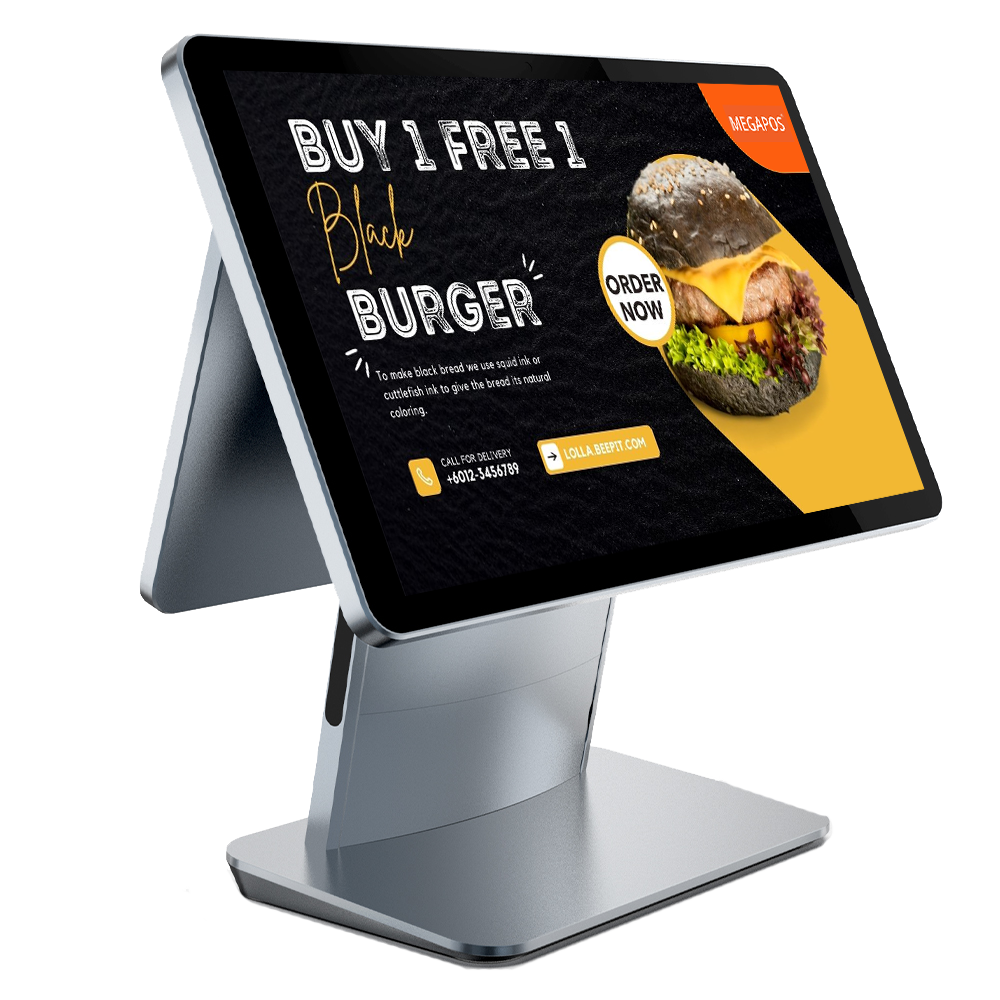
MEGAPOS provides an all in one F&B POS system for restaurants, cafes, takeaway foodstalls, hawkers and coffeeshops. Integratable with Self Ordering Kiosk, QR Ordering, Kitchen Display & Printers, Delivery platforms, cloud based backend & analytics.


Find out more through contacting us today!
Arrange a Demo
F&B cloud POS system

Restaurant cloud POS System

Perfect for dine-in restaurants with complex kitchen operations


POS for restaurant

Cafe/Food Kiosk cloud POS System

Perfect for F&B businesses that focus on quick ordering and takeaways


All-in-One POS System iPad POS for QSR

MEGAPOS Cloud POS System Highlights

Hand-picked for F&B industry


Speedy ordering

MEGAPOS F&B POS System requires less page transitions and minimum clicks on screen. All for faster and higher turnover.

Automated discounts

Create multiple discount rules based on different criteria and triggers such as date/time, member or item groups, price etc.

Ingredients consumption

Let your F&B POS System help compute the total consumption of raw ingredients from your recipe.

iPad ordering

Table-side ordering cuts down food serving time by 3 to 5 minutes, and up to 12 to 15 minutes together with Kitchen Display System.

Kitchen tech

Send items orders to specific kitchen section for printing. Build and efficient kitchen to speed up food preparation and boost efficiency

Manage multiple outlets*

Ready to scale up when you expand. MEGAPOS F&B POS system is designed to manage your multiple locations with ease.

Kitchen display

MEGAPOS Kitchen Display shows all incoming orders on tablets for much better visualization and control.

Customer database management

Organise and keep track every customer’s particulars and purchase history.

Easy Member Sign Up &

Point Redemption*

MEGAPOS F&B POS system allows your customers to sign up as members an collect points by simply filling up their name & contact number when placing their orders through QR ordering

Contact Us

A F&B POS System that helps boost member loyalty

Enhanced customer insights: Collect and analyze detailed customer data to understand preferences and behavior, allowing for personalized service and targeted marketing.


Streamlined operations: Syncing your restaurant POS and CRM systems reduces manual data entry, minimizes errors, and improves overall operational efficiency.


Increased sales & loyalty:

Use CRM data to create targeted promotions and loyalty programs, encouraging repeat visits and boosting sales.


Paperless simplified loyalty management: Automatically track and manage loyalty points, rewards, and redemptions, making it easy for customers and staff to handle.


Centralized data management:

Maintain a single, unified database for customer and transaction data, simplifying reporting and analysis.


Easily Scalable Solution

Easily scale the integrated system as your business grows, accommodating more customers, transactions, and locations.
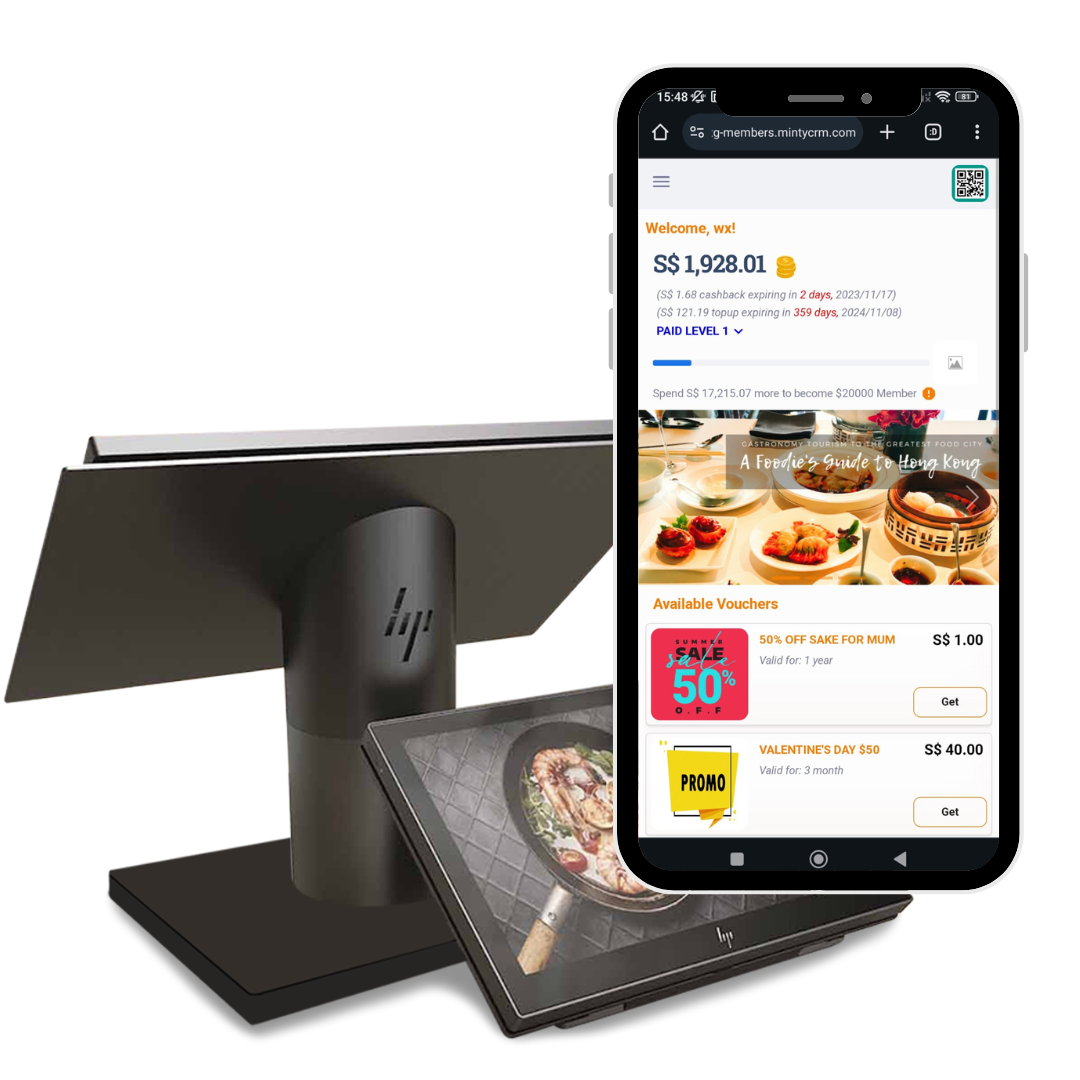
Our F&B Cloud POS System Hardware


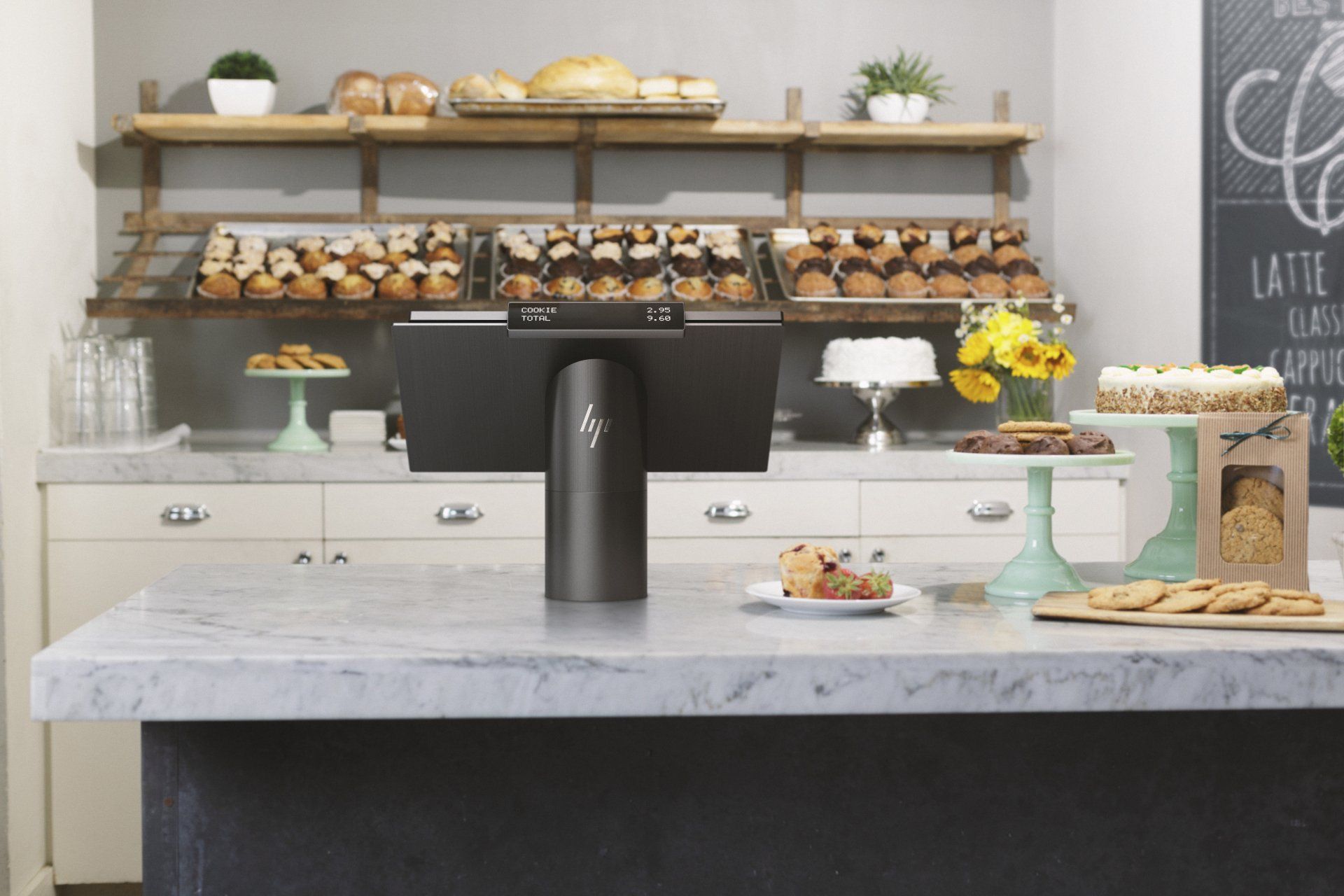
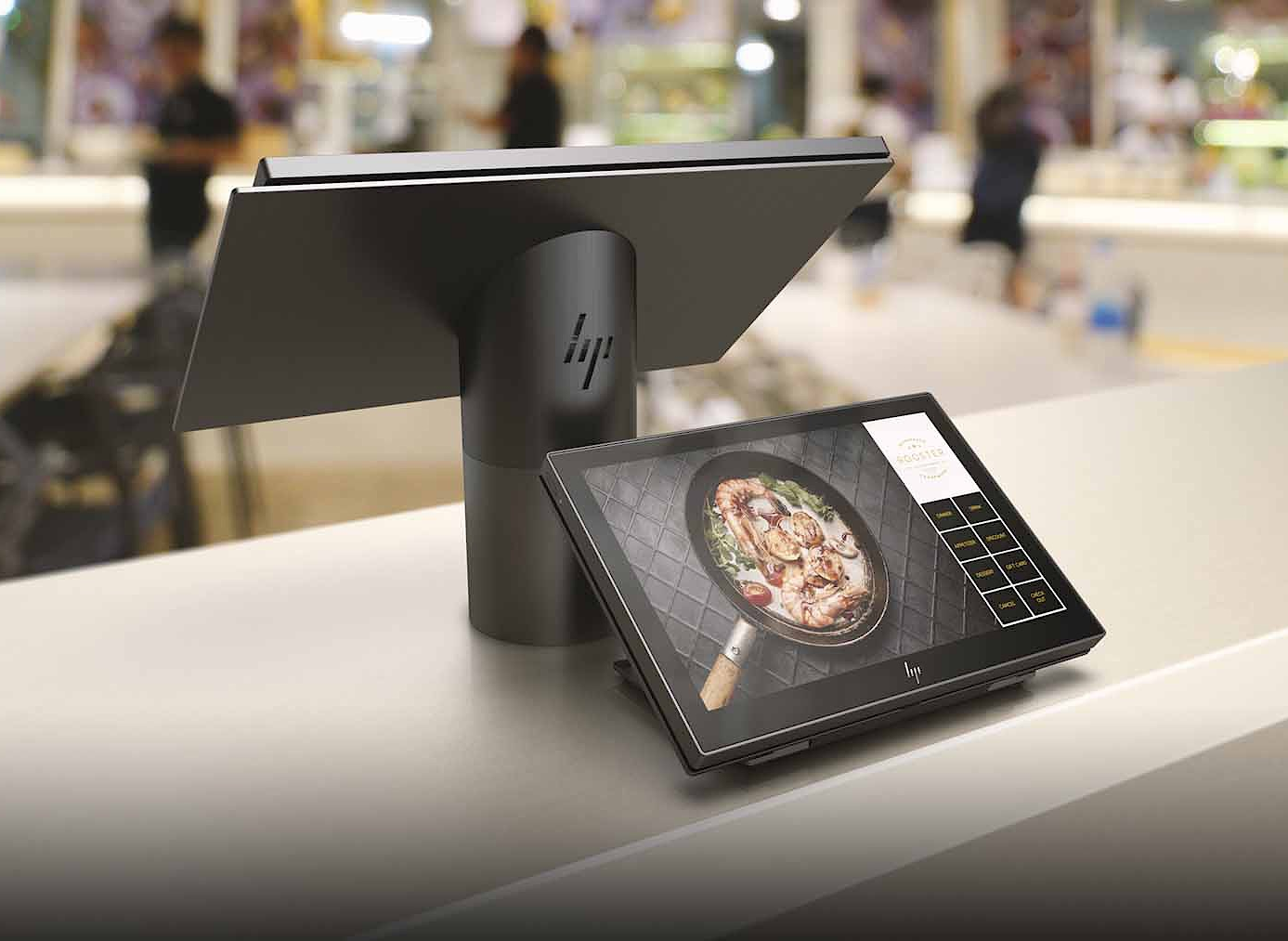
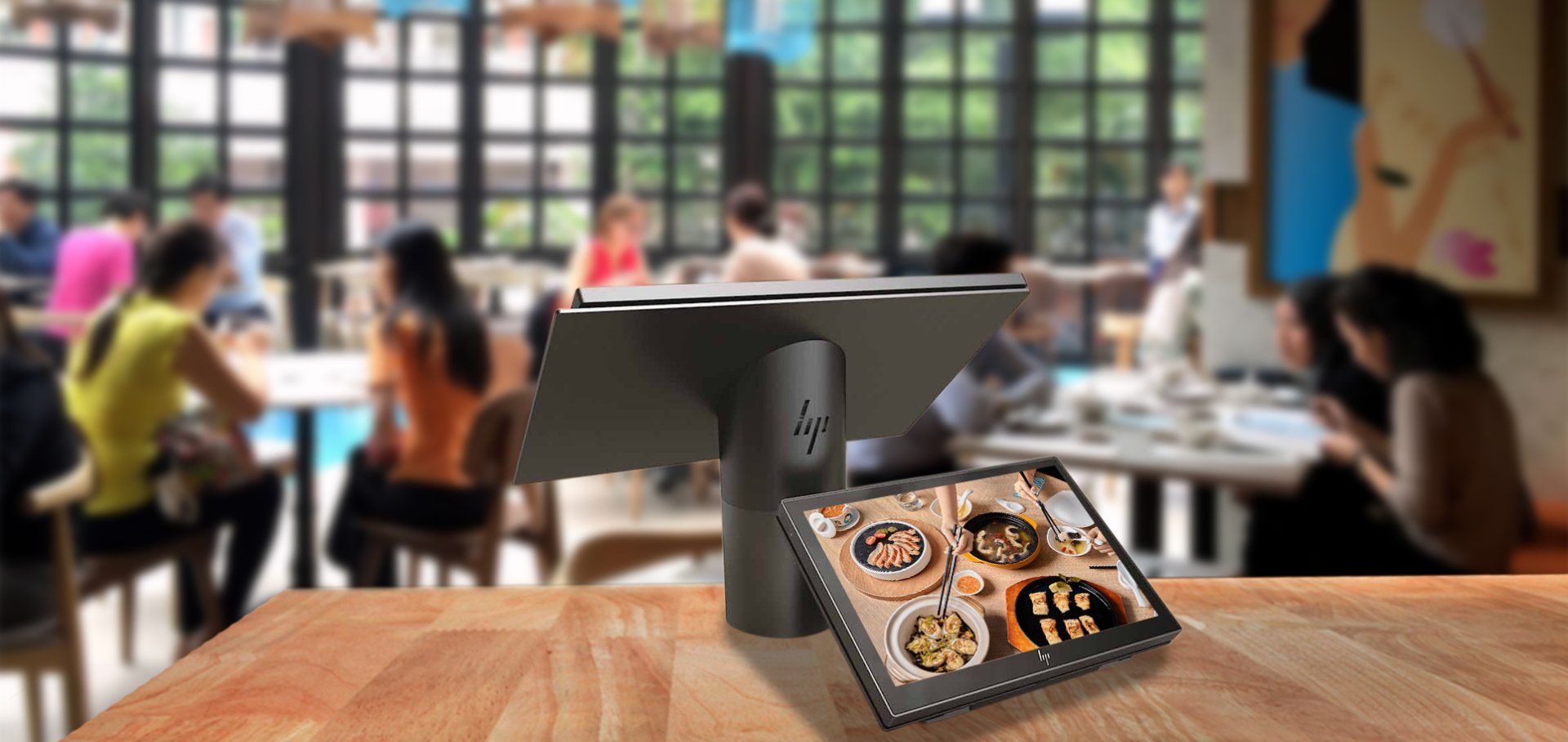
Our F&B POS system boast a comprehensive and future proof POS software coupled with a sleek and robust POS terminal from HP, one of the world's leading POS terminal producers.

Explore Solutions for your Food & Beverage POS System

To build the most efficient flow for your F&B business
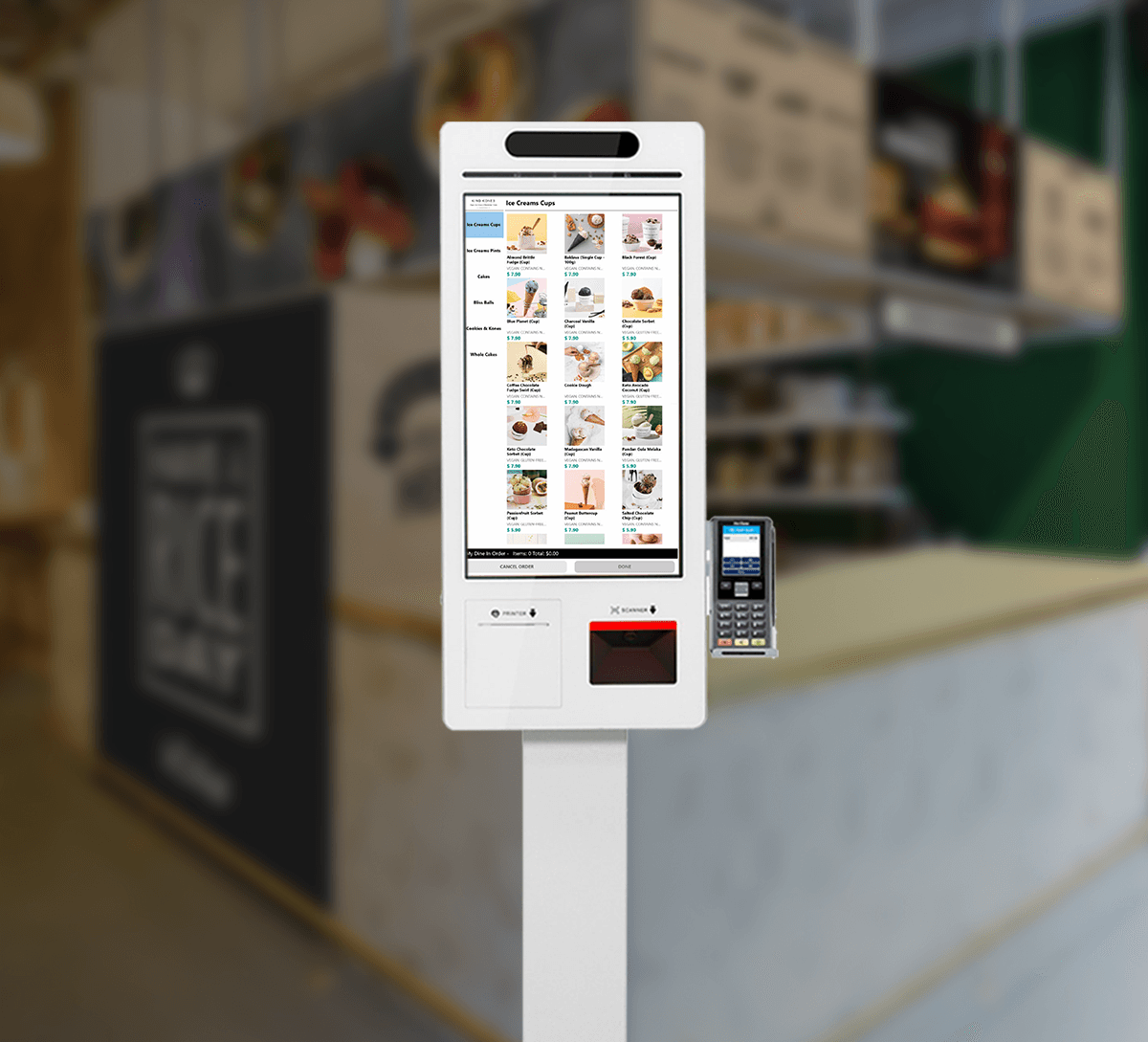

MEGAPOS Self Ordering Kiosk Restaurants

Self-Ordering Kiosk

Reduce dependence on manpower for manual order taking & encourage customers to self-order.

Find out more
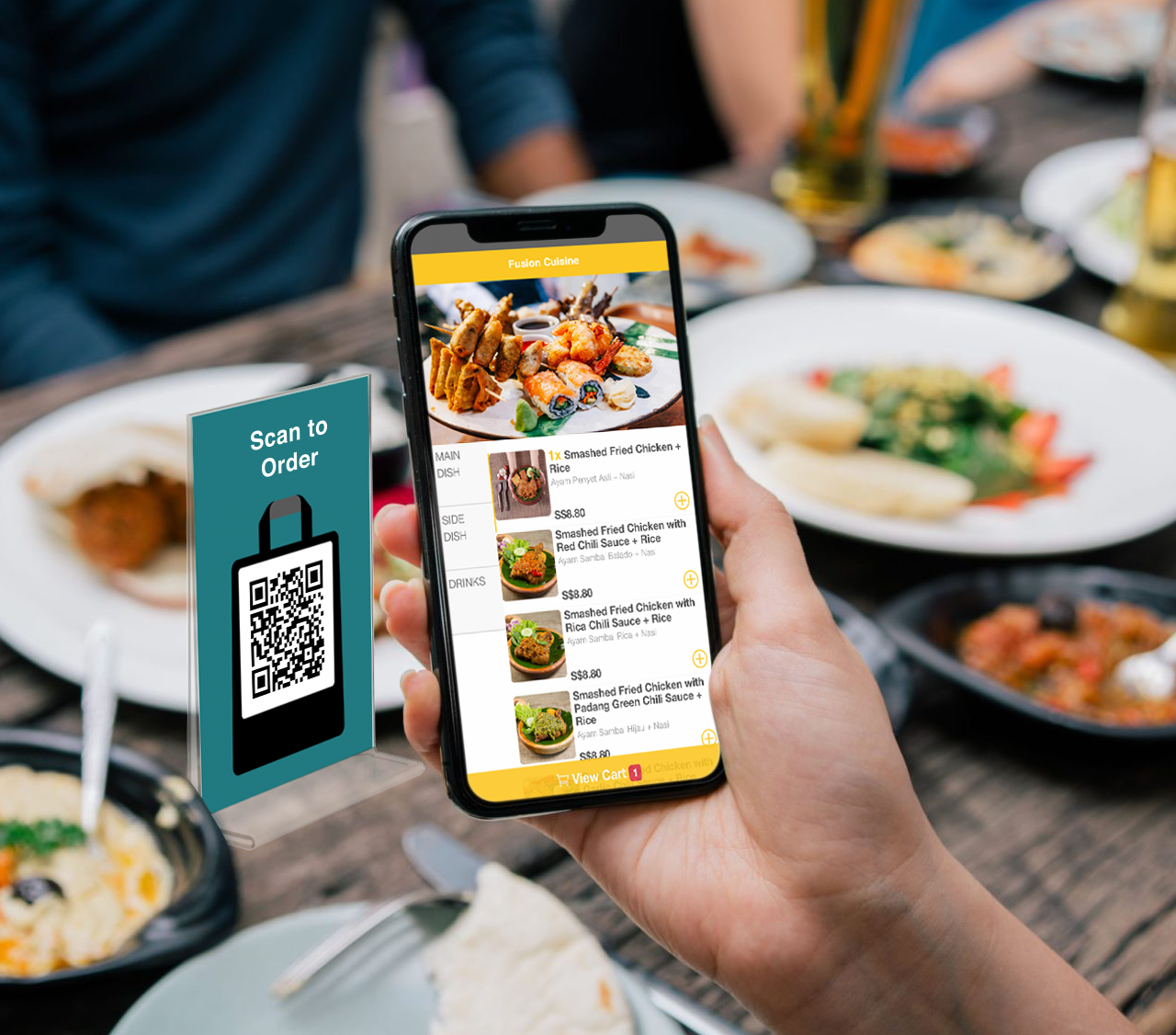
MEGAPOS QR Ordering Restaurant

QR Ordering

Allows restaurant customers to scan a QR code and place orders.


Find out more
MEGAPOS Hybrid Restaurant

MEGAPOS Hybrid

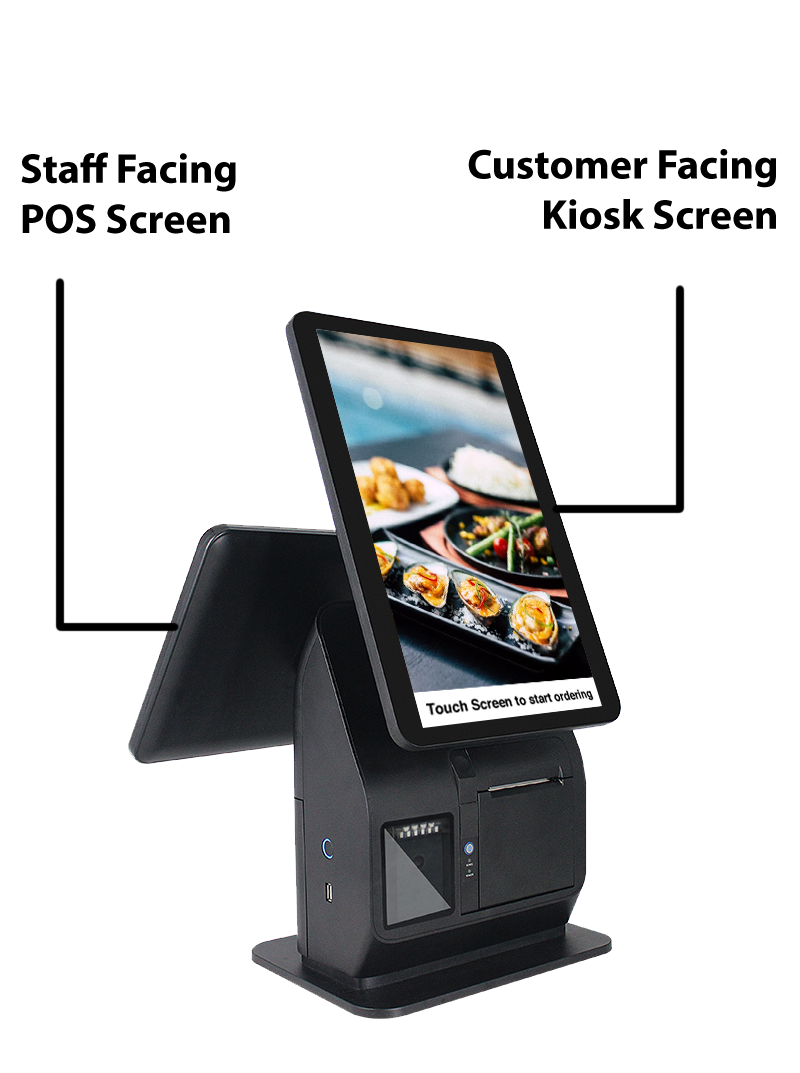
A POS & self-ordering kiosk combined into a sleek dual screen solution.


Find out more

Is your business based in Singapore and looking for a F&B POS System?

Contact Us


Fill up your contact details to proceed to the demo booking page.

MEGAPOS Address:

160 Robinson Road 

SBF Center #26-02

Singapore 068914


Call us:

(+65) 6224 5788

Contact Us

Useful F&B Industry Reads

F&B POS system and self ordering solutions tech updates, F&B business tips and client success case studies
February 2, 2026
In 2026, food delivery remains a major revenue channel for restaurants in Singapore. Platforms like GrabFood and Foodpanda have become deeply embedded in consumer habits, and many F&B businesses depend on them for daily sales volume. But with rising manpower costs, rental pressures, and tighter profit margins, a crucial question is emerging:  Is relying heavily on delivery platforms still sustainable for Singapore F&B businesses? The answer is more complex than it seems. The Rise of Delivery Platforms in Singapore Food delivery platforms saw explosive growth during the pandemic, when dine-in traffic collapsed and restaurants had to pivot quickly. Even after restrictions were lifted, consumer behaviour did not fully revert. Singapore diners became accustomed to browsing menus online, comparing prices instantly, and enjoying meals delivered to their homes or offices. For many restaurants and cafés, delivery now contributes between 20% and 50% of total revenue. From a top-line perspective, this appears positive. More channels mean more visibility and more orders. However, revenue growth does not always equal sustainable profit. The Hidden Cost of Delivery Commissions One of the biggest challenges facing F&B operators in Singapore is platform commission fees, which typically range from 20% to 35% per order. When food cost already consumes 30% to 35% of revenue, and rental plus manpower account for another large portion, the remaining margin can become razor thin. If an average order is $25 and the commission is 25%, that’s $6.25 deducted immediately. Multiply that across hundreds or thousands of orders per month, and the numbers become significant. Over time, these fees can easily amount to tens of thousands of dollars annually effectively becoming a recurring operational tax. The uncomfortable reality is that some businesses are increasing revenue while simultaneously compressing profit margins. Discount Culture and the Race to the Bottom Another sustainability concern is the heavy reliance on platform promotions. Delivery apps frequently encourage flash deals, 20–30% discounts, and voucher stacking. While these campaigns drive traffic in the short term, they also condition customers to order only when discounts are available. Over time, this shifts customer loyalty away from the restaurant and toward whichever outlet offers the biggest discount that day. Instead of building brand preference, businesses become part of a price comparison ecosystem. In such an environment, differentiation becomes difficult, and profitability becomes fragile. The Ownership Problem: Who Really Owns Your Customers? Perhaps the most overlooked issue is customer ownership. When orders are placed through delivery platforms, the platform controls the customer relationship. Restaurants receive the transaction but do not fully own the customer data or communication channel. This means restaurants often have to pay commission repeatedly to reacquire the same customer. Without direct engagement tools such as membership programmes or CRM systems, long-term retention becomes dependent on platform algorithms rather than brand loyalty. In a competitive Singapore F&B market, that lack of control can be risky. A Smarter Strategy: Use Platforms for Acquisition, Build Your Own Channel for Retention The most forward-thinking F&B businesses in Singapore are not abandoning delivery platforms. Instead, they are repositioning them as customer acquisition tools rather than primary revenue engines. Delivery platforms help attract first-time customers. Once customers discover the brand, restaurants can encourage direct ordering through QR ordering systems, branded online stores, or self-pickup channels. By shifting even 20–30% of orders to direct channels, businesses can significantly improve margins. When paired with integrated POS and membership systems, direct ordering allows restaurants to track purchase behaviour, offer targeted promotions, and encourage repeat visits without paying high commission fees each time. This hybrid model reduces risk and increases long-term sustainability. Why Direct Ordering and Integrated Systems Matter Technology plays a key role in this transition. Modern F&B systems that integrate POS, QR ordering, online ordering, and membership solutions allow restaurants to centralise data and operate more efficiently. Instead of relying entirely on third-party ecosystems, businesses can build their own digital infrastructure. This provides greater control over pricing, promotions, and customer engagement, while still benefiting from platform visibility. In a cost-sensitive market like Singapore, control over margins and data is becoming a competitive advantage. The Bigger Question: Control vs Convenience Delivery platforms offer convenience, speed of setup, and built-in traffic. But convenience often comes at a cost. The question for F&B operators is not whether delivery should be used, but how much dependence is too much. Sustainability is no longer just about increasing order volume. It is about protecting profit margins, reducing external dependency, and strengthening customer retention. Restaurants that diversify their sales channels and invest in owned customer relationships are better positioned to navigate rising costs and shifting market conditions. Conclusion: Sustainable Growth Requires Balance Relying solely on delivery platforms may not be sustainable in the long term for Singapore F&B businesses. Commission fees, discount dependency, and lack of customer ownership create structural limitations that can weaken profitability over time. However, delivery platforms remain valuable when used strategically. The most resilient F&B brands combine platform exposure with direct ordering systems and loyalty programmes, allowing them to control margins while continuing to grow revenue. In today’s competitive landscape, sustainable F&B success depends not just on how much you sell but how much you keep. Interested to know more about online ordering solutions that can help you grow your memberbase, engage them, and boost repeat spends? Click here !
By Liang Wei Liaw January 30, 2026
This is a subtitle for your new post
By Liang Wei Liaw January 27, 2026
With rising wages, CPF contributions, levies, and manpower shortages, staffing has become one of the biggest cost pressures for F&B businesses in Singapore . Many operators are asking the same question: Is there a way to reduce manpower costs without sacrificing service quality? One solution that has gained rapid adoption is self-ordering kiosks , often paired with POS and QR ordering systems. The numbers show why. The True Cost of One Service Staff in Singapore Hiring just one service staff can cost an F&B business approximately: $2,340 per month $28,080 per year (Based on a $2,000 salary + 17% CPF contribution) This cost repeats every year and increases over time due to wage inflation and tighter labour regulations. Comparing Staff Cost vs Self-Ordering Technology When comparing manpower cost to technology adoption, the difference becomes clear. POS + QR Ordering Estimated Year 1 cost: ~$3,500 Year 1 savings: ~$24,500 Payback period: ~1.5 months Year 2 monthly cost: ~$100 Estimated monthly savings from Year 2: ~$2,240 Self-Ordering Kiosk Estimated cost: from ~$2,800 Year 1 savings: from ~$25,200 Payback period: 1.2–1.5 months Year 2 monthly cost: ~$150 Estimated monthly savings from Year 2: ~$2,190 POS + Self-Ordering Kiosk + QR Ordering Estimated Year 1 cost: ~$5,500 Year 1 savings: ~$22,500 Payback period: ~2.4 months Year 2 monthly cost: ~$180 Estimated monthly savings from Year 2: ~$2,160 In most cases, the system pays for itself within 1–2 months , after which the savings continue every single month. Why Self-Ordering Kiosks Save More Than Just Salary Costs The benefits go beyond replacing one staff member: Faster order taking during peak hours Reduced order errors , lowering rework and wastage Consistent upselling , increasing average order value Less dependency on manpower , especially during staff shortages Scalable operations without increasing headcount Instead of having staff tied up taking orders, teams can focus on food preparation, quality control, and customer experience . A Long-Term Investment That Pays Back Fast Unlike manpower costs that rise year after year, self-ordering systems are a one-time investment with minimal recurring costs . From Year 2 onwards, many F&B operators save over $2,000 per month , per outlet savings that go straight back into profit. Conclusion: Pays Back in Months, Saves for Years For F&B businesses facing rising manpower costs, self-ordering kiosks are no longer a “nice to have” — they are a strategic tool to stay profitable and competitive . With a payback period of just 1–2 months , self-ordering kiosks allow F&B operators to: Reduce manpower dependency Control operating costs Improve service speed Increase revenue through upselling Pays back in 1–2 months. Saves for years. Interested in finding out more about how self ordering can help you earn more and reduce costs? Click here to find out more!
By Liang Wei Liaw January 26, 2026
Located in Yishun , Hai Ge Ji ( 海哥记) Beef Noodles is a rising name in Singapore’s food scene. The concept is a collaboration between two local celebrities and the well-known Hwa Heng Beef Noodles , bringing together strong brand recognition and decades of beef noodle expertise. What makes Hai Ge Ji Beef Noodles stand out further is that it is Muslim-owned and Halal-certified , making its comforting beef noodles accessible to a wider audience. The stall has also garnered numerous positive reviews, with customers frequently praising the rich, flavourful broth and tender sliced beef that melts in the mouth . Designed for Efficiency in a High-Demand Environment To support smooth operations during busy periods, Hai Ge Ji (海哥记 )Beef Noodles uses a MEGAPOS wall-mounted self-ordering kiosk . This setup allows customers to place their own orders, reducing reliance on manpower while maintaining service speed and accuracy. The wall-mounted kiosk is designed with: A scrollable advertising screen to showcase the latest dishes and promotions A clear and intuitive user interface that guides customers through the ordering process Flexible order modification options Automatic upsell prompts before checkout , encouraging add-ons and upgrades These features work together to improve order accuracy, shorten queues, and create a more efficient ordering experience. Increasing Average Bill Size Through Smart Upselling Beyond manpower savings, the self-ordering kiosk also helps increase revenue. As customers browse the menu and customise their orders, the system intelligently suggests add-ons and upgrades. This has proven effective in increasing average bill size , as customers are more likely to explore options when ordering at their own pace. By combining self-ordering with automated upselling, Hai Ge Ji (海哥记 ) Beef Noodles is able to operate leaner while improving profit margins — without compromising on customer experience. A Modern Approach to Running an F&B Business Hai Ge Ji (海哥记) Beef Noodles demonstrates how traditional food concepts can benefit from modern F&B technology. By adopting self-ordering kiosks, the brand improves operational efficiency, reduces manpower dependency, and drives higher per-order value all while delivering the quality and taste customers expect. If you’re looking to increase profit margins, reduce manpower reliance, and streamline operations for your F&B business, MEGAPOS offers solutions designed to help you do just that. Contact MEGAPOS by clicking here to find out more.
Show More