零售收银系统

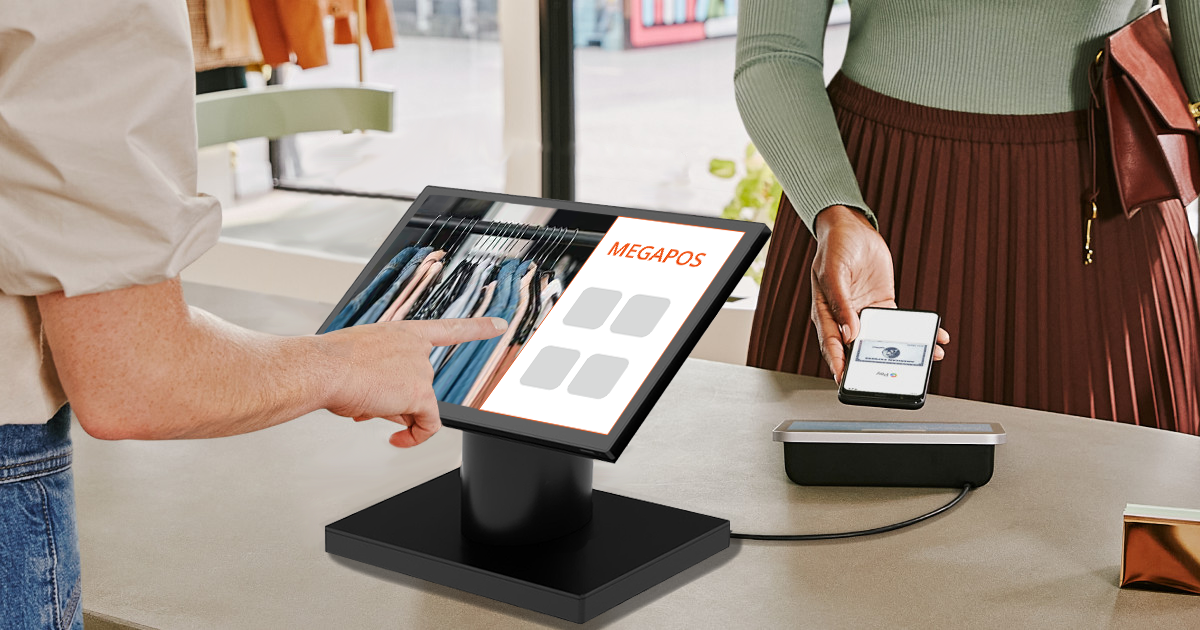
选择 MEGAPOS 零售收银系统,能够帮助您为顾客提供他们所期待的一站式服务体验。


MEGAPOS 零售收银系统让您全面掌握顾客、库存、交易与数据,实现 360 度全方位视角,为您的零售业务提供成功所需的基础条件,并支持您制定最大化增长的战略决策。

联系我们
retail pos system

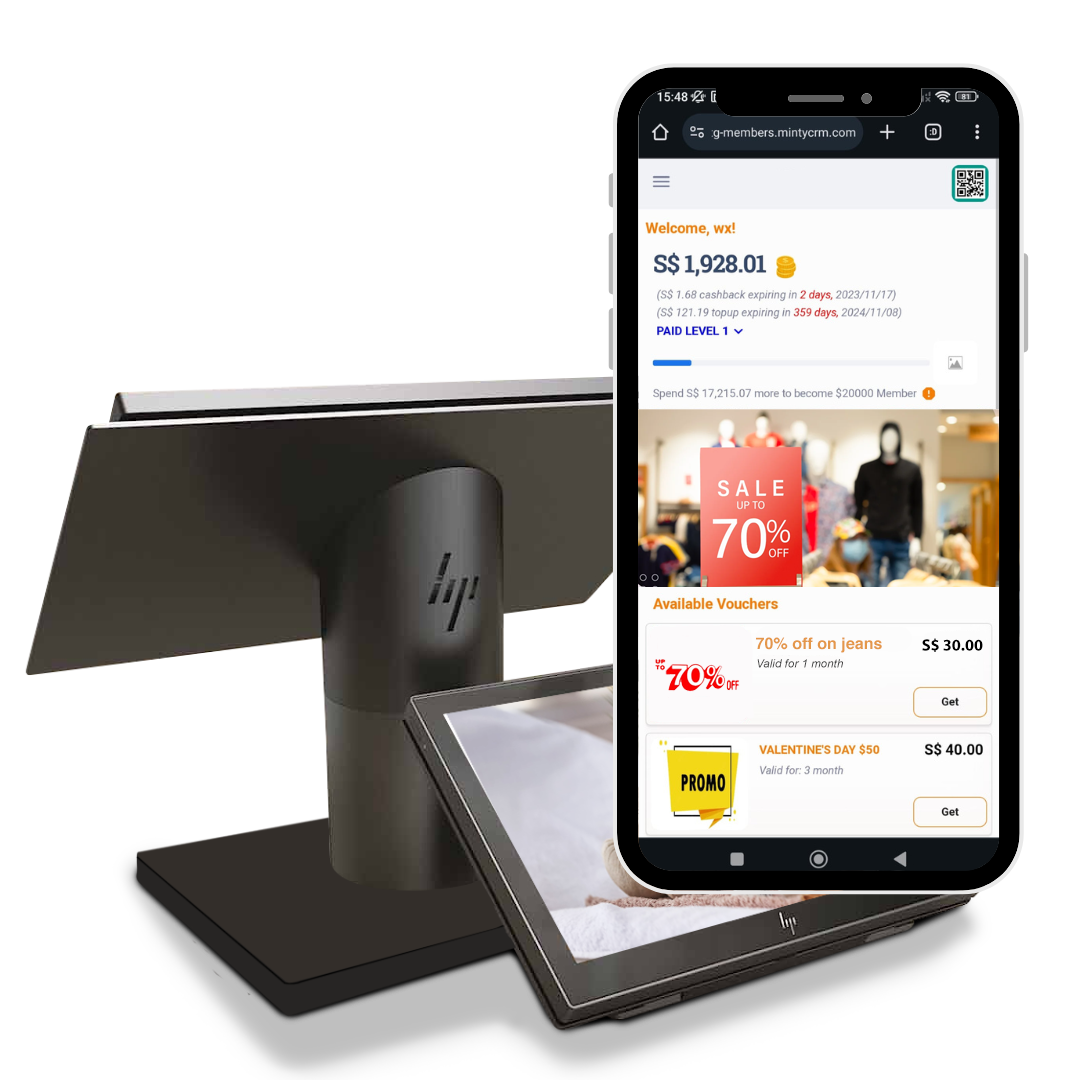
零售收银系统与会员管理系统无缝结合

鼓励顾客重复到访与再次消费

  • 提升客户留存

    忠诚奖励:提供积分、专属折扣和特别优惠,鼓励顾客重复到访与购买。


    个性化优惠:利用零售收银系统与 会员管理方案的顾客数据制定个性化促销和奖励,提升购物体验并增强忠诚度。

  • 更深入了解会员

    购买记录追踪:零售收银系统搭配会员模块,将销售、库存与会员数据结合,提供顾客偏好和购买行为的宝贵洞察。


    目标营销:通过数据分析,开展更有针对性的营销活动,提高营销效果。

  • 精简运营

    一体化系统:将销售、库存和会员管理整合到一个系统中,减少人工工作和错误。


    集中化流程:通过 POS 系统集中管理积分兑换,为会员带来顺畅体验。

  • 提升销售与现金流

    促进销售:通过奖励和激励措施,鼓励顾客增加消费金额。


    提升现金流:让顾客预购代金券或充值电子钱包,促进回头客。

  • 改善顾客体验

    更快结账:积分兑换和会员折扣集中于 POS 系统,加快结账速度。


    一致体验:无论在线或线下,提供一致的会员体验,确保顾客满意。

  • 更好的库存管理

    数据驱动决策:POS 系统集中库存与会员数据,便于预测需求并更有效地管理库存。


    减少浪费:根据顾客偏好与购买历史优化库存水平,降低库存积压。

    Button
  • 加强顾客沟通

    直接互动:通过会员计划与顾客直接沟通,推送新品、促销和活动信息。


    反馈与评价:通过会员线上门户收集反馈与评价,帮助改进产品和服务。

    Button
  • 提升品牌忠诚度

    品牌推广者:忠诚顾客会自发向亲友推荐您的店铺。


    专属会员福利:提供专属活动、抢先体验和特别奖励,让会员感受到被重视。

    Button
  • 竞争优势

    差异化:通过全面的会员计划,在竞争中脱颖而出。


    客户留存:强大的忠诚计划有助于留住顾客,避免他们流向竞争对手。

    Button

零售收银系统主要功能

专为零售业量身定制


条码打印

为每件商品快速打印条码,并通过条码扫描器轻松录入顾客订单。

自动邮件报表

报表会及时发送至相关人员邮箱,方便即时查看业绩。随时随地获取现成报表。

智能业务报表

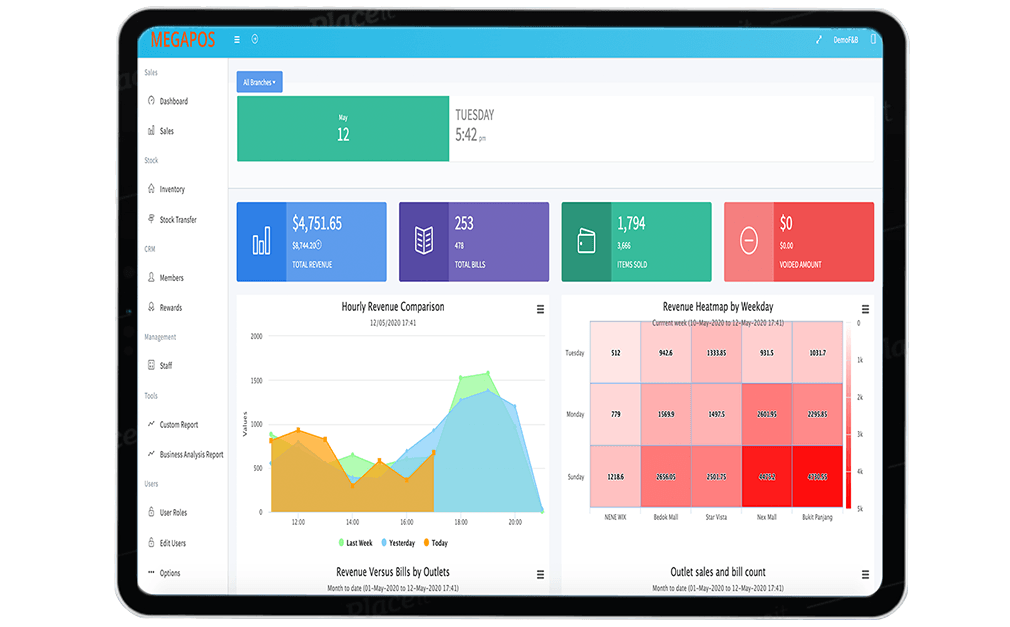
实时智能分析报表,帮助您提升业务表现和利润率。

库存报表

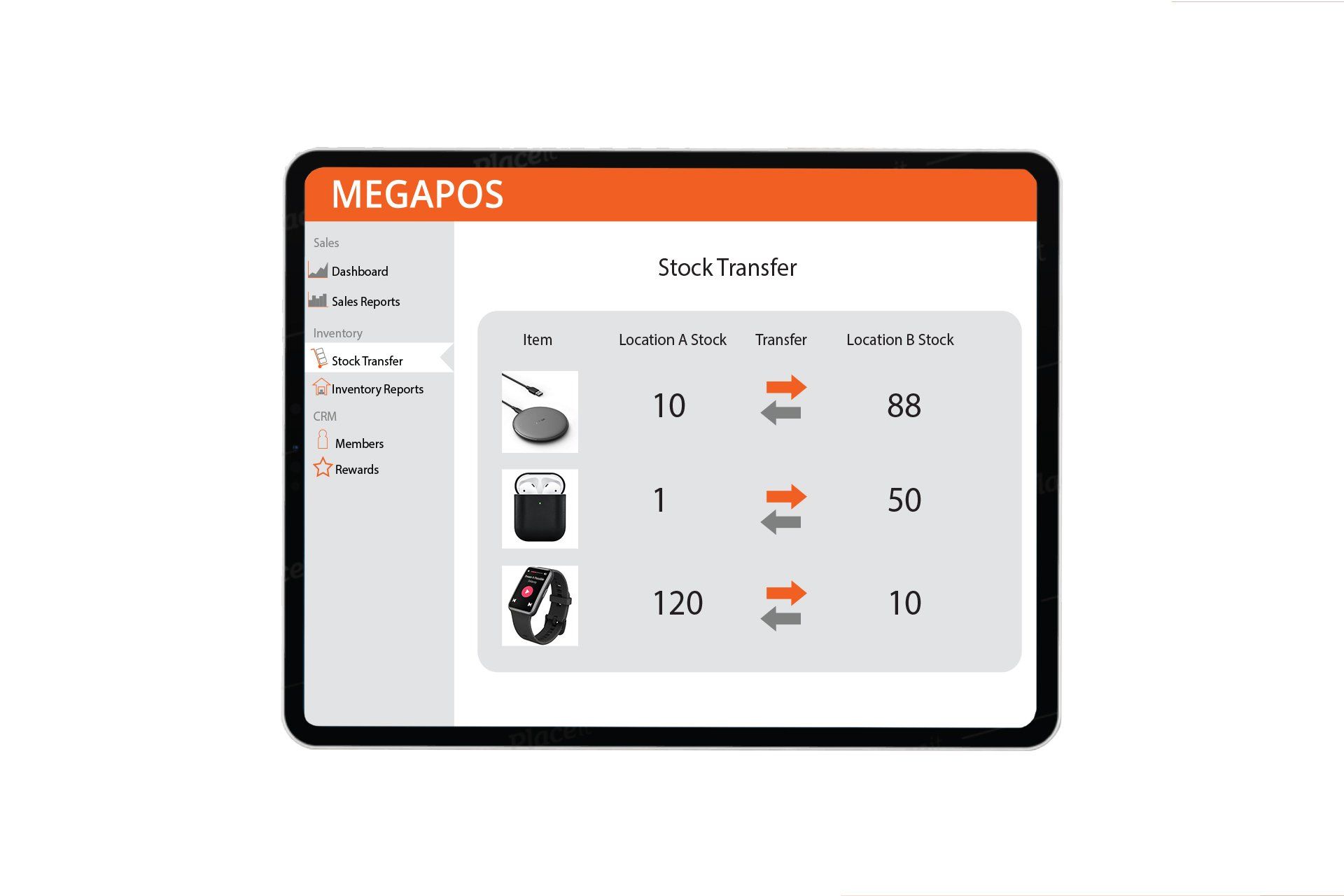
全面掌握整个库存及其流转历史,实现可视化管理。

库存流转报表

一目了然查看库存物品的进出记录。

多门店管理

轻松扩展业务,MEGAPOS 专为多门店管理而设计。

库存差异报表

库存差异情况一目了然,帮助发现潜在的库存管理问题。

会员管理

整理并追踪每位顾客的资料与消费记录。

会计软件集成

手动数据输入将成为过去。通过与 Xero 会计软件的最新集成,提升工作效率并消除人工错误。

minimart retail pos system

MEGAPOS 零售系统适用于


✓ 服装与时尚店
✓ 便利店
✓ 烘焙店
✓ 化妆品店
✓ 珠宝与饰品零售店
✓ 眼镜零售店
✓ 礼品/玩具零售店
✓ 宠物店
✓ 书店/文具零售店
✓ 五金零售店
✓ 运动用品店
✓ 连锁零售店
✓ 各类零售店

为什么选择 MEGAPOS 美容与健康行业收银 系统?

顶级售后服务

我们全力以赴照顾客户,提供及时、专业且高效的解决方案。

安全保障

MEGAPOS 零售收银系统在部署到客户业务前,已通过严格的漏洞评估与渗透测试。

多门店管理就绪

MEGAPOS 零售收银系统的在线后台,使沙龙与水疗业主能够通过单一门户管理所有门店。

Our Hardware


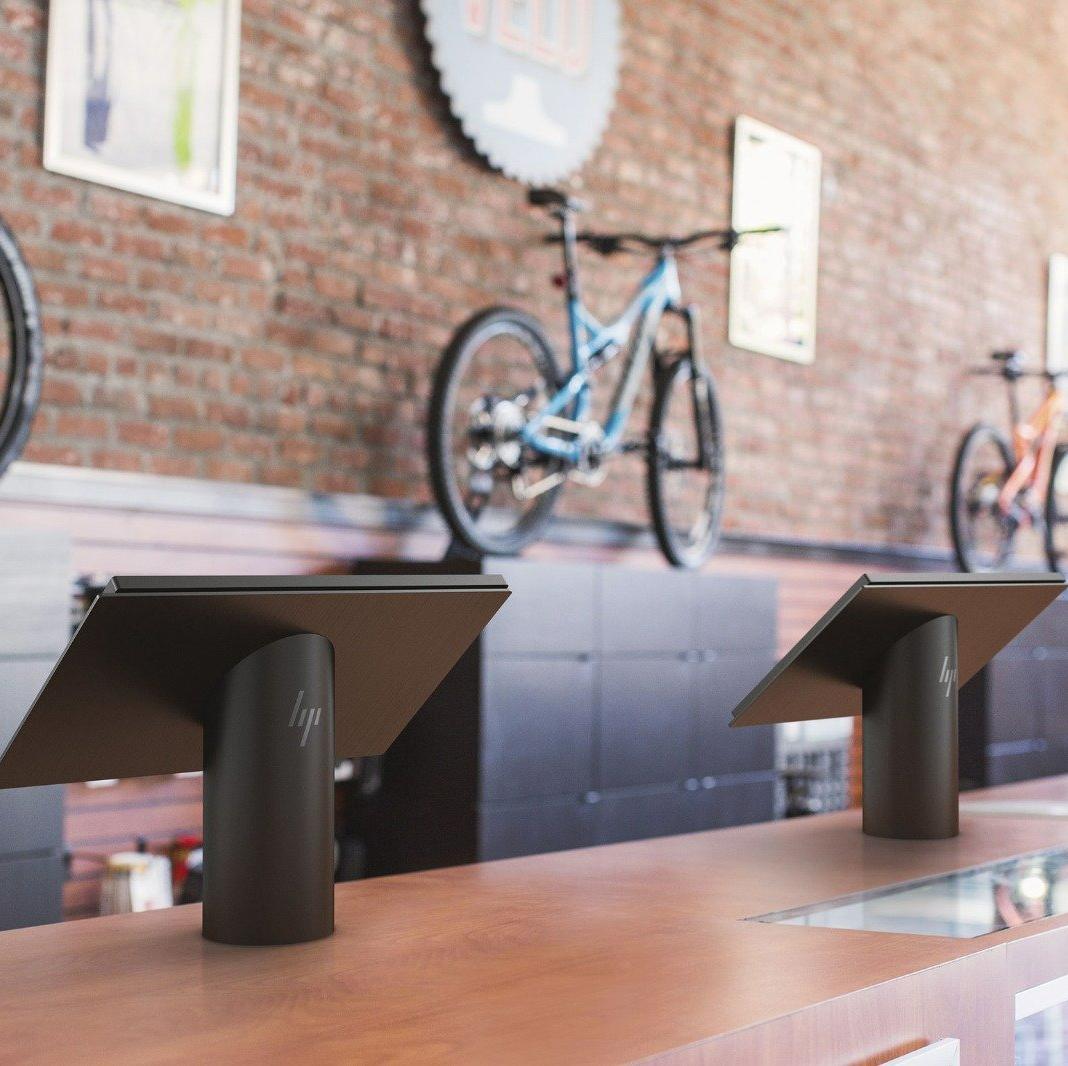
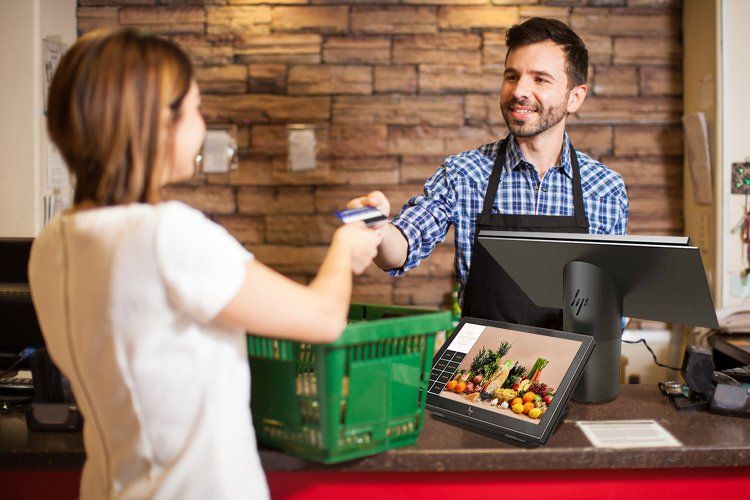
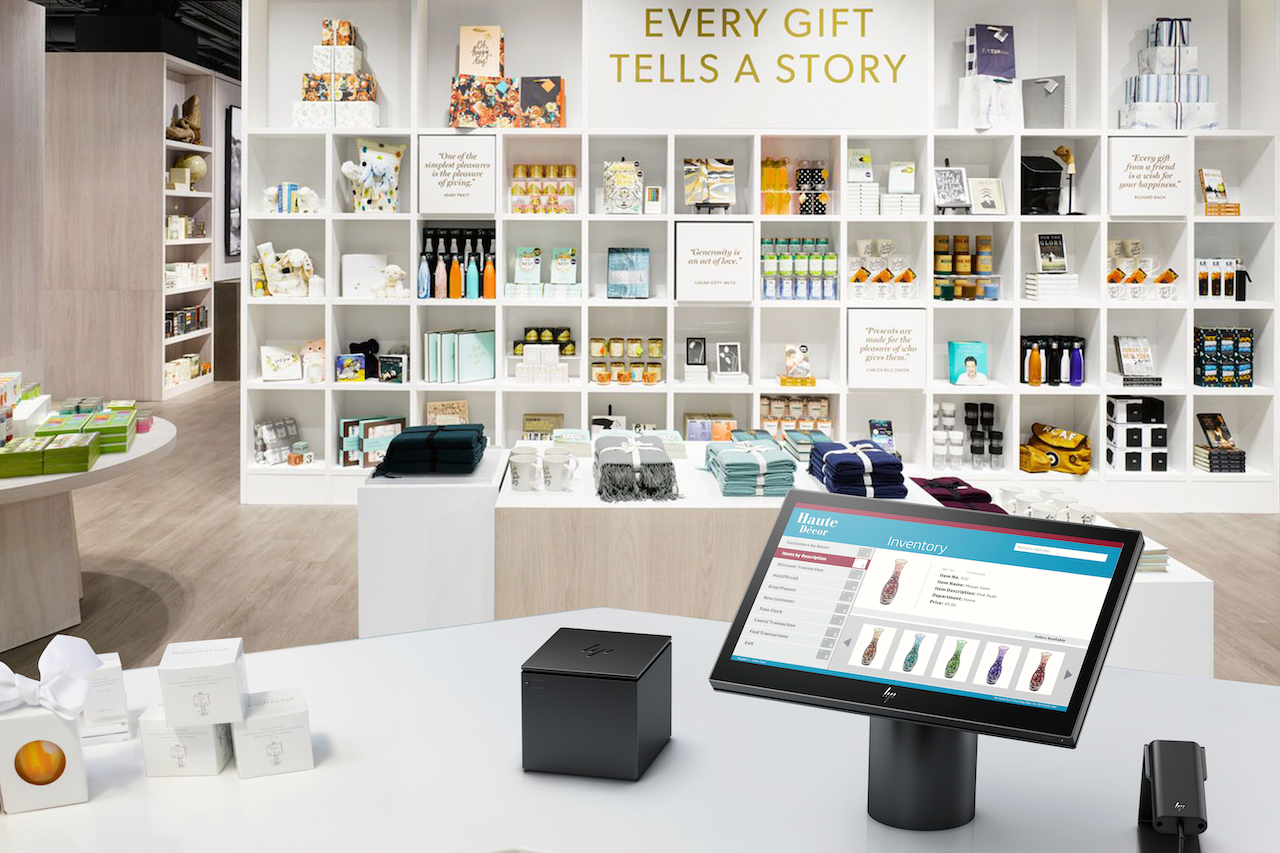
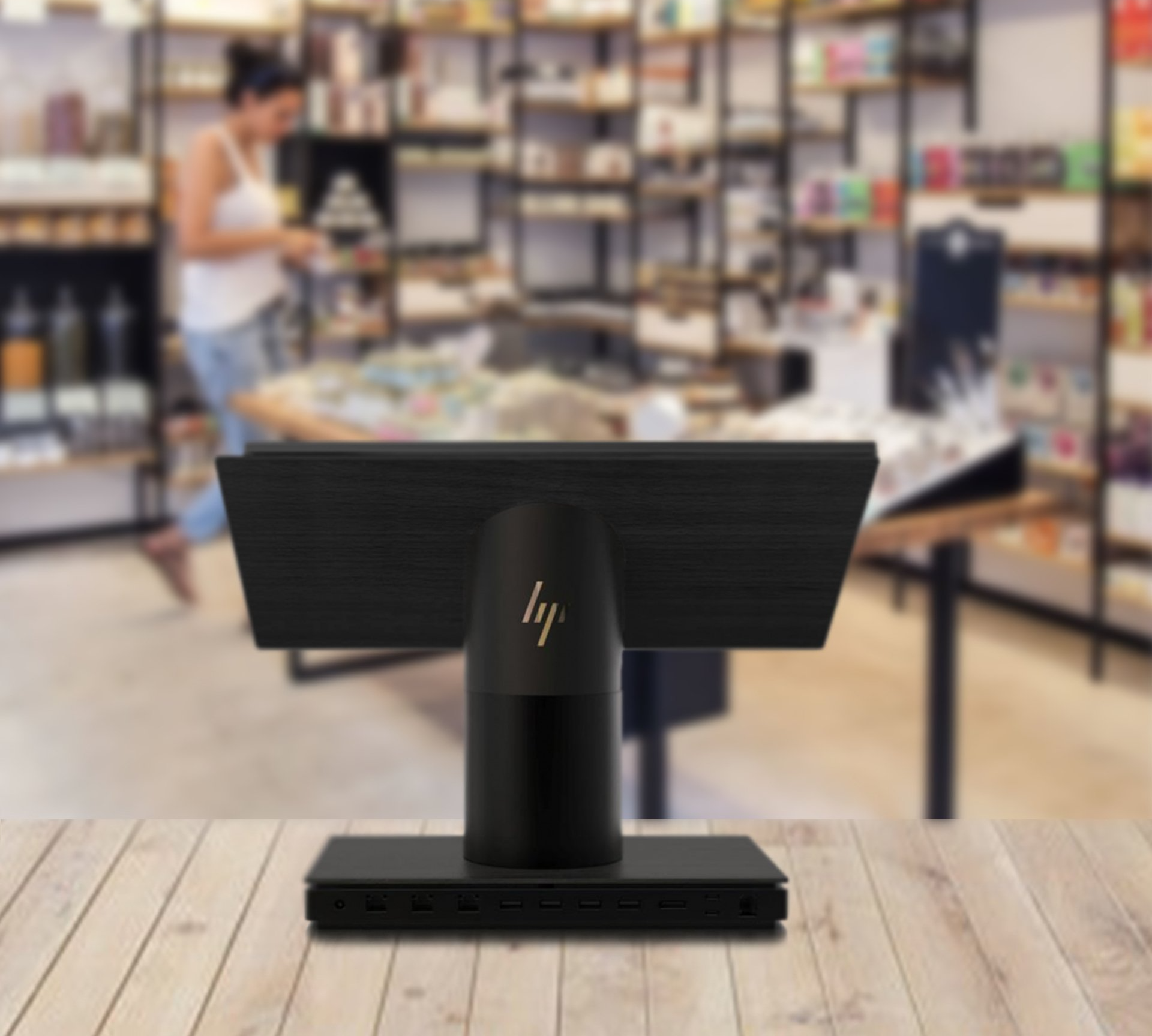
我们的零售云端 收银系统配备了全面且具备前瞻性的 收银软件,并搭载来自全球领先收银终端硬件制造商之一 HP 的时尚而坚固的收银终端硬件。

了解更多

零售收银统核心模块

让零售管理更简单


retail POS system inventory management

库存管理

获取库存不足报告,管理进出库,一目了然掌握库存水平


retail pos system cloud based backend

云端后台

通过任何可联网的设备管理 POS 后台设置、库存,并随时随地分析报表。


retail pos system customer display

顾客显示屏

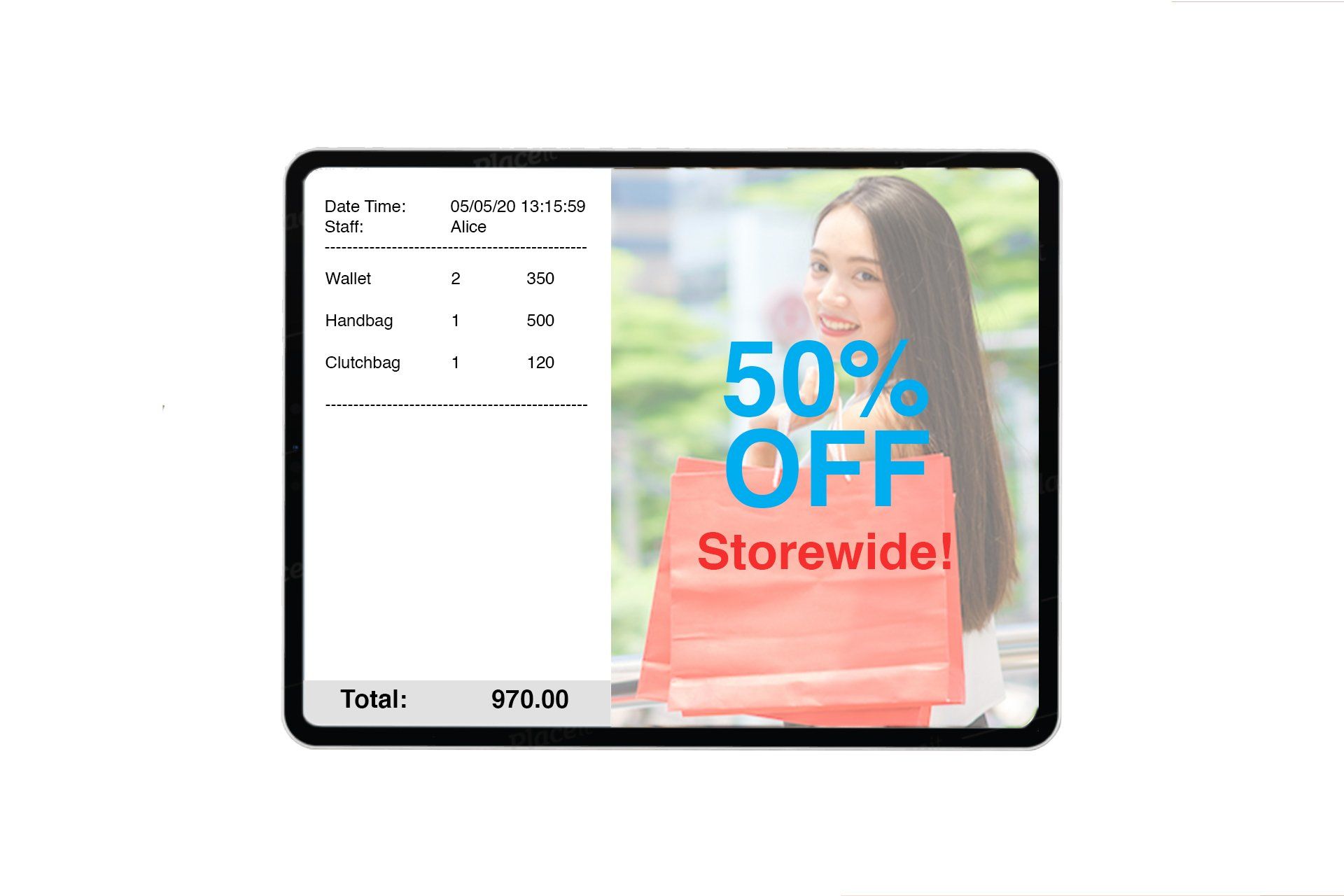
在顾客核对账单时,通过副屏展示最新促销与产品资讯。


联系我们


MEGAPOS 地址:

160 Robinson Road 

SBF Center #26-02

Singapore 068914


电话:

(+65) 6224 5788

Contact Us

Informative Retail Reads

Read more about the latest retail POS systems, technology and tips business tips

By Liang Wei Liaw December 24, 2025
Have you heard of the popular 5:59 Panda-themed Café & Bistro from Chengdu ? Known for its playful panda concept and bold Sichuan flavours, the brand has officially opened its first overseas outlet right here in Singapore — bringing an exciting mix of authentic cuisine, immersive design, and modern dining experiences to the local F&B scene. Authentic Sichuan Flavours with a Unique Panda Concept 5:59 Café & Bistro serves up a wide variety of authentic Sichuan dishes , allowing diners to enjoy the rich, spicy flavours Chengdu is famous for. Beyond the food, the café’s panda-themed urban garden design stands out — the space is styled to resemble a modern panda enclosure, making it both Instagram-worthy and welcoming.
By Liang Wei Liaw December 23, 2025
For many F&B businesses, opening day feels like a win already achieved. Queues form, social posts roll in, friends and influencers show up, and sales look strong. But once the opening buzz fades, often within weeks, reality sets in. Foot traffic slows, repeat visits don’t come as quickly as expected, and marketing suddenly feels harder than it did during launch. This cycle is extremely common in F&B, and it’s not a sign that the concept has failed. It simply highlights a truth many operators learn the hard way: opening hype is temporary, but operations and retention determine long-term survival. Why opening hype fades so quickly Opening buzz is driven by novelty. Customers are curious, friends want to support, and social media thrives on “new”. But curiosity alone doesn’t build habits. Once customers have tried the food once, they need a reason to return , not just awareness. At the same time, most F&B businesses focus heavily on opening marketing posters, influencers, discounts but spend far less time planning what happens after the first visit. Without a post-launch strategy, traffic naturally drops. The real challenge begins after the first visit The weeks after opening are when many hidden issues surface. Staff are still learning, service can be inconsistent, and processes may not be fully stabilised. Customers who had a decent first experience may not feel compelled to return, while those who had a slightly negative one rarely give a second chance. This is where many F&B businesses lose momentum not because the food isn’t good, but because there’s no system to turn first-time diners into regulars. Shift the focus from acquisition to retention Opening hype is about getting people through the door once. Sustainable growth is about bringing them back again and again . F&B businesses that survive beyond the first year deliberately design reasons for repeat visits. Simple tactics make a big difference: encouraging customers to join a membership programme, offering cashback or points on every visit, sending birthday or return vouchers, and recognising regulars. These create a psychological reason to return, even when the novelty is gone. Build habits, not just promotions Heavy discounts can attract crowds, but they rarely build loyalty. Customers return when they develop habits. Lunch near the office, weekend family meals, favourite comfort food. To support this, F&B operators should focus on consistency: consistent taste, service, speed, and pricing. Using data from POS and membership systems helps identify which items customers reorder, what time they visit, and how often they come back. This allows businesses to design smarter promotions, such as off-peak deals or member-only bundles, instead of relying on broad discounts. Use membership and data to stay top-of-mind When opening hype fades, silence is dangerous. Businesses that stay connected to customers through WhatsApp, SMS, or email to remain visible. A simple message reminding customers of unused rewards, expiring vouchers, or new menu items can bring them back without heavy advertising spend. Membership data also helps operators understand what works. Knowing which promotions drive returns, which items perform best, and which customers haven’t visited in a while allows for targeted re-engagement instead of guesswork. Operations matter more than marketing after launch No amount of marketing can compensate for slow service, long waits, or inconsistent quality. After opening, refining operations becomes more important than running promotions. Streamlined workflows, clear SOPs, and the right technology reduce stress on staff and improve customer experience which directly impacts repeat visits. When service feels smooth and reliable, customers are more willing to return, recommend the brand, and become regulars. From opening hype to sustainable growth Every F&B business experiences a drop after the initial buzz. The difference between those that struggle and those that grow lies in preparation. Brands that plan for life after opening — with strong operations, retention strategies, and customer data are far better positioned to survive rising costs and increasing competition. Opening hype gets customers in once. Systems, consistency, and retention bring them back.  Interested to future proof your F&B business by growing your memberbase to increase return spends? Click here to learn how MEGAPOS can help you with that!
By Liang Wei Liaw December 19, 2025
Ask any F&B owner what keeps them up at night, and manpower will almost always be at the top of the list. While customers see food, ambience, and service, operators deal daily with staff shortages, high turnover, rising labour costs, and the constant pressure to maintain service standards with limited headcount. In today’s F&B landscape, manpower is no longer just an operational issue, it is a strategic one. High Turnover Is the Norm, Not the Exception Unlike many industries, high staff turnover is an accepted reality in F&B. Part-time workers come and go, full-time staff leave for better hours or pay, and seasonal fluctuations add further instability. Each resignation means new recruitment, retraining, and a temporary drop in efficiency. Over time, this revolving door quietly increases costs and drains management attention, even if salaries remain unchanged. Labour Costs Keep Rising, Margins Do Not Wages, levies, and benefits have steadily increased, while menu prices cannot be raised endlessly without losing customers. Many F&B operators find themselves squeezed between rising labour costs and razor-thin margins. Hiring more staff to improve service often worsens profitability, yet running lean risks burnout and inconsistent customer experiences. This tension is now one of the biggest structural challenges in the industry. Training Time Is a Hidden Cost Training is often underestimated. Every new hire requires time. Time from supervisors, time away from peak operations, and time before the staff member becomes productive. When turnover is high, training never truly ends. This is especially challenging during peak periods, where untrained staff slow down operations and increase mistakes, directly affecting customer satisfaction. Skill Gaps and Inconsistent Service Not all staff arrive with the same skill level or experience. Some require extensive guidance to use POS systems, handle payments, or follow service workflows. Inconsistent skills lead to inconsistent service, which customers notice immediately. For brands trying to build loyalty, this inconsistency can be more damaging than a slightly higher price point. Burnout and Morale Issues When teams are understaffed, existing employees often shoulder the extra workload. Longer hours, faster pace, and fewer breaks lead to burnout, mistakes, and eventually resignation—fueling the turnover cycle once again. Low morale also affects service quality, creating a negative feedback loop that impacts both staff retention and customer experience. Scheduling Complexity and Peak Hour Pressure F&B manpower demand is uneven. Lunch and dinner rushes, weekends, and promotions require significantly more staff than off-peak hours. Poor scheduling leads to either overstaffing (higher costs) or understaffing (slower service and frustrated customers). Managing this balance manually becomes increasingly difficult as the business grows. Why Manpower Problems Can’t Be Solved by Hiring Alone Many operators initially respond to manpower challenges by hiring more people. In reality, this often treats the symptom rather than the root problem. Without efficient workflows, clear processes, and supportive systems, adding staff increases complexity without meaningfully improving performance. Sustainable solutions require reducing dependency on manpower, not just increasing headcount. Rethinking Manpower Through Systems and Processes Forward-looking F&B businesses focus on simplifying operations so fewer people can do more, with less stress. Clear SOPs, intuitive interfaces, and well-designed workflows reduce training time and mistakes. Technology, when implemented correctly, helps staff work faster and more confidently rather than replacing human service altogether. Turning a Challenge into a Competitive Advantage F&B brands that manage manpower well gain a powerful edge. Lower turnover means better-trained staff. Simpler operations mean faster service. Happier employees create better customer experiences. In an industry where many struggle with the same issues, strong manpower management can be the difference between survival and sustainable growth. If you are interested in getting solutions that can help your business streamline operations to reduce labour intensive processes, click here to get in touch with us.
Show More