零售收银系统

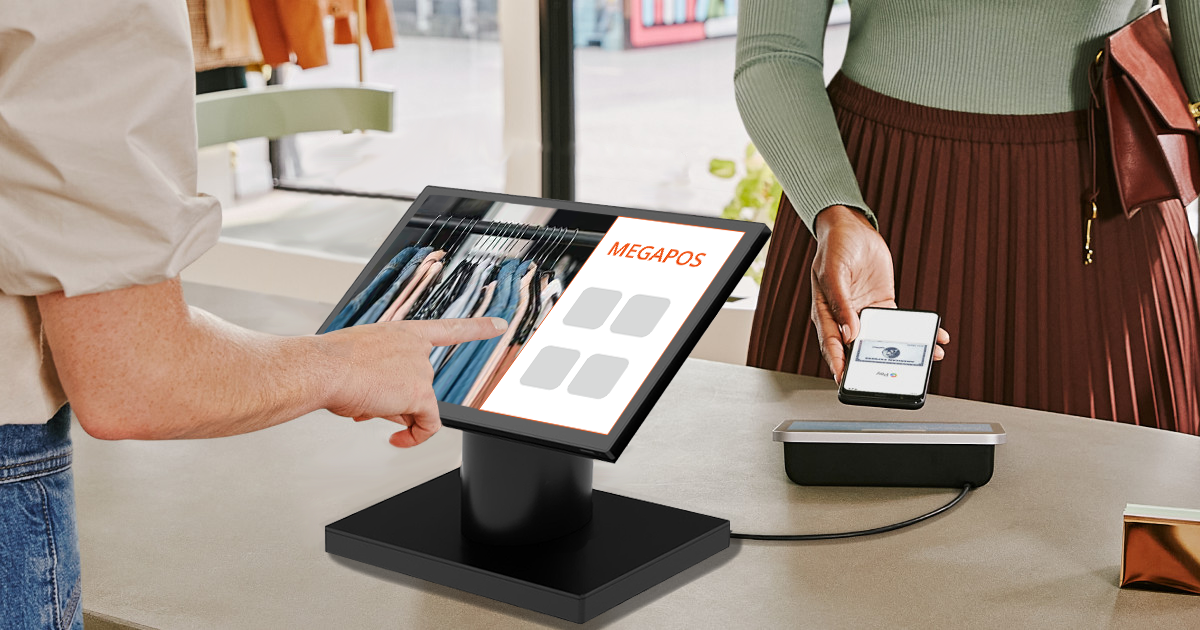
选择 MEGAPOS 零售收银系统,能够帮助您为顾客提供他们所期待的一站式服务体验。


MEGAPOS 零售收银系统让您全面掌握顾客、库存、交易与数据,实现 360 度全方位视角,为您的零售业务提供成功所需的基础条件,并支持您制定最大化增长的战略决策。

联系我们
retail pos system

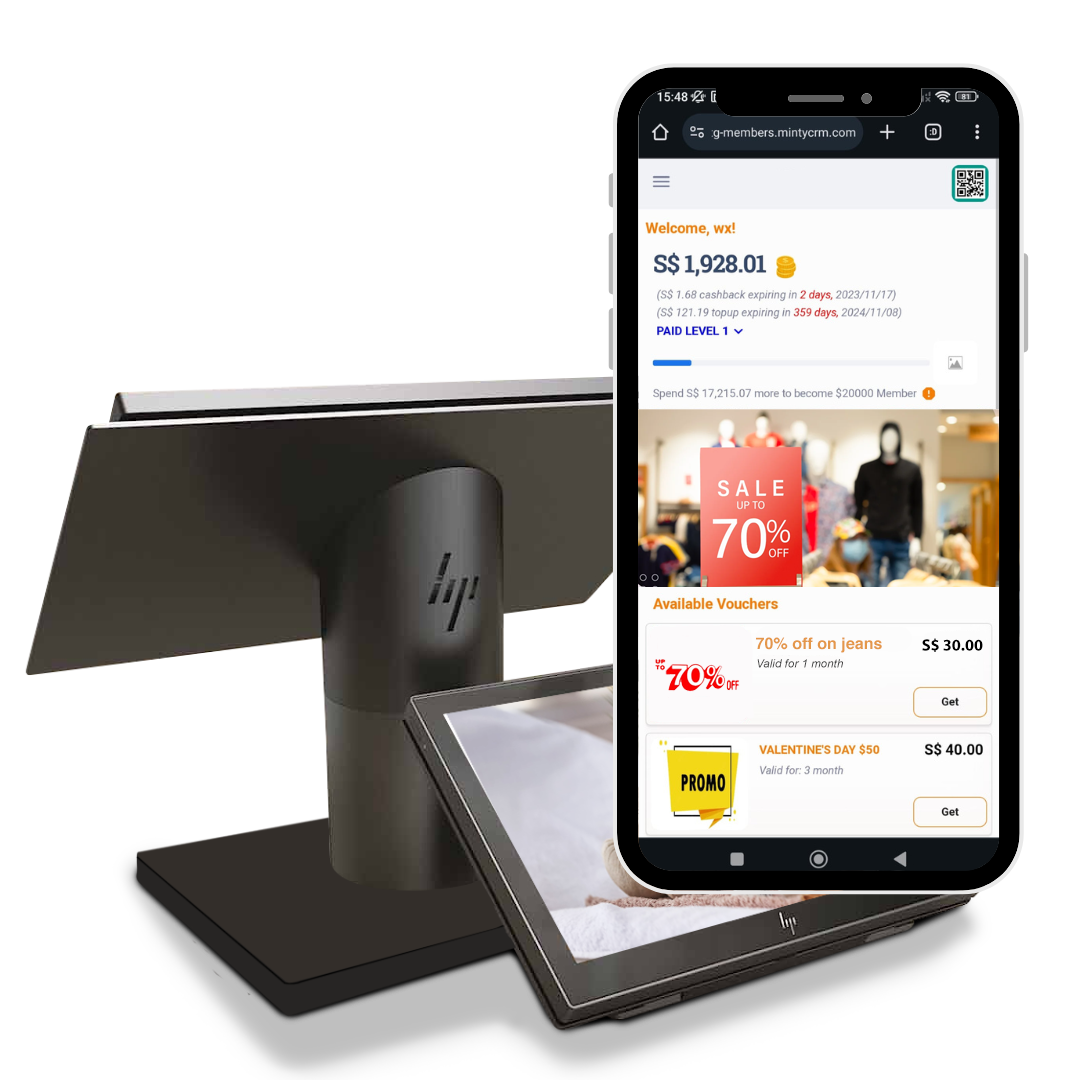
零售收银系统与会员管理系统无缝结合

鼓励顾客重复到访与再次消费

  • 提升客户留存

    忠诚奖励:提供积分、专属折扣和特别优惠,鼓励顾客重复到访与购买。


    个性化优惠:利用零售收银系统与 会员管理方案的顾客数据制定个性化促销和奖励,提升购物体验并增强忠诚度。

  • 更深入了解会员

    购买记录追踪:零售收银系统搭配会员模块,将销售、库存与会员数据结合,提供顾客偏好和购买行为的宝贵洞察。


    目标营销:通过数据分析,开展更有针对性的营销活动,提高营销效果。

  • 精简运营

    一体化系统:将销售、库存和会员管理整合到一个系统中,减少人工工作和错误。


    集中化流程:通过 POS 系统集中管理积分兑换,为会员带来顺畅体验。

  • 提升销售与现金流

    促进销售:通过奖励和激励措施,鼓励顾客增加消费金额。


    提升现金流:让顾客预购代金券或充值电子钱包,促进回头客。

  • 改善顾客体验

    更快结账:积分兑换和会员折扣集中于 POS 系统,加快结账速度。


    一致体验:无论在线或线下,提供一致的会员体验,确保顾客满意。

  • 更好的库存管理

    数据驱动决策:POS 系统集中库存与会员数据,便于预测需求并更有效地管理库存。


    减少浪费:根据顾客偏好与购买历史优化库存水平,降低库存积压。

    Button
  • 加强顾客沟通

    直接互动:通过会员计划与顾客直接沟通,推送新品、促销和活动信息。


    反馈与评价:通过会员线上门户收集反馈与评价,帮助改进产品和服务。

    Button
  • 提升品牌忠诚度

    品牌推广者:忠诚顾客会自发向亲友推荐您的店铺。


    专属会员福利:提供专属活动、抢先体验和特别奖励,让会员感受到被重视。

    Button
  • 竞争优势

    差异化:通过全面的会员计划,在竞争中脱颖而出。


    客户留存:强大的忠诚计划有助于留住顾客,避免他们流向竞争对手。

    Button

零售收银系统主要功能

专为零售业量身定制


条码打印

为每件商品快速打印条码,并通过条码扫描器轻松录入顾客订单。

自动邮件报表

报表会及时发送至相关人员邮箱,方便即时查看业绩。随时随地获取现成报表。

智能业务报表

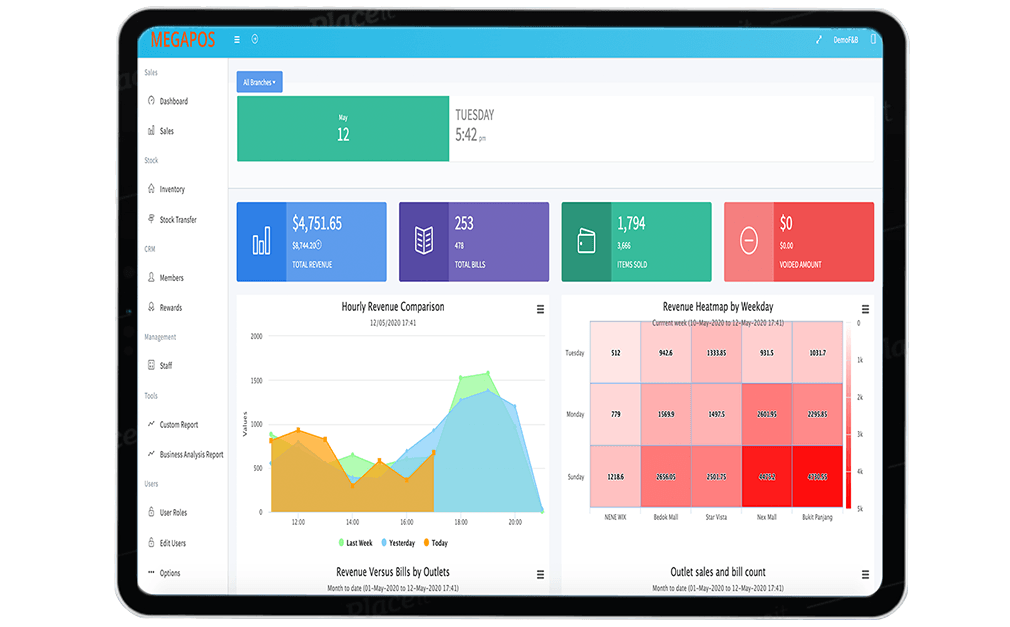
实时智能分析报表,帮助您提升业务表现和利润率。

库存报表

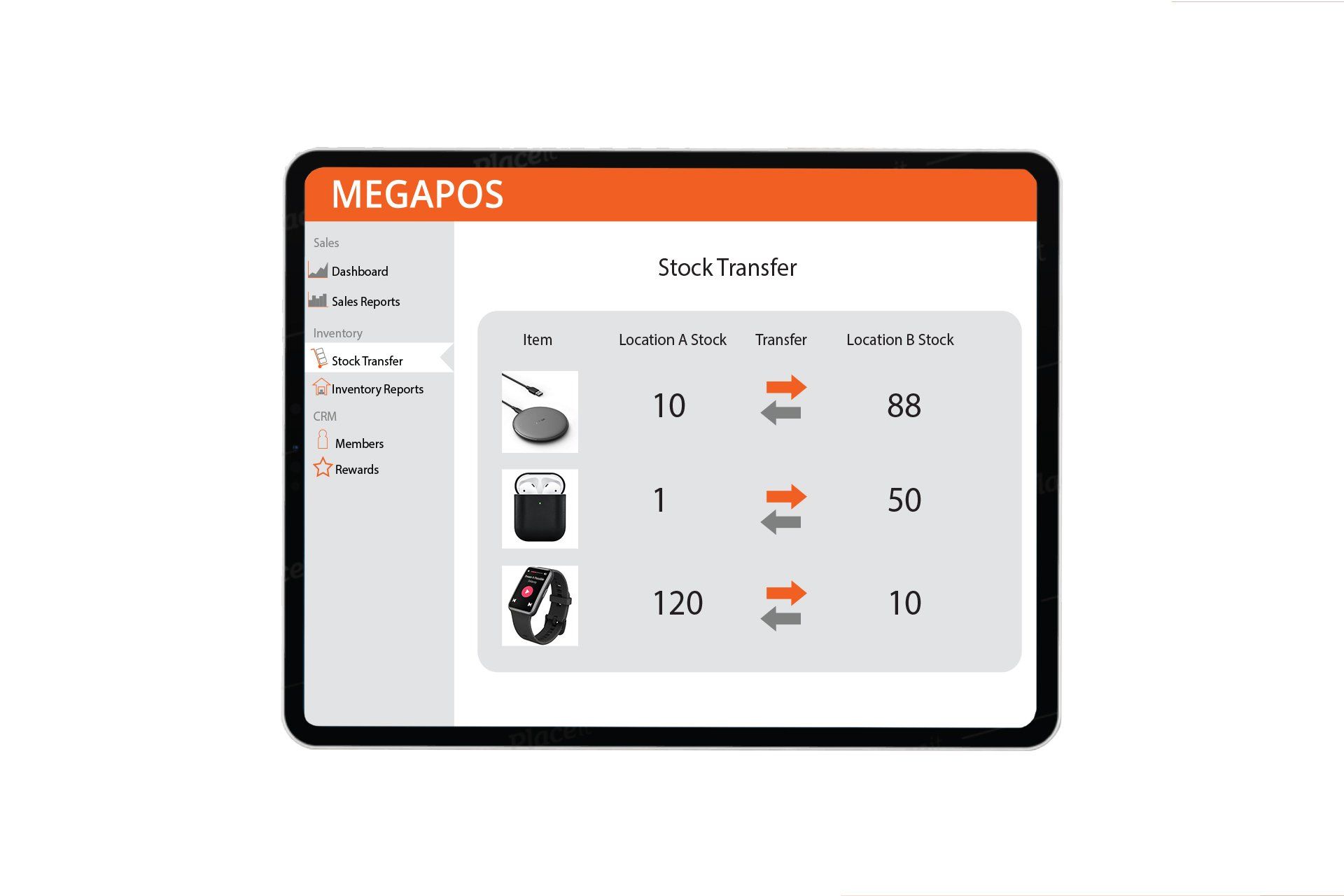
全面掌握整个库存及其流转历史,实现可视化管理。

库存流转报表

一目了然查看库存物品的进出记录。

多门店管理

轻松扩展业务,MEGAPOS 专为多门店管理而设计。

库存差异报表

库存差异情况一目了然,帮助发现潜在的库存管理问题。

会员管理

整理并追踪每位顾客的资料与消费记录。

会计软件集成

手动数据输入将成为过去。通过与 Xero 会计软件的最新集成,提升工作效率并消除人工错误。

minimart retail pos system

MEGAPOS 零售系统适用于


✓ 服装与时尚店
✓ 便利店
✓ 烘焙店
✓ 化妆品店
✓ 珠宝与饰品零售店
✓ 眼镜零售店
✓ 礼品/玩具零售店
✓ 宠物店
✓ 书店/文具零售店
✓ 五金零售店
✓ 运动用品店
✓ 连锁零售店
✓ 各类零售店

为什么选择 MEGAPOS 美容与健康行业收银 系统?

顶级售后服务

我们全力以赴照顾客户,提供及时、专业且高效的解决方案。

安全保障

MEGAPOS 零售收银系统在部署到客户业务前,已通过严格的漏洞评估与渗透测试。

多门店管理就绪

MEGAPOS 零售收银系统的在线后台,使沙龙与水疗业主能够通过单一门户管理所有门店。

Our Hardware


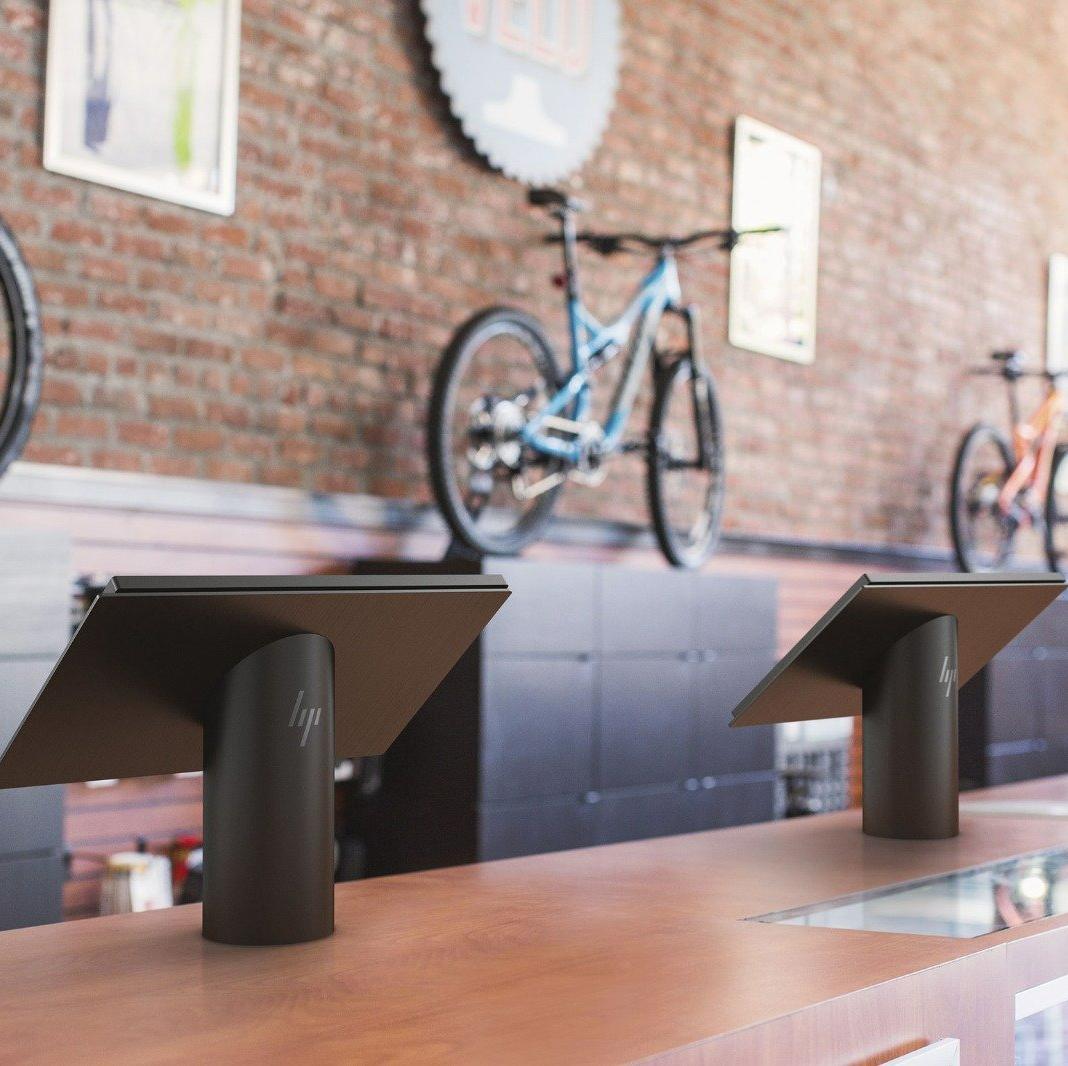
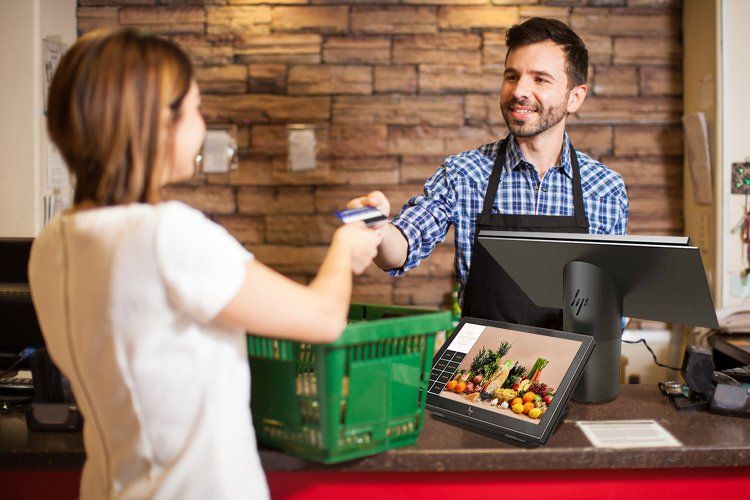
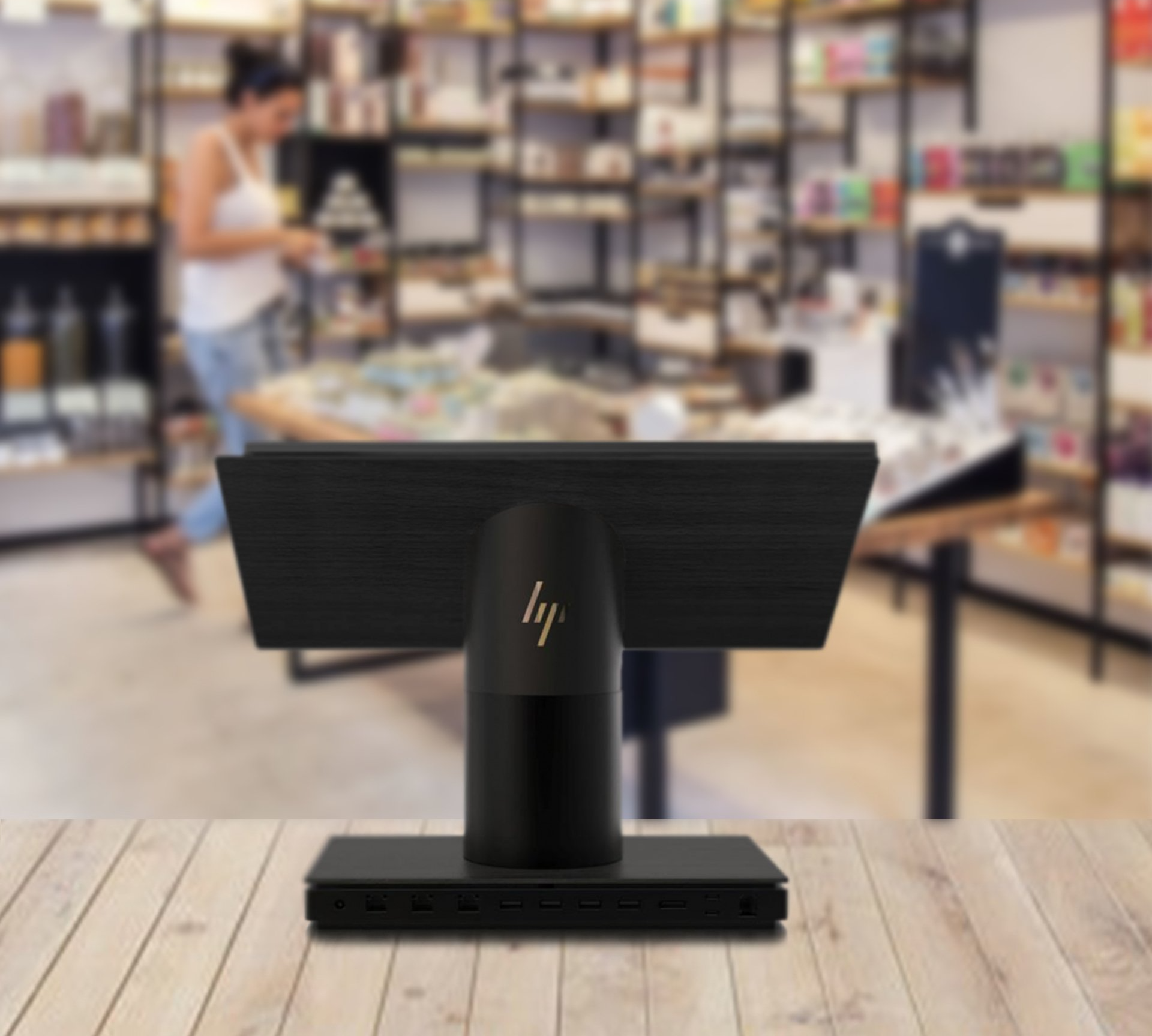
我们的零售云端 收银系统配备了全面且具备前瞻性的 收银软件,并搭载来自全球领先收银终端硬件制造商之一 HP 的时尚而坚固的收银终端硬件。

了解更多

零售收银统核心模块

让零售管理更简单


retail POS system inventory management

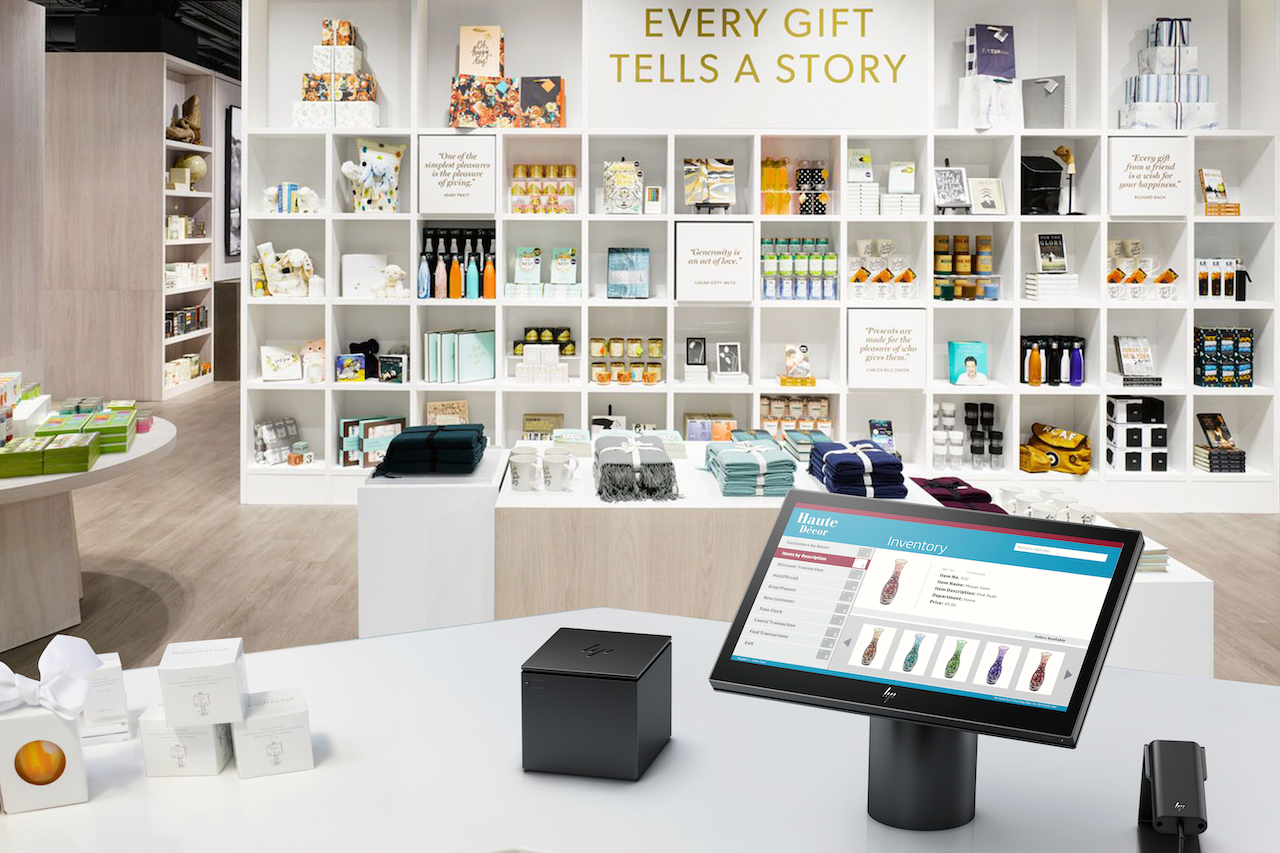
库存管理

获取库存不足报告,管理进出库,一目了然掌握库存水平


retail pos system cloud based backend

云端后台

通过任何可联网的设备管理 POS 后台设置、库存,并随时随地分析报表。


retail pos system customer display

顾客显示屏

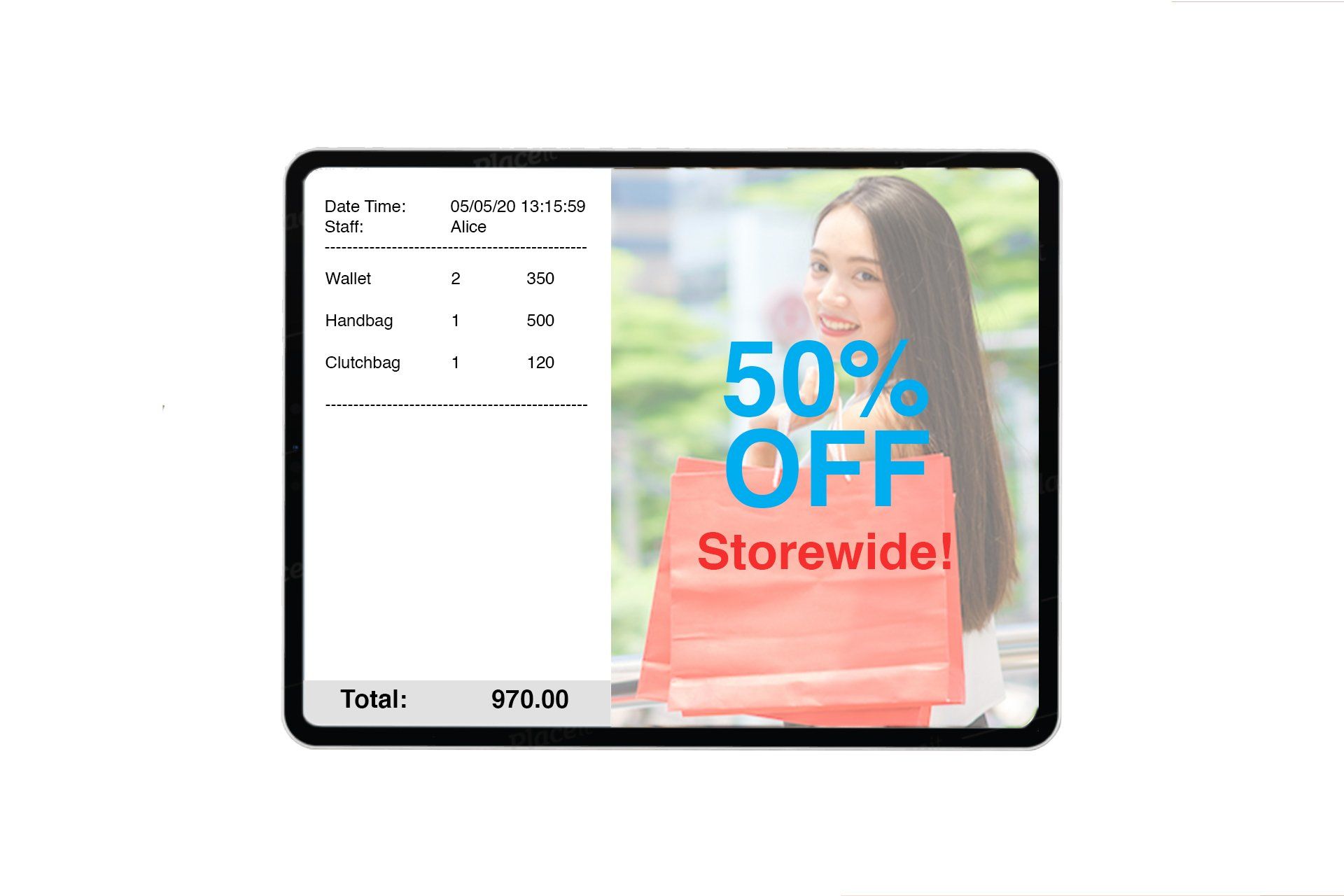
在顾客核对账单时,通过副屏展示最新促销与产品资讯。


联系我们


MEGAPOS 地址:

160 Robinson Road 

SBF Center #26-02

Singapore 068914


电话:

(+65) 6224 5788

Contact Us

Informative Retail Reads

Read more about the latest retail POS systems, technology and tips business tips

By Liang Wei Liaw March 26, 2026
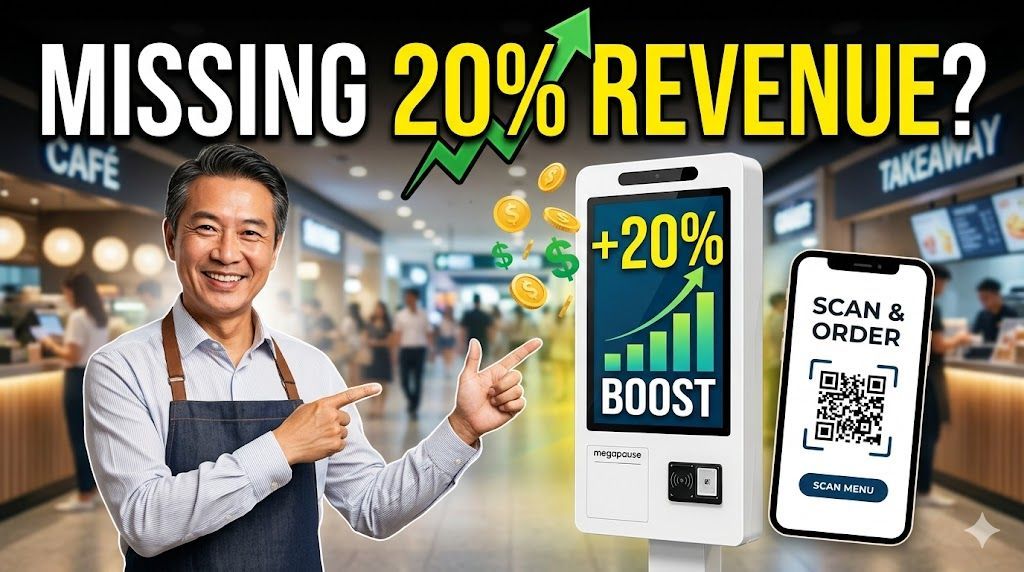
With GST at 9% and ingredient costs remaining stubbornly high in 2026, Singaporean F&B owners are constantly looking for ways to protect their profit margins. While you can only cut operational costs so much, there is another highly effective strategy: increasing the Average Order Value (AOV) for every customer who walks through your door. Industry data consistently shows that customers spend roughly 15% to 30% more when they order through a digital screen compared to a human cashier. But why does this happen? It’s not magic; it’s consumer psychology. Here is why upgrading to digital ordering systems isn’t just about saving manpower. it’s about actively driving your revenue up. 1. The End of "Upsell Guilt" Let’s be honest: your front-of-house staff probably hate upselling. Asking every single customer, "Would you like to upgrade your drink?" or "Do you want to add truffle fries?" can feel pushy, and during a busy lunch rush, staff simply forget to ask. A self-ordering kiosk or a QR code menu never forgets, and more importantly, it never feels "pushy." Customers don't feel judged by a screen. When a kiosk automatically prompts a pop-up saying, "Make it a meal for just $3 more?", a significant percentage of customers will tap "Yes" out of sheer convenience and appetite. 2. People Eat with Their Eyes Traditional printed menus rely on text descriptions, leaving the customer to imagine the dish. Digital screens flip this dynamic entirely. When a customer uses a MEGAPOS self-ordering kiosk or their smartphone to scan a QR menu, they are greeted with vibrant, high-definition photos of your food. Seeing a glistening slice of cake or a perfectly frosted iced latte triggers an immediate craving. Visual menus turn a simple "I just want a coffee" visit into "I'll get a coffee and that matcha roll looks too good to pass up." 3. The Customization Premium Modern Singaporean diners love modifying their orders. Whether it’s an iced oat milk latte with an extra espresso shot, or a grain bowl with added avocado and smoked salmon, customization is king. However, communicating these complex add-ons to a human cashier can be tedious and prone to errors. Digital menus make customization completely frictionless. Customers love tapping through the add-on options, and because they are in control, they happily pay the extra $1 or $2 per modification. These small, high-margin add-ons compound quickly, significantly padding your daily revenue. 4. Real-Time Menu Engineering Printed menus are static. If you have a surplus of a specific pastry that is about to expire, or you want to push a high-margin seasonal drink, reprinting menus is out of the question. With a smart backend like the one powering MEGAPOS , you have total control over your digital storefront. You can instantly push your most profitable items to the top of the kiosk screen, highlight them as "Chef’s Recommendations," or create limited-time bundle deals on the fly. You dictate the customer journey the moment they scan your QR code or touch the screen. The Bottom Line Investing in self-service technology is no longer just a defensive move to combat the manpower crunch; it is an offensive strategy to increase your sales. By moving your menu to a digital interface, you are giving your customers a frictionless, visually appealing experience that naturally encourages them to spend more. Want to see how easy it is to set up an automated upselling machine for your store? Contact MEGAPOS today to get a demo of our highly visual kiosks, QR ordering systems, and dual-screen POS setups designed specifically to boost your bottom line.
By Liang Wei Liaw March 24, 2026
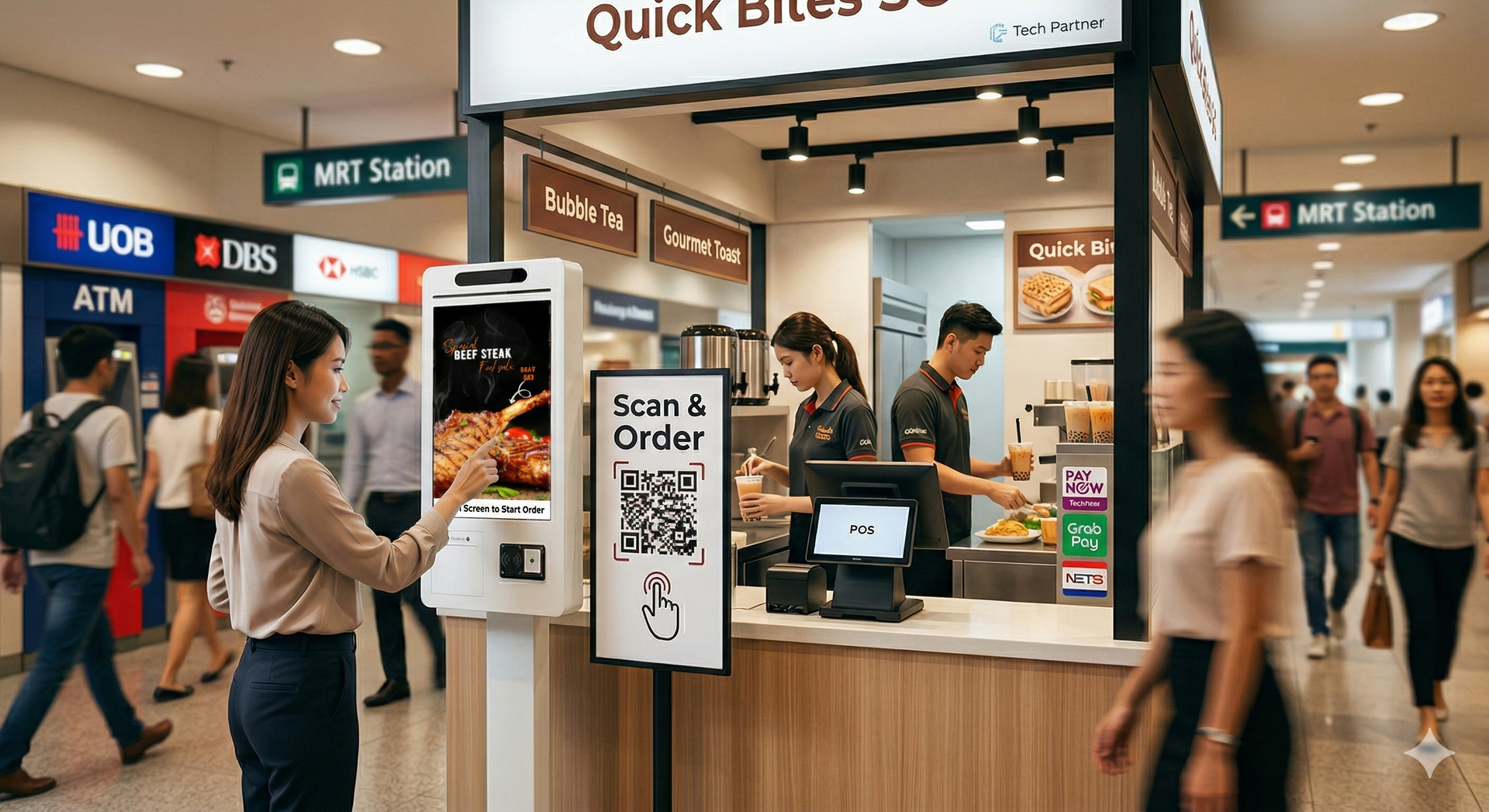
Running a quick-service food or beverage kiosk in Singapore whether it is a bubble tea stand in a heartland mall or a grab-and-go snack counter near an MRT station is a unique challenge. You rely on high footfall and fast turnover to make your margins, but you have to do it in a footprint the size of a walk-in closet. When you add Singapore's ongoing manpower crunch to the mix, operating a kiosk becomes a high-stress juggling act. With limited space and strict foreign worker quotas in 2026, you simply cannot afford to have a staff member dedicated solely to punching buttons on a cash register. Here is how quick-service operators are rethinking their micro-spaces and using tech to survive the labor shortage. 1. The "One-Man Show" Dilemma In a typical kiosk setup, you might only have room for two or three staff members per shift. If one person is permanently anchored to the POS system taking orders, answering questions, and handling cash, your production capacity is immediately cut by a third or even half. With the Ministry of Manpower (MOM) maintaining tight Dependency Ratio Ceilings (DRC), hiring an extra pair of hands just for front-of-house duties is incredibly difficult and expensive. The math forces a harsh reality: your human staff needs to be entirely focused on preparing the food or drinks, not taking orders. 2. The Invisible Cost of the "Too Long" Queue In the quick-service game, speed is your actual product. A long queue might look like a sign of good business, but it is often a silent revenue killer. During the lunch rush, the modern Singaporean consumer is impatient. If an office worker sees a slow-moving line of five people waiting to order an iced latte or a waffle, they will likely walk over to a competitor. You aren't just losing the speed of service; you are actively losing walk-by sales because of an operational bottleneck. 3. Maximizing the Micro-Space with Smart Automation To maximize output in a 150-square-foot space, you need technology that is compact, fast, and acts as an invisible employee. This is where an integrated system like MEGAPOS completely changes the workflow of a takeaway kiosk: The Tireless Cashier (Self-Ordering Kiosks): A sleek, small-footprint self-ordering kiosk takes the pressure off your staff. It never calls in sick, never gets an order wrong due to background noise, and automatically prompts customers with upsells (like adding pearls or upgrading to a combo). Queue-Busting QR Codes: Don't have physical space for a kiosk terminal? Place QR codes on standees around your kiosk. Customers can scan, browse the visual menu, and pay on their own phones while standing in line. By the time they reach the counter, their order is already popping up on your kitchen display. Compact Dual-Screen POS: For the few customers who still prefer ordering at the counter, a modern dual-screen POS is essential. It looks clean, takes up minimal counter space, and allows the customer to verify their complex custom orders (e.g., "25% sugar, less ice") instantly on the second screen, eliminating costly remakes. 4. Funding Your Digital Employee Upgrading your kiosk’s technology doesn't mean eating into your hard-earned profits. The Singapore government continues to strongly back F&B automation in 2026: Productivity Solutions Grant (PSG): Eligible F&B operators can still tap into the PSG to cover up to 50% of the costs for pre-approved IT solutions, making systems like self-ordering POS highly affordable. SkillsFuture Enterprise Credit (SFEC): With the redesigned SFEC rolling out in the second half of 2026, qualifying businesses will have access to a $10,000 credit to offset out-of-pocket expenses for enterprise transformation, including tech adoption. The Takeaway In a quick-service kiosk, every square inch and every second counts. By shifting the ordering process to the customer, you instantly solve your biggest manpower headache. Your staff can prep faster, your queues move quicker, and your daily sales volume increases. Ready to turn your takeaway counter into a high-speed, high-efficiency operation? Reach out to MEGAPOS today to explore how our compact POS, self-ordering kiosks, and QR solutions are built specifically for Singapore's fast-paced F&B environment.

By Liang Wei Liaw March 20, 2026
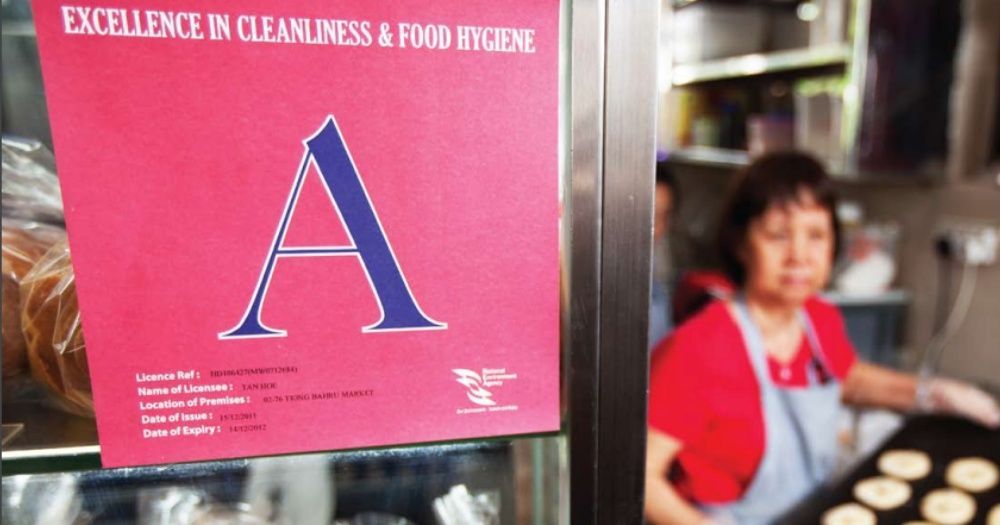
The SFA officially rolled out Phase 1 of the Safety Assurance for Food Establishments (SAFE) framework on January 19, 2026. If you are running a cafe, restaurant, or kiosk in Singapore, the days of prepping for a single annual grading inspection are over. The new system is designed to reward consistent, year-round hygiene practices. While regulatory changes can feel overwhelming, understanding the mechanics of SAFE will help you maintain your top grade without the last-minute scramble. Here is the factual breakdown of what you need to know and how to adapt your operations. 1. The End of the "Snapshot" Inspection For nearly three decades, establishments were given an 'A', 'B', 'C', or 'D' based on a once-a-year snapshot assessment. The SAFE framework replaces this with a continuous tracking model. Your grade is now a reflection of your sustained track record . This means SFA evaluates your everyday operational discipline over time, rather than just how clean the kitchen is on the day the inspector arrives. 2. The New Grading System: A, B, C, and "NEW" The 'D' grade has been completely removed. Under Phase 1 of the SAFE framework, the roughly 45,000 licensed food establishments in Singapore are now graded as follows: Grade 'A': Awarded to establishments with a strong food safety track record of more than three years (meaning no major lapses). Grade 'B': Awarded to establishments with a good track record of between one and three years . Grade 'C': An immediate downgrade triggered by a major lapse. This includes a license suspension under the Points Demerit System (accumulating 12 points within 12 months) or a court conviction for a food safety offense. "NEW": Assigned to businesses operating for less than a year to distinguish them from operators with established track records. 3. Goodbye Physical Decals, Hello QR Codes You no longer need to scrape off and replace physical grade decals on your storefront. The new framework shifts entirely to a digital transparency model. Diners can now check your establishment's real-time food safety grade by simply scanning the QR code on your SFA license displayed at your premises, or by checking the SFA's online track record portal. 4. Category 1 vs. Category 2 Establishments The SFA now divides businesses based on the scale and complexity of their food preparation. Category 1 (Significant Processing): Caterers, large restaurants (kitchens 16 square meters or larger), in-house kitchens, and food manufacturers. Category 2 (Low/Moderate Processing): Cafes, bakeries, small restaurants, takeaway outlets, and food stalls in coffee shops or hawker centers. The Category 1 "Fast-Track": If you are a Category 1 operator, you do not necessarily have to wait three years for an 'A' grade. You can fast-track to an 'A' after just one year of a clean track record if you appoint an Advanced Food Hygiene Officer (AFHO) and implement a certified Food Safety Management System (FSMS). Keep in mind that when Phase 2 rolls out (details expected by 2027), these AFHO and FSMS requirements will become mandatory for Category 1 establishments seeking to maintain their 'A' status. 5. How Technology Protects Your Grade When your staff is overwhelmed with manual order taking, payment processing, and answering routine questions, kitchen hygiene and operational discipline inevitably slip. Rushed staff are more likely to make the kind of mistakes that lead to a "major lapse." By utilizing self-ordering kiosks, QR-code table ordering, and efficient dual-screen POS systems like MEGAPOS , you eliminate front-of-house bottlenecks. This buys your team the time and mental bandwidth needed to focus on what the SFA is actively grading you on: consistent food preparation, rigorous cleanliness, and sustained safety standards.
Show More