新加破最佳收银系统

将扫码点餐系统、自助点餐机、外卖平台、厨房打印机或显示屏以及无现金支付终端与餐饮收银系统集成,简化餐厅的运营流程。

我们的客户

餐饮业必备的餐饮收银系统功能

下单管理

来自各个平台的订单将由餐厅 POS 系统统一整合,明细化后实时发送至厨房打印机或显示屏,确保 100% 准确。

桌位管理

组织座位布局,跟踪桌位状态,并通过实时桌位更新优化翻台效率。

菜单即时更新

通过在线门户,即时在一个或多个门店修改餐厅 POS 系统的菜单。

厨房打印机/显示屏

新订单和订单更改会即时更新,已完成的订单可标记为已处理,从而避免沟通错误、食物浪费和遗漏订单。

库存管理

我们的餐厅 POS 系统可帮助您保持库存在最佳水平,避免过量备货或缺货。

支付方式

在为顾客提供顺畅的无现金支付体验的同时,保护您的收入免受欺诈和账单错误的影响。

会员管理

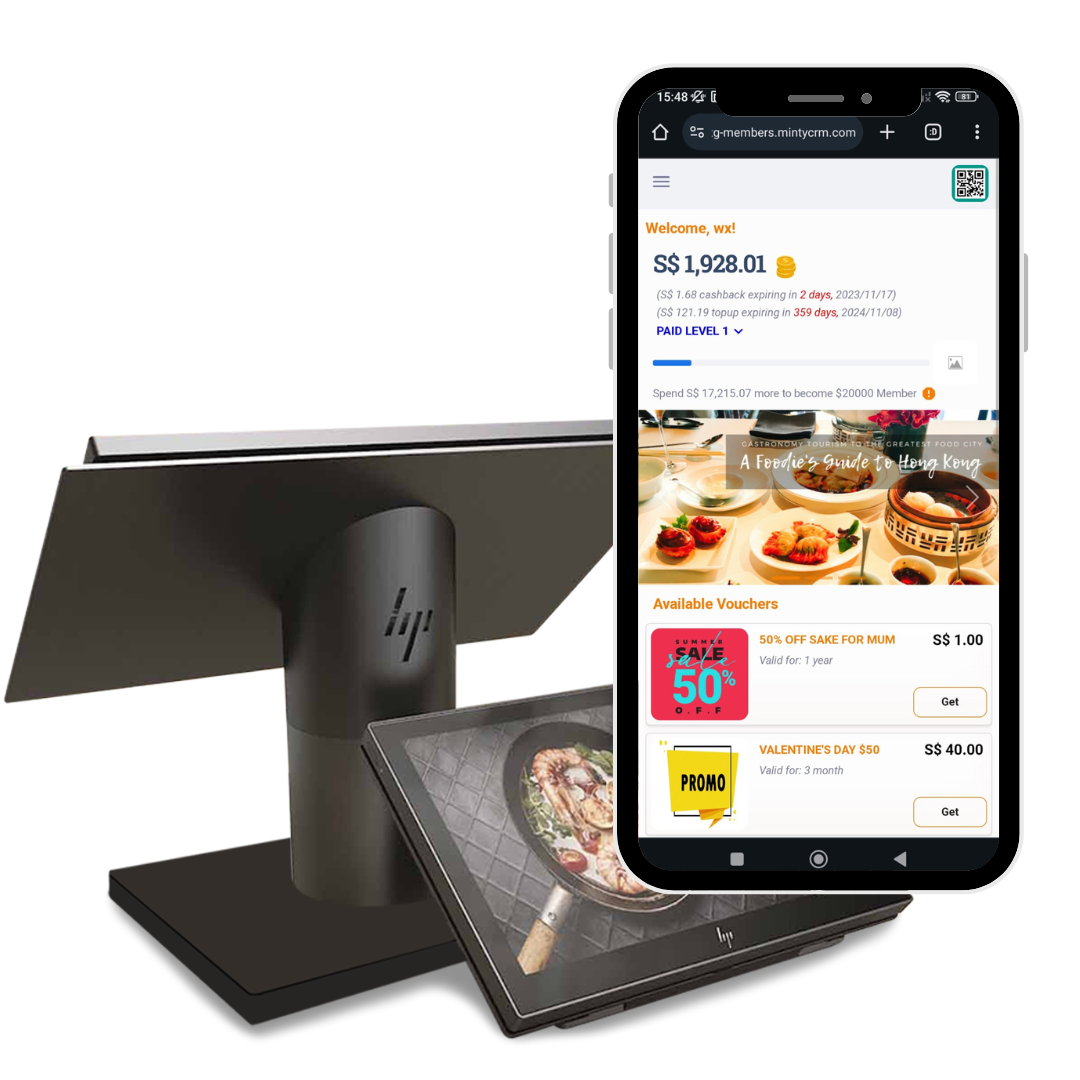
通过餐厅 收银系统的会员解决方案,让顾客重复消费并赚取更多奖励,激励他们再次光临。

员工管理

通过餐厅 POS 系统的上下班打卡功能简化薪资管理,轻松追踪员工出勤与工时。

实时报表

通过在线后台访问仪表盘和详细报表,掌握餐厅的运营表现和数据。

实时数据与仪表盘

您的餐厅 POS 系统配有后台,可让您随时随地轻松访问和管理多家门店的仪表盘、报表及后台设置。

线下模式

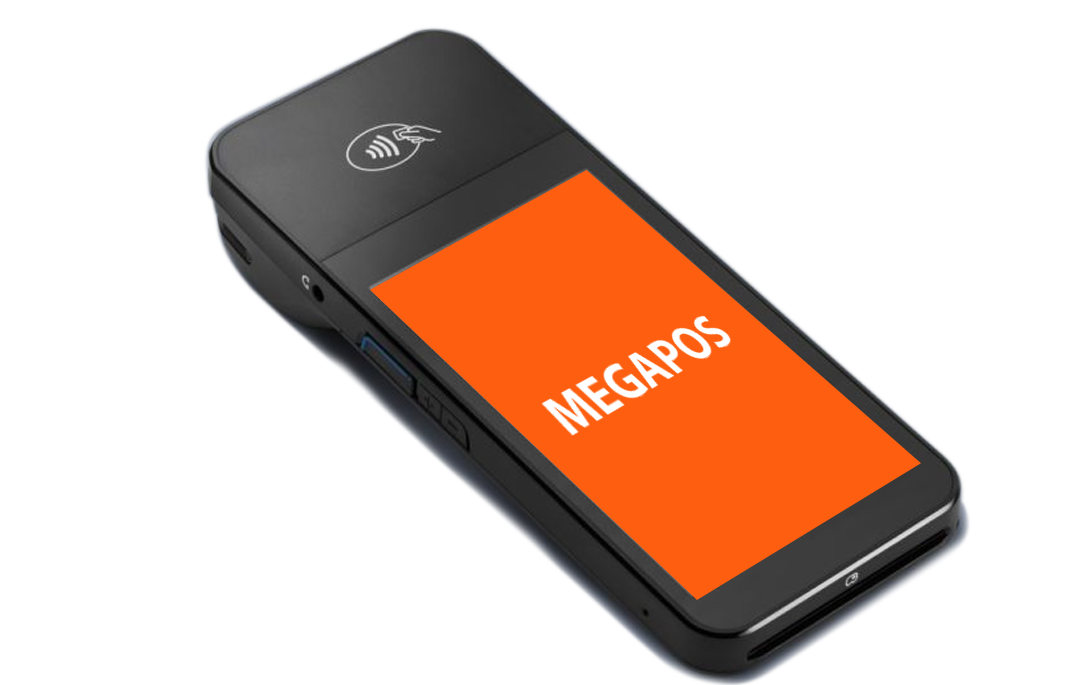
即使网络中断也不会影响运营,MEGAPOS 餐厅 POS 具备切换至离线模式并继续运行的能力。

多门店管理

您的餐厅 POS 系统配有后台,可让您随时随地轻松访问和管理多家门店的仪表盘、报表及后台设置。


自助点餐系统

与 MEGAPOS 饮食收银系统无缝集成

MEGAPOS Self Ordering Kiosk Restaurants

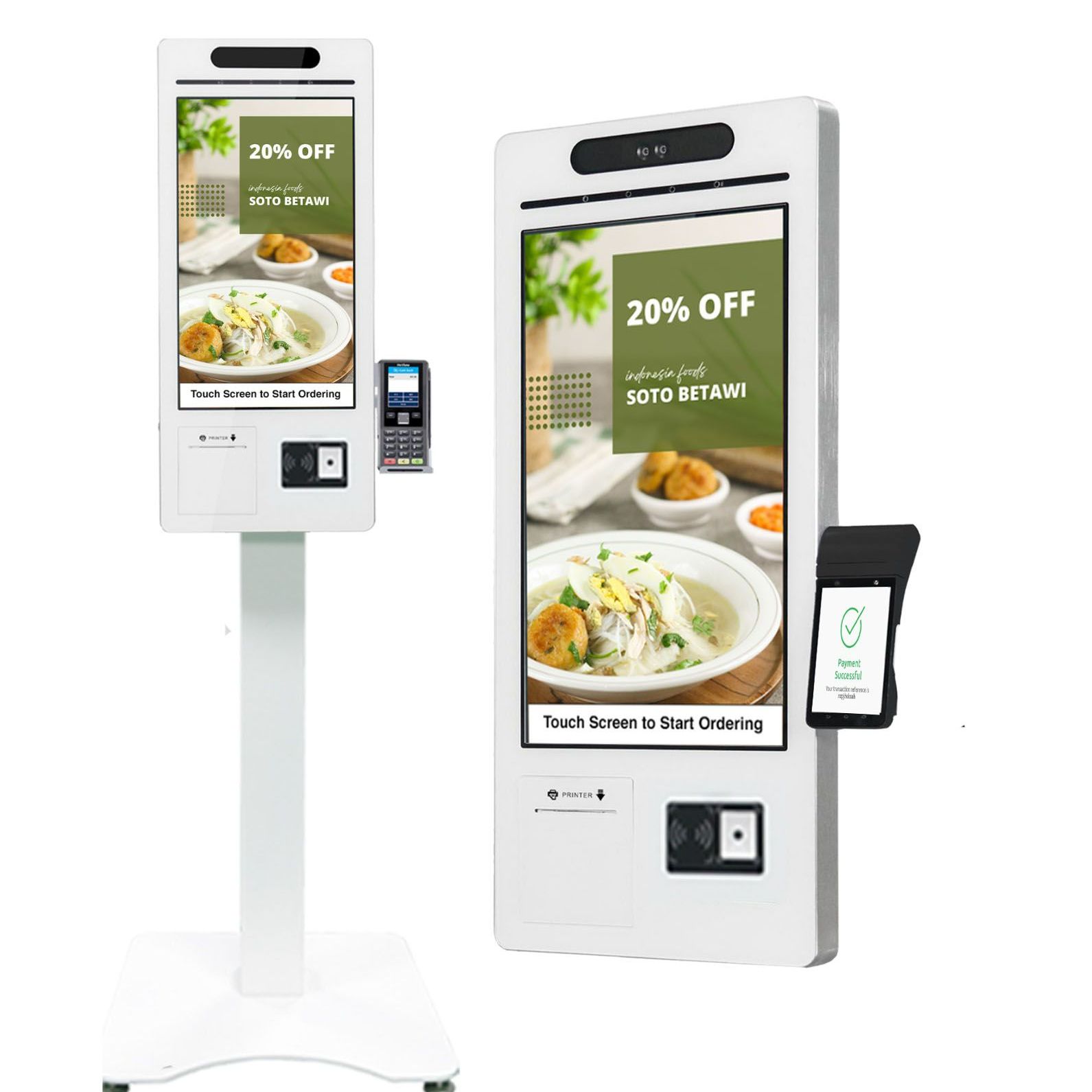
自助点餐机

减少对人工点单的依赖,鼓励顾客自行点单。

了解更多
MEGAPOS QR Ordering Restaurant

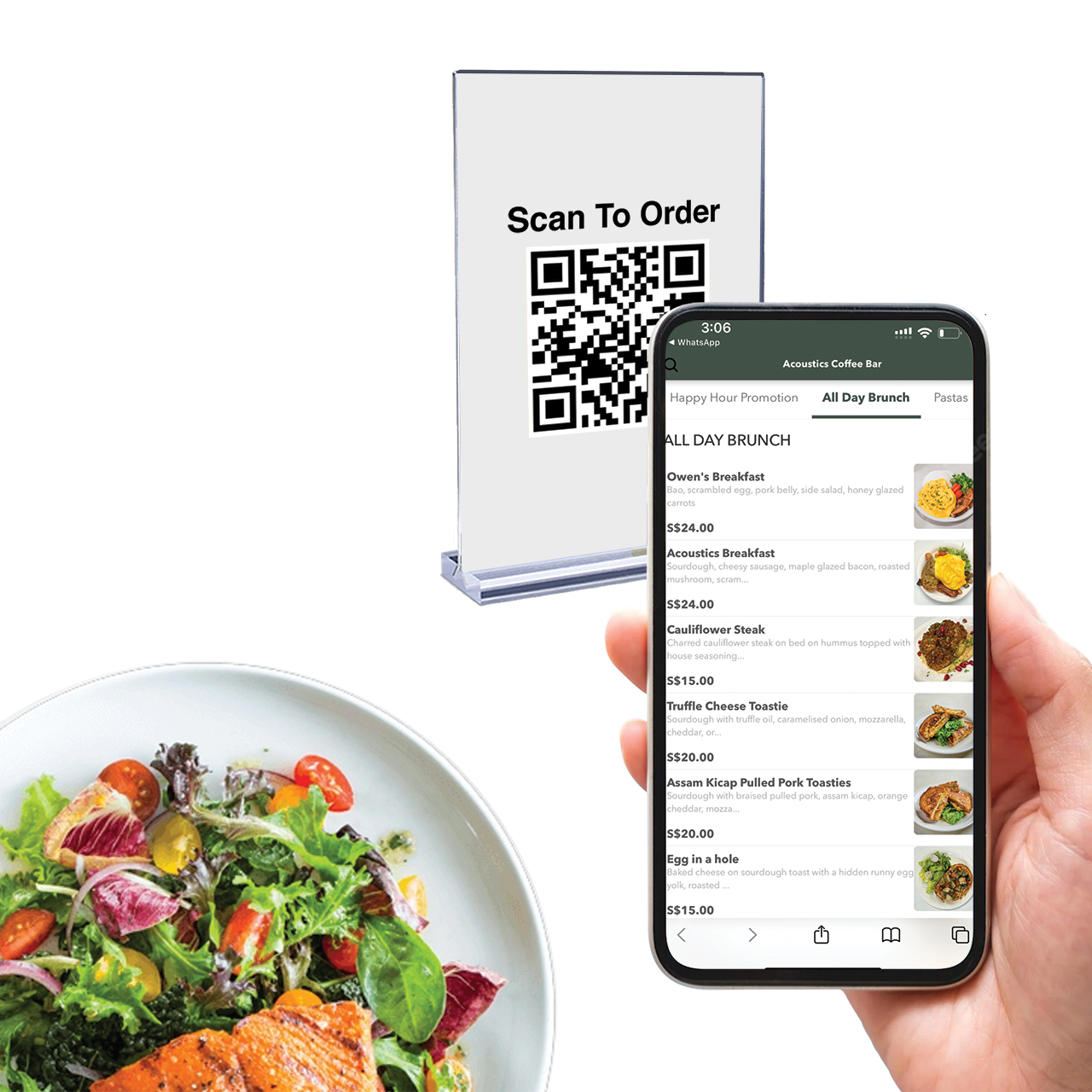
二维码点餐

让餐厅顾客通过扫描二维码即可下单。

了解更多
MEGAPOS Hybrid Restaurant

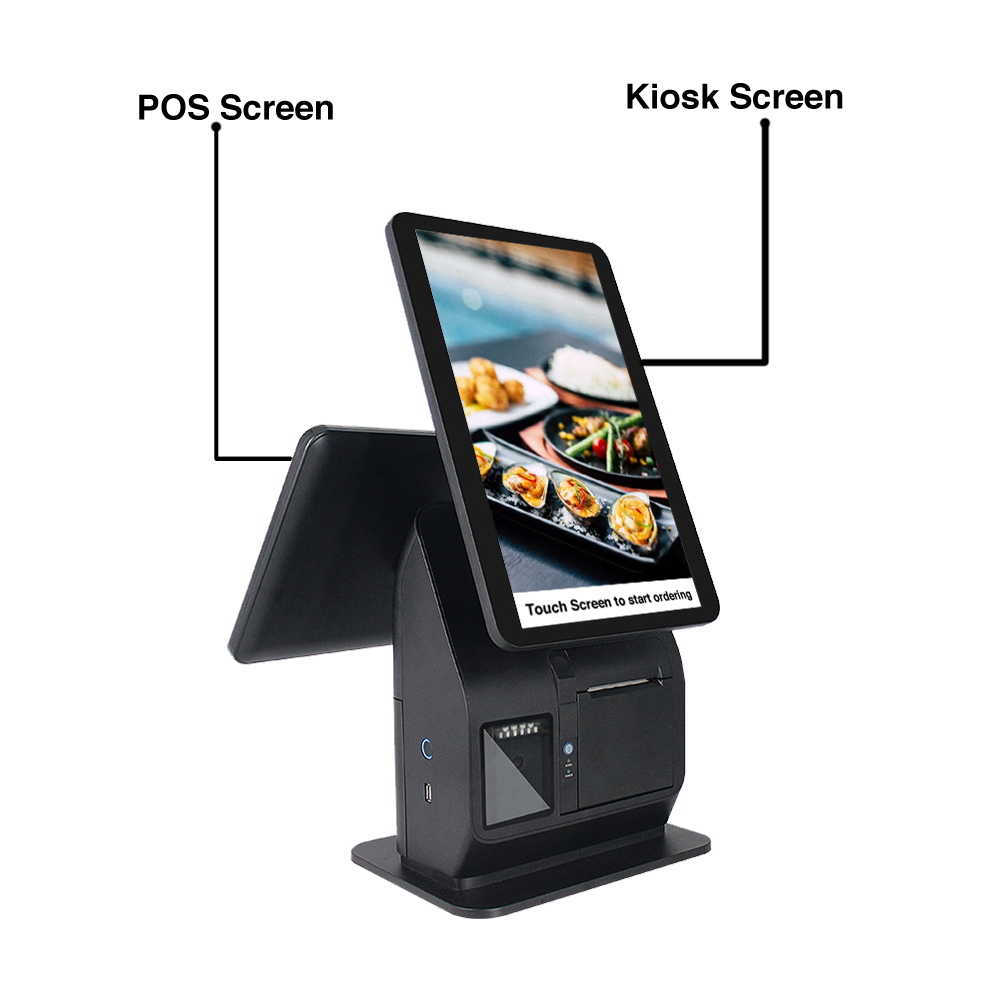
自助点餐与收银

二合一系统

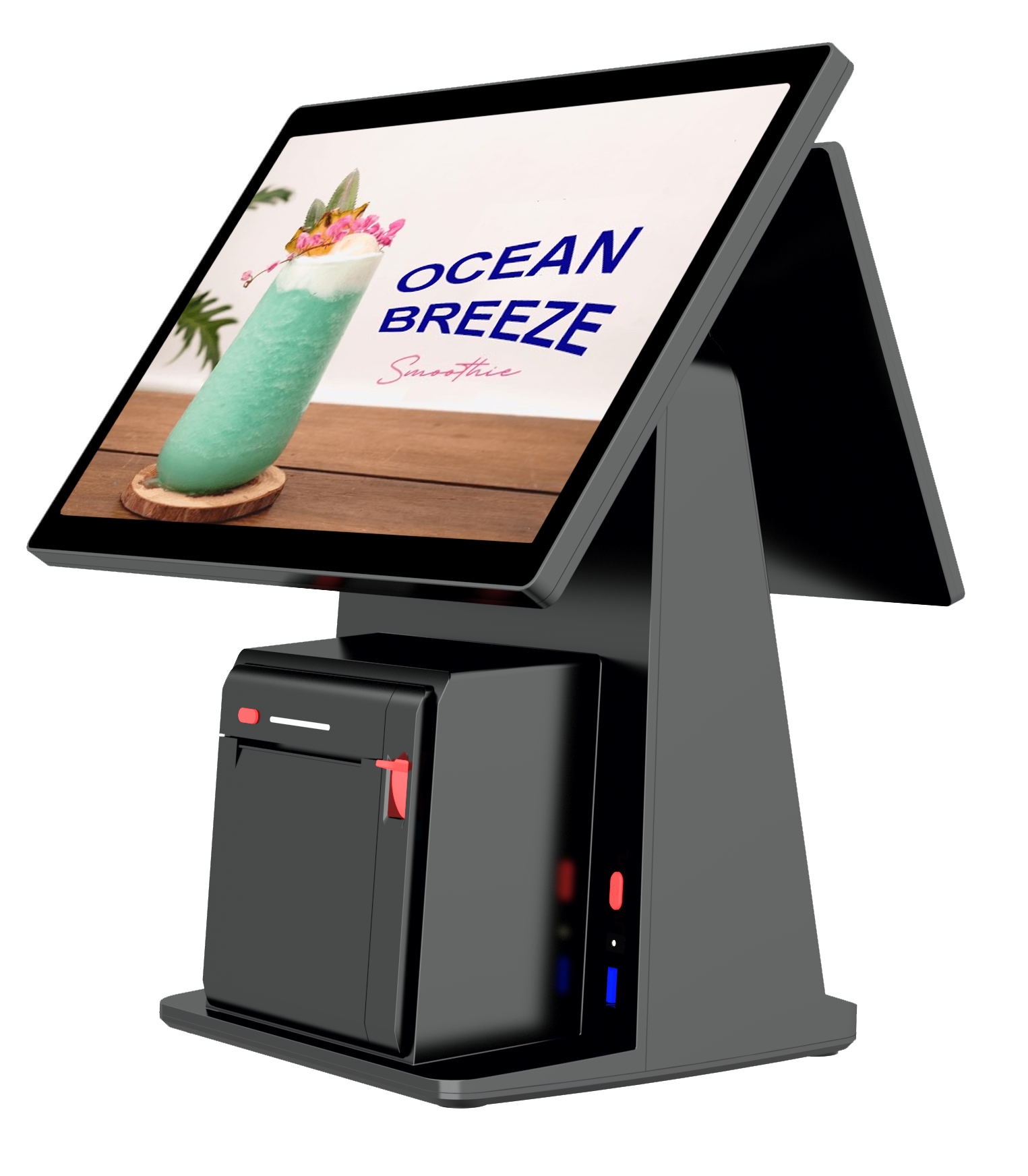
将收银系统与自助点餐机结合于一体的时尚双屏解决方案。

了解更多

想了解 MEGAPOS 餐饮 收银系统吗?

联系我们

增长会员数量,提升回头率与消费额

通过MEGAPOS 收银和会员管理系统提高您的顾客忠诚度

MEGAPOS Self Ordering Kiosk Restaurants

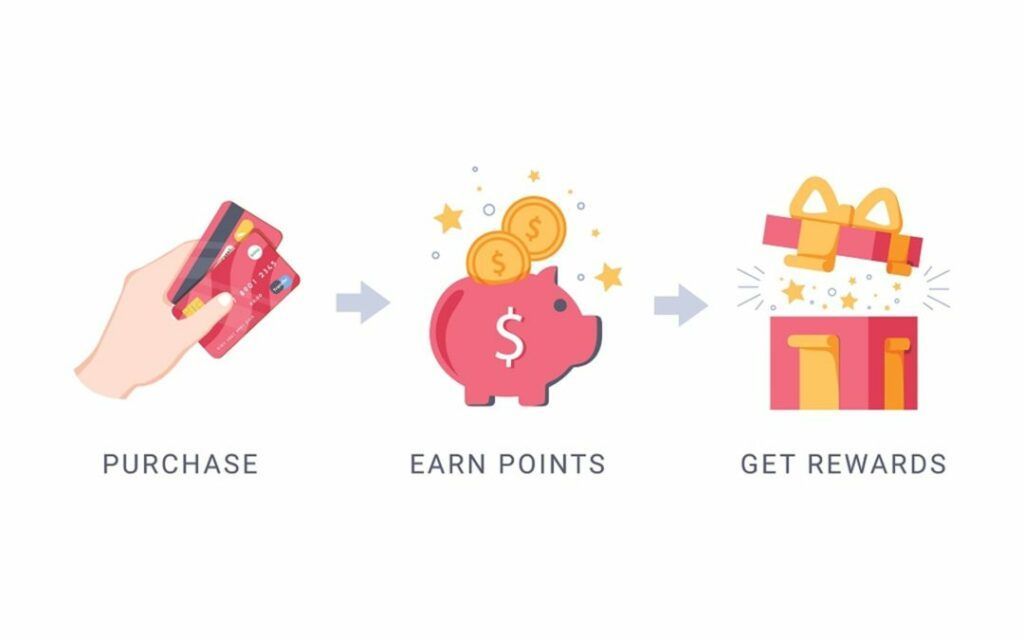
会员积分与返现

让会员每次消费都能获得积分或奖励,从而激励他们再次光顾。

MEGAPOS QR Ordering Restaurant

电子优惠券

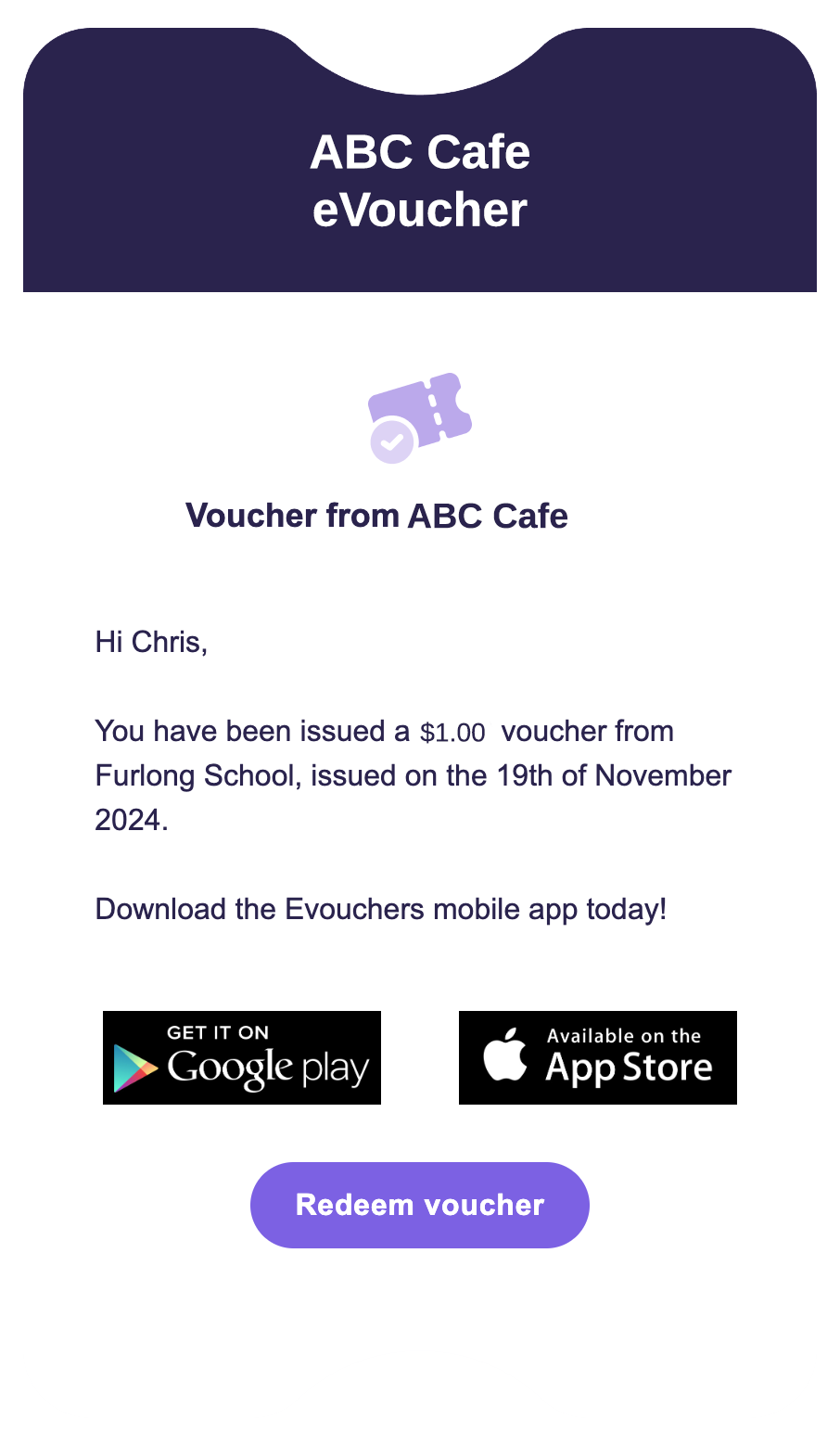
通过电子优惠券让会员保持活跃或鼓励到店,同时通过有针对性、周期性及限量发放来控制折扣成本。

MEGAPOS Hybrid Restaurant

余额充值

提升回头率的高效方式:让会员充值电子钱包,更有可能再次光顾并消费。

  • 增强的客户洞察

    收集并分析详细的客户数据,了解其偏好和行为,从而实现个性化优惠和精准营销。

  • 精简运营与会员活动管理

    将餐饮POS与CRM系统同步,可减少人工录入,降低错误率,并提升整体运营效率。

  • 提升销售额与客户忠诚度

    CRM 数据可用于制定精准促销和会员计划,激励顾客重复光顾并提升销售额。

  • 无纸化 & 简化的会员管理

    通过餐厅 POS 系统自动跟踪和管理积分、奖励及兑换,让顾客和员工都能轻松操作。

  • 数据集中管理

    维护统一的客户和交易数据库,简化报表生成和数据分析。

  • 提升现金流

    允许顾客进行余额充值、预购套餐或电子优惠券,并可在餐厅 POS 系统中顺利兑换。这不仅保证顾客回流,还能提升餐厅的现金流。

MEGAPOS 无现金支付

几乎 0% PayNow 交易费率

准确且安全的支付

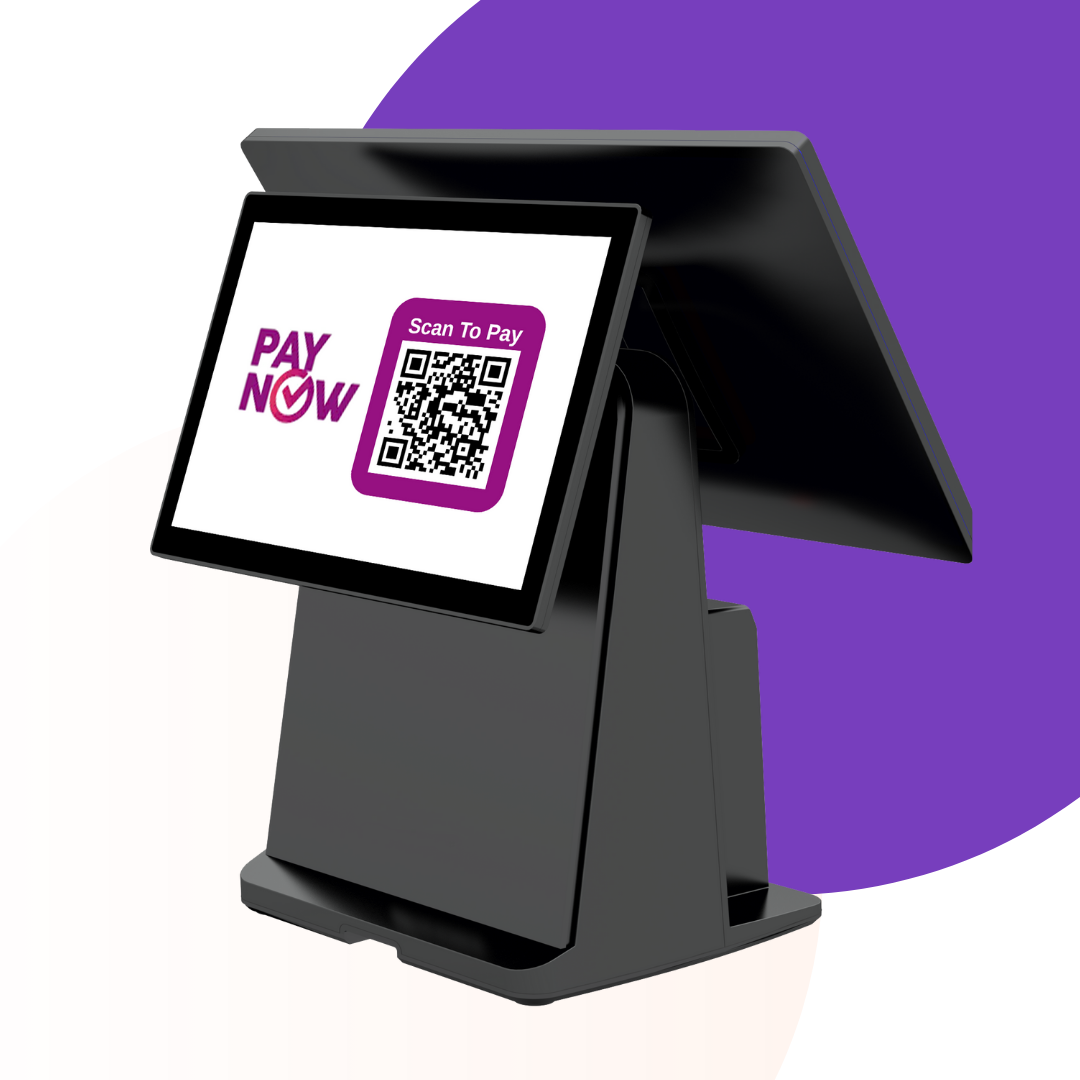
扫描 PayNow 二维码即可立即支付,无需手动输入。

节省大量交易费用

每笔 PayNow 交易都能节省更多费用,想想一年下来能节省多少交易费吧!

无需额外设备

可在 POS 终端、QR 点餐或自助点餐机上显示 PayNow 二维码。

与所有 MEGAPOS 解决方案链接

无需向多个支付供应商申请

低费率享受无现金支付

支持多种支付方式

餐饮客户对我们 收银系统及解决方案的评价

Swee Choon Tim Sum

Our business have been with MEGAPOS for 10 years now, in fact they pioneered the use of a POS system in our restaurant. Our business have grown leaps and bounds with them, and their constant advancement in technologies such as the recent introduction of QR code mobile ordering in our restaurant has helped us significantly. Will highly recommend MEGAPOS to any restaurant looking for a POS system!

Fulin Bar

"Very happy with the POS system. We had Bryan to assist with all the set up from the beginning. Very helpful guy. MEGAPOS is one of the best and very easy to use POS system for F&B operations. I would reccomend this POS system to anyone starting an F&B business."

正在寻找饮食业收银系统和饮食业解决方案吗?

联系我们

MEGAPOS 地址:

160 Robinson Road 

SBF Center #26-02

Singapore 068914


电话:

(+65) 6224 5788

Contact Us

餐饮业博客

餐饮 POS 系统、自助点餐解决方案及 CRM 技术动态,餐饮经营技巧与客户成功案例分享

By Liang Wei Liaw March 6, 2026
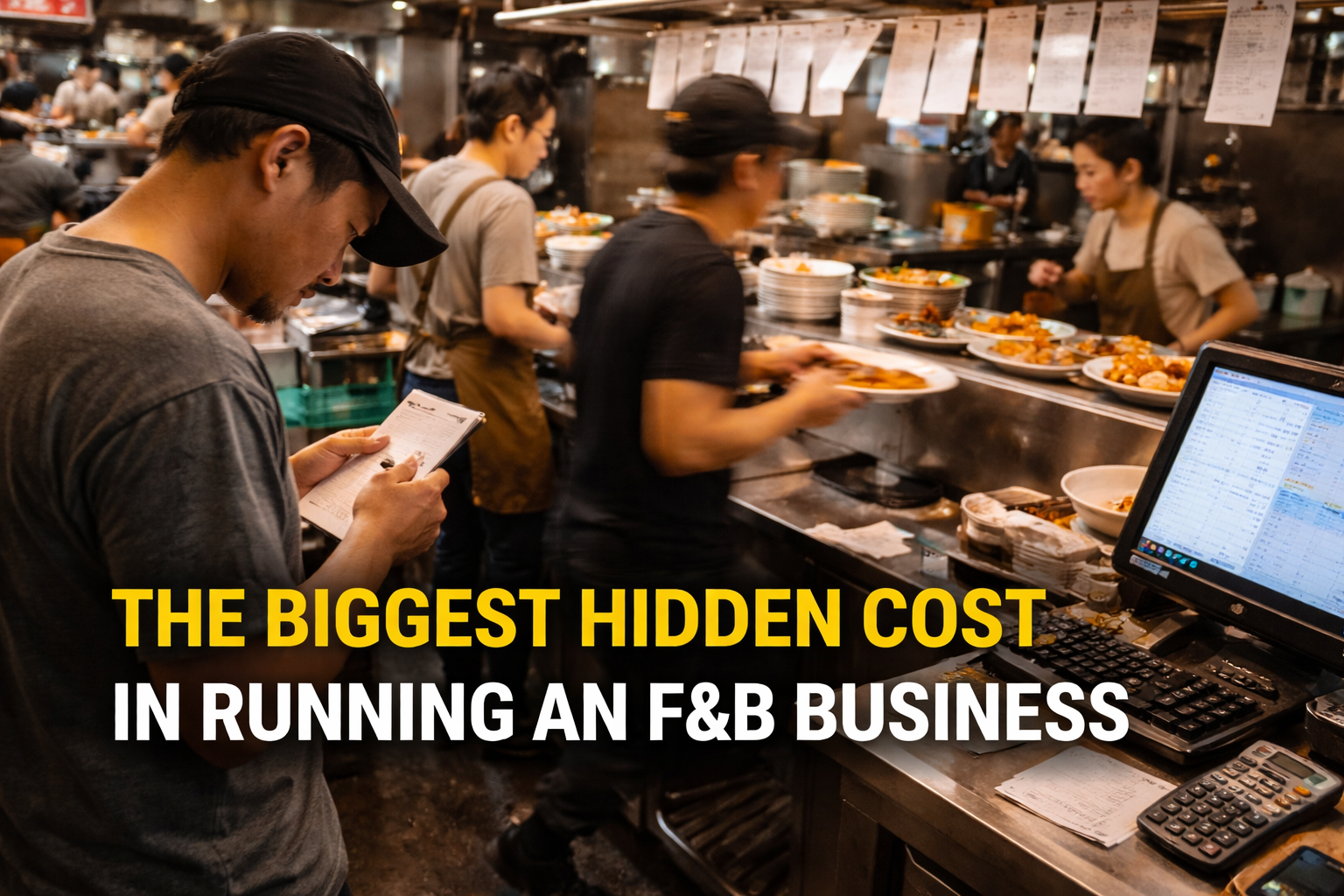
When most people talk about the cost of running an F&B business in Singapore, two things usually come to mind: rent and manpower . These are certainly major expenses. Rental in prime locations continues to rise, and hiring staff has become increasingly difficult due to labour shortages, levies, and increasing salary expectations. However, there is another cost that many F&B owners overlook and it quietly eats into profits every single day. That cost is operational inefficiency . Unlike rent or salaries, inefficiencies are harder to notice. They appear in small daily problems that seem insignificant on their own but add up over time. Understanding where these inefficiencies occur can help F&B businesses protect their margins and operate more sustainably in Singapore’s competitive market. Time Lost During Peak Hours In many outlets, the busiest periods are also when operations become the most chaotic. Staff are rushing between customers, orders are written down manually, and the kitchen may struggle to keep up with incoming requests. During these moments, even small delays can have a large impact. A slower ordering process can increase queues, frustrate customers, and reduce the number of orders that can be handled during peak hours. When customers see a long queue or experience slow service, many will simply choose another nearby restaurant. For businesses located in malls or food courts where alternatives are only a few steps away, speed and convenience often determine where customers decide to dine. Human Errors That Affect Profit Manual processes often lead to mistakes that can quietly reduce revenue. Orders may be recorded incorrectly, items may be forgotten, or billing errors may occur during busy periods. In some cases, staff may even forget to charge for certain add-ons or extras. Individually, these mistakes may seem minor. But over the course of weeks and months, they can represent a significant loss in revenue. Reducing these types of errors helps protect margins and ensures that businesses capture the full value of every order placed. The Challenge of Managing Data Many F&B operators rely mainly on daily sales totals to understand how their business is performing. While this information is useful, it only provides a surface-level view. More detailed insights can reveal valuable information, such as: which menu items generate the most profit which hours bring the highest revenue which promotions actually increase spending which customers return frequently Without access to these insights, it becomes difficult for owners to make informed decisions about pricing, promotions, or menu changes. Data-driven decision making is increasingly becoming an advantage for F&B businesses looking to stay competitive. Customer Retention Is Often Ignored Another hidden cost comes from constantly needing to attract new customers. Marketing campaigns, promotions, and discounts are often used to bring new diners through the door. However, acquiring new customers repeatedly can become expensive. Repeat customers, on the other hand, are far more valuable over time. A regular diner who visits every week contributes significantly more revenue than a one-time visitor. Businesses that find ways to keep customers engaged and returning tend to build a much more stable and predictable revenue stream. Adapting to Singapore’s Competitive F&B Market Singapore’s F&B landscape is one of the most competitive in the region. Consumers have many options, and expectations for convenience and speed continue to increase. Successful F&B businesses are not just focusing on food quality. They are also looking closely at how efficiently their operations run and how they can improve the overall customer experience. Small improvements in operational efficiency, service speed, and customer engagement can make a meaningful difference to profitability over time. Final Thoughts Running an F&B business in Singapore will always involve significant costs. Rent, manpower, and ingredient prices are unlikely to decrease anytime soon. However, by identifying and addressing operational inefficiencies, F&B owners can reduce unnecessary losses and improve the sustainability of their business. In an industry where margins are tight, even small improvements in efficiency can have a significant impact on long-term success. For many businesses, the key is not simply increasing sales but ensuring that every order, every customer, and every hour of operation is managed as efficiently as possible. If you are interested in F&B solutions that can boost your operation efficiency, like POS, self ordering kiosks, QR ordering and membership solutions, click here to get in touch with us and learn more!
By Liang Wei Liaw March 5, 2026
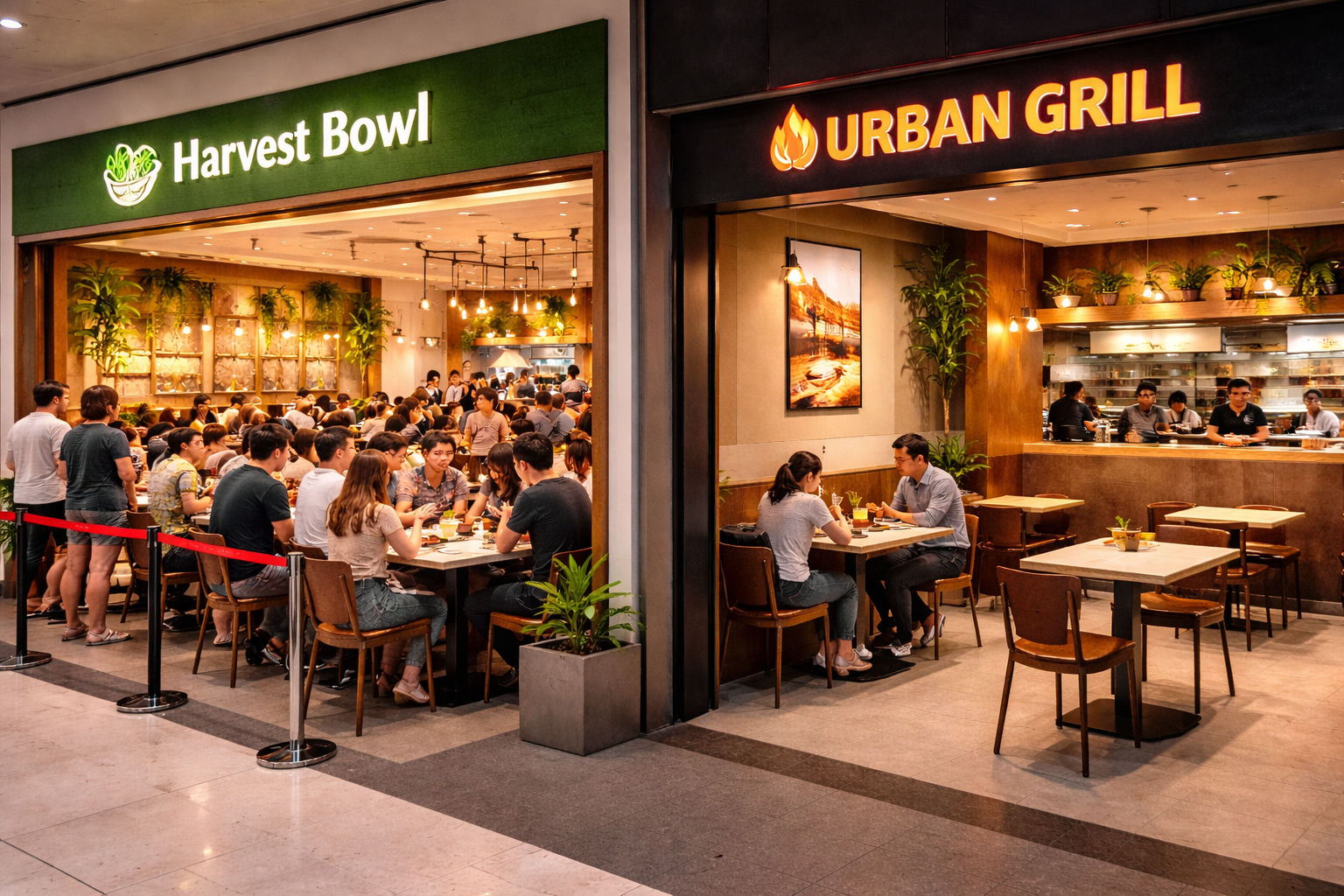
In Singapore’s competitive F&B industry, it’s common to see two restaurants located just a few streets apart with completely different outcomes. One is constantly busy with customers waiting for tables, while the other struggles to attract diners even during peak hours. For many F&B owners, this difference can feel confusing. The food quality may be similar, prices may be comparable, and both businesses may have invested heavily in décor and branding. Yet one continues to thrive while the other struggles to maintain consistent sales. The reality is that successful F&B operations often rely on more than just good food and a good location. Behind the scenes, many of the busiest outlets are making strategic decisions about how they manage operations, customer engagement, and data. Understanding these differences can help F&B operators build a more sustainable and profitable business. Consistency Matters More Than Occasional Success Many restaurants experience occasional busy days, especially during weekends or after a successful marketing campaign. However, the most successful outlets focus on maintaining consistent daily sales rather than relying on unpredictable spikes in traffic. Consistency often comes from operational efficiency. Restaurants that serve customers quickly, manage orders accurately, and minimise mistakes create better dining experiences. When service is smooth and food is good, customers are more likely to return. Operational consistency also helps staff work more effectively. When processes are streamlined and systems are easy to use, teams can focus on delivering good service rather than managing chaos during peak periods. Customer Retention Is Often Overlooked One of the biggest mistakes many F&B businesses make is focusing almost entirely on attracting new customers while neglecting their existing ones. In reality, repeat customers are often the backbone of a successful restaurant. A loyal customer who visits regularly can contribute significantly more revenue over time than a first-time diner. Businesses that perform well tend to have ways of keeping their brand in the customer’s mind. This can include loyalty programmes, membership systems, promotions, or simply maintaining a database of customers they can engage with in the future. Without these strategies, every day becomes a new effort to attract strangers instead of building long-term relationships with customers who already enjoy the food. Branding Plays a Bigger Role Than Many Owners Realise Branding is another factor that often separates busy restaurants from struggling ones. Branding is not just about having a nice logo or interior design it is about how customers remember and talk about your business. Successful F&B outlets usually have a clear identity that customers can easily recognize, whether it is a unique dining concept, a memorable signature dish, or a strong theme that makes the experience stand out. In today’s social media driven environment, branding also influences how shareable your restaurant is. When customers find a place that feels distinctive or memorable, they are more likely to recommend it to friends or post about it online. Over time, this word-of-mouth and online exposure can become one of the most powerful drivers of sustained traffic for an F&B business. Speed of Service Can Make or Break Peak Hours Another factor that separates busy restaurants from struggling ones is the ability to handle peak-hour demand efficiently. When customers experience long queues, slow order taking, or confusion at the counter, frustration builds quickly. Even if the food is good, many customers will not return if the process feels inconvenient. Restaurants that manage peak hours well often rely on structured workflows and tools that reduce bottlenecks. Faster ordering processes, clear communication between front-of-house and kitchen teams, and efficient payment systems can significantly improve service speed. In a fast-paced market like Singapore, where diners have countless options nearby, convenience plays a major role in where customers choose to eat. Data Helps Owners Make Better Decisions Many small F&B operators rely mainly on intuition when making decisions about pricing, menu items, or promotions. While experience is valuable, data can provide insights that are difficult to see otherwise. For example, understanding which menu items generate the most revenue, which hours are most profitable, and how often customers return can help owners make smarter adjustments. Some restaurants discover that their best-selling dish is actually not their most profitable one. Others realise that a certain promotion drives traffic but reduces overall margins. Having access to reliable data allows businesses to optimise their menu, pricing, and operations with greater confidence. The Future of F&B Is Operational Efficiency With rising rental costs, manpower shortages, and increasing competition, running an F&B business in Singapore has become more challenging than ever. Successful operators are not just focusing on cooking great food. They are also looking at ways to improve efficiency, reduce unnecessary costs, and create better experiences for customers. This includes adopting smarter operational practices, understanding customer behaviour, and using systems that help them manage their business more effectively. While these changes may seem small individually, together they can make a significant difference in the long-term sustainability of an F&B outlet. Final Thoughts The difference between a busy restaurant and an empty one is rarely just about the food. More often, it comes down to how well the business manages its operations, understands its customers, and adapts to the evolving F&B landscape. For restaurant owners, gaining insight into these factors can be the first step toward building a stronger and more resilient business. In an industry where margins are tight and competition is fierce, small improvements in efficiency, customer engagement, and decision-making can have a major impact on long-term success. If you are looking for F&B solutions that can boost customer retention, branding, online presence and help you to streamline operations with a centralised POS system, click here to find out more

By Liang Wei Liaw February 27, 2026
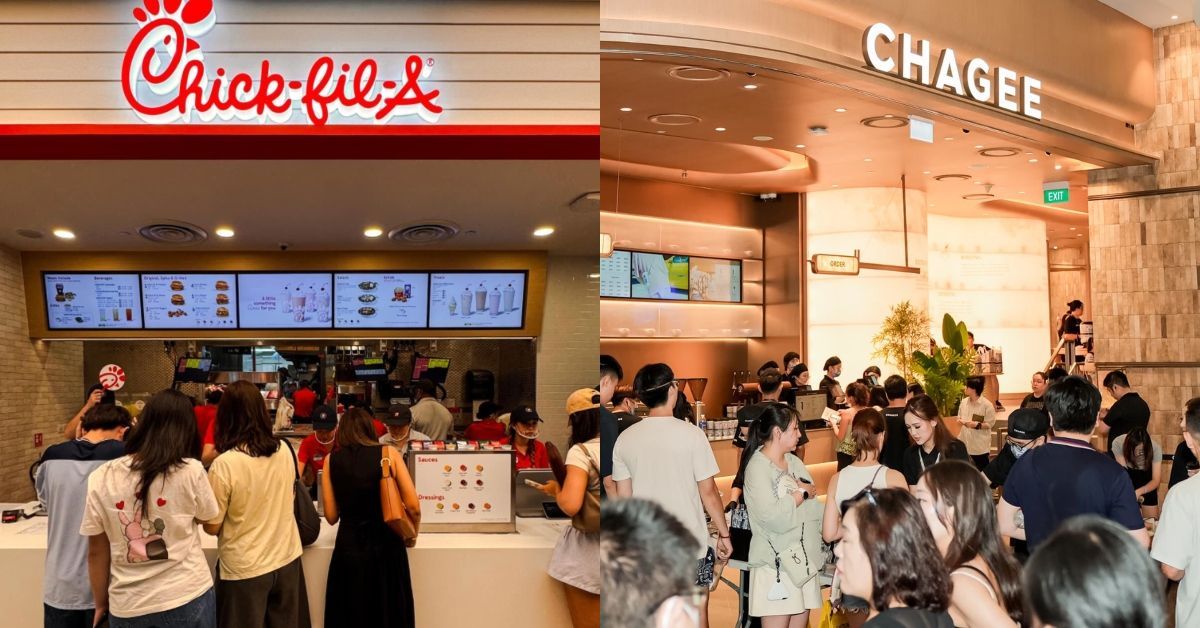
In Singapore’s F&B scene, opening hype is almost guaranteed. A new café launches and the queue stretches outside the shop. A freshly opened concept trends on TikTok. Reservation slots are fully booked for weeks. The first month’s revenue looks incredible. Then, somewhere between the third and sixth month, reality sets in. The crowd thins. Walk-ins slow down. Weekday sales drop. Promotions become more frequent. The same outlet that once struggled to handle demand is now trying to bring customers back. So what happened? The food didn’t suddenly become bad. The location didn’t change. The concept is still the same. The real reason is this: hype brings traffic — but it does not build a sustainable business. The Opening Hype Effect in Singapore Singapore is one of the most trend-driven F&B markets in the region. With social media, food review platforms, and a highly connected population, new concepts can gain attention very quickly. During the opening phase, customers visit because: It is new It is popular online They want to try it before others There are opening promotions But this type of traffic is driven by curiosity, not loyalty. Once the novelty wears off, customers move on to the next new place. If there is no system to bring them back, the initial momentum disappears. The Real Problem: No Retention Strategy Many F&B businesses focus heavily on launch marketing but have no long-term customer retention plan. This means: No customer database No way to re-engage first-time diners No visibility of who their returning customers are No structured loyalty programme Every day becomes a search for new customers again. In a high-cost environment like Singapore — where rental, manpower, and ingredient costs keep rising — this model is extremely difficult to sustain. Why Good Food Alone Is Not Enough This is a difficult truth for many operators. Good food brings customers once. A good system brings them back. Today’s diners have too many options. Even if they enjoy your food, there is no guarantee they will return unless: You stay in their mind You give them a reason You make it convenient Successful F&B brands do not rely on memory, they rely on data and structured engagement. What Successful F&B Brands Do Differently Brands that maintain strong sales after the hype period focus on three key areas. First, they capture customer data from Day 1. Whether through QR ordering, WiFi sign-ins, online orders, or membership programmes, they make sure that every first-time customer does not remain anonymous. Second, they build repeat visit mechanics. This includes points systems, cashback, bounce-back vouchers, birthday rewards, and targeted promotions. Third, they track performance beyond daily revenue. Instead of only looking at how much they sold, they monitor how many customers returned, what their best repeat items are, and which promotions actually work. This allows them to turn a one-time viral moment into long-term, predictable revenue. The Cost of Constantly Chasing New Customers Many outlets try to replace lost traffic with more marketing and more discounts. But acquiring a new customer is always more expensive than retaining an existing one. Over time, this leads to: Lower profit margins Discount-dependent customers Unstable revenue The business becomes busy but not profitable. From Hype to Sustainable Growth Opening hype is not a bad thing. In fact, it is a powerful advantage. The real question is whether the business is prepared to convert that hype into a long-term customer base. The most successful F&B operators in Singapore treat their opening period as a data collection phase. Instead of just focusing on daily sales, they focus on how many future returning customers they are creating. Because when the hype fades, the database remains. And that database becomes the foundation for: repeat visits targeted promotions stable monthly revenue The New F&B Reality in Singapore With rising costs and tighter competition, sustainability is no longer about having the longest queue during opening month. It is about: consistent weekday sales predictable customer return rate strong average spending per customer This is what separates outlets that close within a year from those that expand into multiple locations. Conclusion: Hype Is a Launchpad. Not a Business Model Opening hype gives you attention. Retention systems give you survival. The F&B brands that continue to grow are not the ones that rely on being the newest. They are the ones that build long-term relationships with every customer who walks through their door. Because in today’s market, the real success metric is no longer: “How busy were we during opening?” It is: “How many of those customers came back?” If you are looking for F&B solutions such as POS systems, QR ordering, self ordering kiosks, and membership solutions, click here to find out more!
By Liang Wei Liaw February 24, 2026
The F&B industry in Singapore is evolving rapidly. With rising manpower costs, increasing rental, tighter margins, and digitally driven customer behaviour, restaurants can no longer rely on traditional systems to stay competitive. This is why more businesses are upgrading to a modern F&B POS system in Singapore with an integrated CRM a solution that not only manages operations but also drives repeat sales and long-term customer loyalty. For restaurants, cafés, quick-service outlets, and even hawker stalls, adopting the right restaurant POS system in Singapore is no longer optional. It is a key factor in improving efficiency, reducing operational costs, and increasing profitability. What Is an F&B POS System and Why It Matters in Singapore An F&B POS system is the central platform that powers daily restaurant operations. It handles order taking, billing, payment processing, menu control, inventory tracking, and sales reporting in real time. In Singapore’s fast-paced dining environment, where peak hour performance directly affects revenue, a reliable cloud-based F&B POS Singapore solution ensures that orders are processed quickly, accurately, and without system lag. For multi-outlet restaurant groups, a centralised POS system allows business owners to: Monitor all outlets remotely Standardise menus and pricing Access real-time sales reports Control staff permissions This level of operational visibility is critical in a high-cost market like Singapore. Why a Traditional POS System Is No Longer Enough Many older POS systems function only as billing machines. While they can process transactions, they do not help restaurants grow. Without CRM integration, restaurants cannot: Capture customer data Track repeat visits Run targeted promotions Measure customer lifetime value This forces businesses to depend heavily on delivery platforms and paid advertising for new customers, which reduces profit margins. A modern F&B POS system in Singapore with CRM allows restaurants to shift their focus from constantly acquiring new customers to retaining existing ones — the most cost-effective growth strategy in today’s market. How CRM Turns Your F&B POS into a Customer Retention Engine When CRM is built into your restaurant POS system , every transaction becomes a data point that helps you understand your customers better. Customer profiles can be automatically created through: QR ordering Online ordering Self-ordering kiosks Membership sign-ups With this data, restaurants can run personalised marketing campaigns based on real spending behaviour. Instead of giving blanket discounts, businesses can reward loyal customers, reactivate inactive diners, and promote specific menu items to targeted customer groups. This increases repeat visits, improves average spending, and strengthens brand loyalty all without increasing marketing costs. Reducing Manpower Dependency with an Integrated F&B POS Manpower shortage is one of the biggest challenges for the Singapore F&B industry. A modern F&B POS Singapore solution integrates seamlessly with QR ordering, self-ordering kiosks, and kitchen display systems, reducing the need for manual order taking. This allows restaurants to operate with leaner teams while maintaining service speed and accuracy. At the same time, CRM automation eliminates the need for staff to manually track customer spending or send promotions. Marketing becomes system-driven instead of labour-intensive. Data-Driven Growth for Restaurants, Cafés and Hawkers One of the biggest advantages of a cloud-based F&B POS system in Singapore is access to real-time analytics. Restaurant owners can: Identify best-selling and low-margin items Track peak hour performance Measure promotion effectiveness Monitor customer return rates For cafés and quick-service restaurants, this helps optimise menu design and staffing. For hawker stalls and small counters, a compact POS system provides enterprise-level insights without taking up valuable space. For multi-outlet F&B brands, centralised reporting allows management to make faster expansion decisions based on actual outlet performance. Why Singapore Restaurants Need an F&B POS with CRM to Stay Competitive Singapore diners are among the most digitally connected in the world. They expect: Cashless payment options QR ordering convenience Instant rewards and loyalty points Personalised promotions A standalone POS system cannot deliver this experience. A fully integrated F&B POS Singapore solution with CRM enables restaurants to meet these expectations while maintaining control over their own customer database — instead of relying entirely on third-party delivery platforms. Future-Proofing Your F&B Business with the Right POS System The future of the Singapore F&B industry will be driven by: Automation Direct online ordering Customer retention strategies Data analytics Restaurants that continue using basic POS systems will struggle to compete with businesses that leverage technology for both operations and marketing. Investing in a modern F&B POS system in Singapore is not just about improving current operations — it is about building a scalable and sustainable business. Conclusion: The F&B POS Has Evolved from Billing Tool to Growth Engine A modern restaurant POS system in Singapore should do more than record sales. It should help generate them. By combining POS functionality with CRM capabilities, restaurants can: Reduce manpower reliance Increase repeat sales Run targeted promotions Make data-driven decisions Build long-term customer loyalty In today’s competitive market, the most successful F&B businesses are not the ones with the most customers but the ones that retain them. Frequently Asked Questions About F&B POS in Singapore What is the best F&B POS system in Singapore? The best F&B POS system in Singapore is one that supports cloud reporting, QR ordering, CRM integration, and multi-outlet management while remaining easy for staff to use during peak hours. How much does an F&B POS system cost in Singapore? F&B POS pricing in Singapore varies depending on hardware, software features, and integrations. Cloud-based systems typically offer lower upfront costs and better scalability for growing businesses. Can an F&B POS reduce manpower? Yes. By integrating QR ordering, self-ordering kiosks, and kitchen display systems, an F&B POS can significantly reduce the need for manual order taking and improve operational efficiency.  Why is CRM important for restaurants? CRM allows restaurants to capture customer data, run targeted promotions, and increase repeat visits, which improves long-term profitability. If you are interested in getting a POS system, QR ordering, Self Ordering Kiosk and membership solution for your F&B business click here to find out more!
Show more

常见问答 (FAQ)

  • 可以设置自动促销吗?

    可以。MEGAPOS 餐饮 收银系统系统允许您创建多种灵活的自动促销,当预设条件满足时,系统会自动将促销应用到账单上。

  • 可以将特定菜品打印到指定的厨房打印机吗?

    可以。您可以配置 MEGAPOS 餐饮 收银 系统,将订单明细分发到不同厨房区域的指定打印机。

  • 收银系统 系统自带 会员管理系统吗?

    有的。不仅可以将客户数据保存到 收银 系统中,还可以配置会员积分收集与兑换系统,甚至可以为不同会员等级设置不同的折扣。

    这有助于提升餐厅的客户留存率。

  • 收银系统保修范围是怎样的?

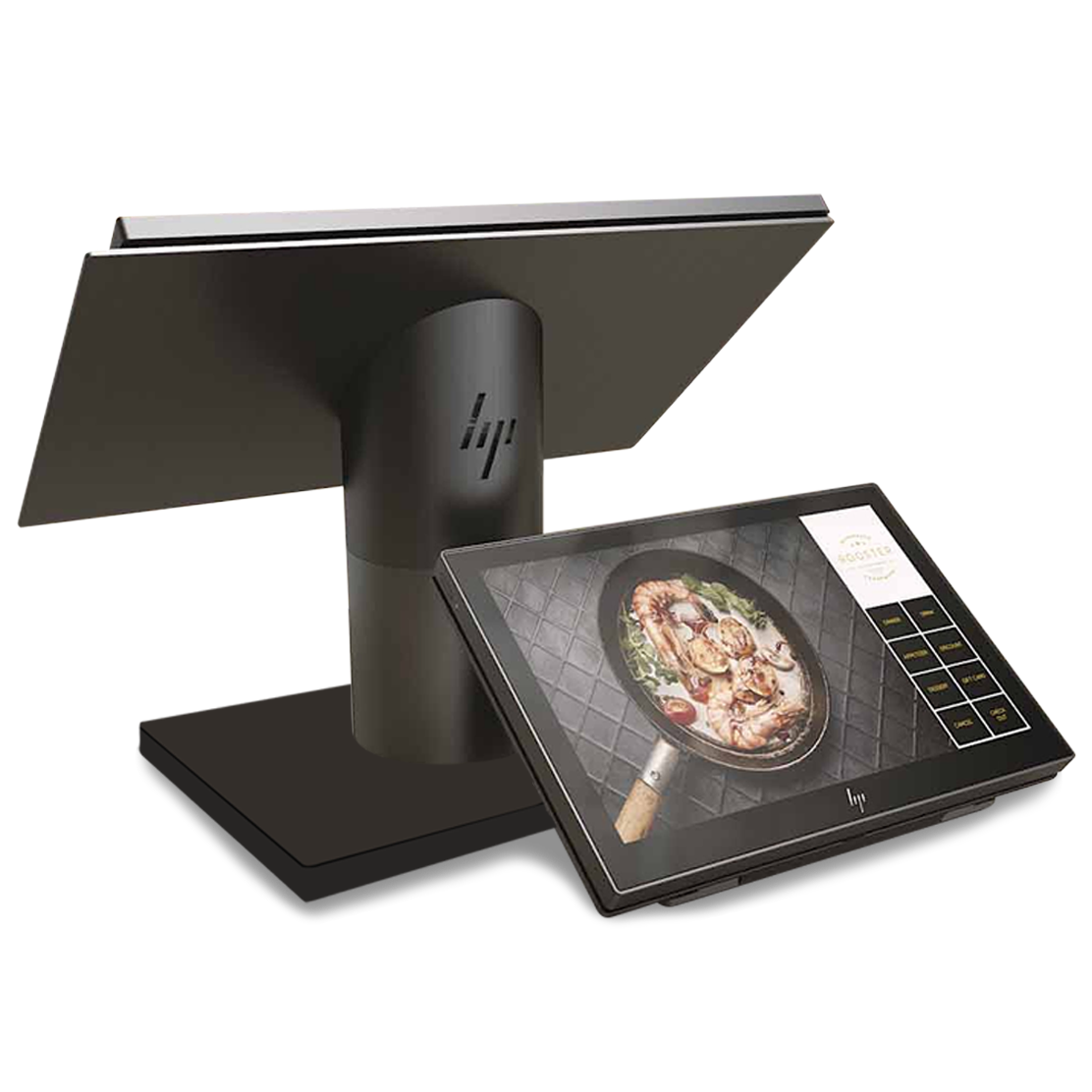
    我们提供 HP 收银系统 系统硬件的 3 年原厂直接保修服务。

    至于 MEGAPOS 餐饮 收银系统软件,第一年的技术支持已包含在内。

  • 如果硬件出现问题,如何申请 HP 保修?

    如果您的 HP POS 系统仍在 3 年原厂直接保修期内,MEGAPOS 将代为处理保修申请。

    在维修期间,我们还可以安排借用 收银系统以保障正常运营。

  • 遇到技术问题该怎么办?

    您可以致电我们的支持热线,MEGAPOS 技术团队将提供在线和电话支持。

    如果问题无法通过在线或电话解决,我们会安排技术人员到餐厅现场处理。